
The Story
Why it exists.
The beginning
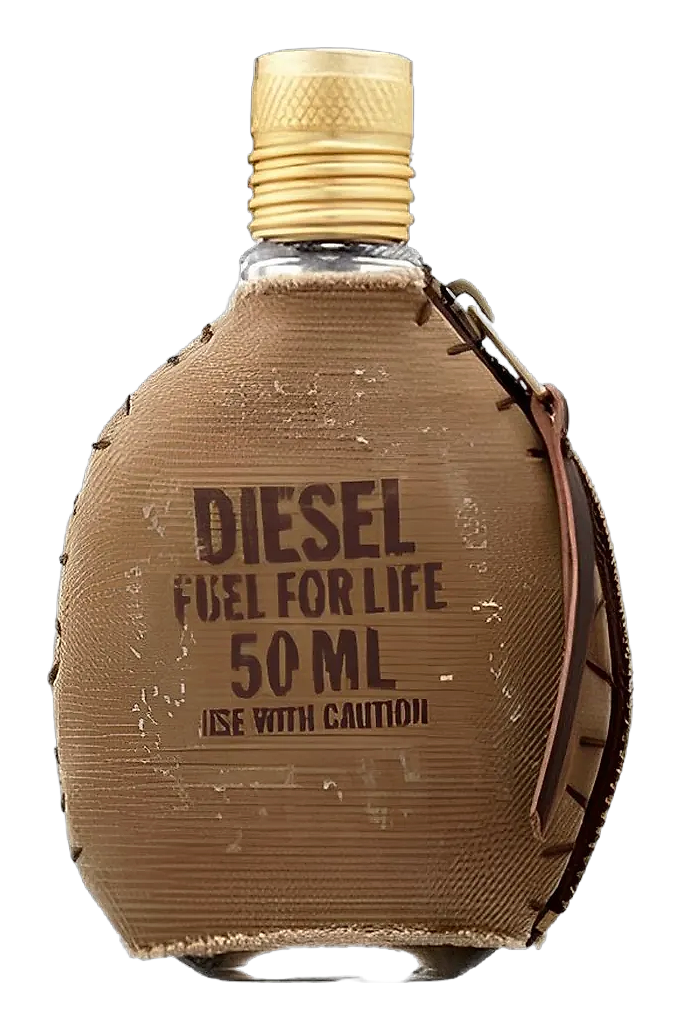
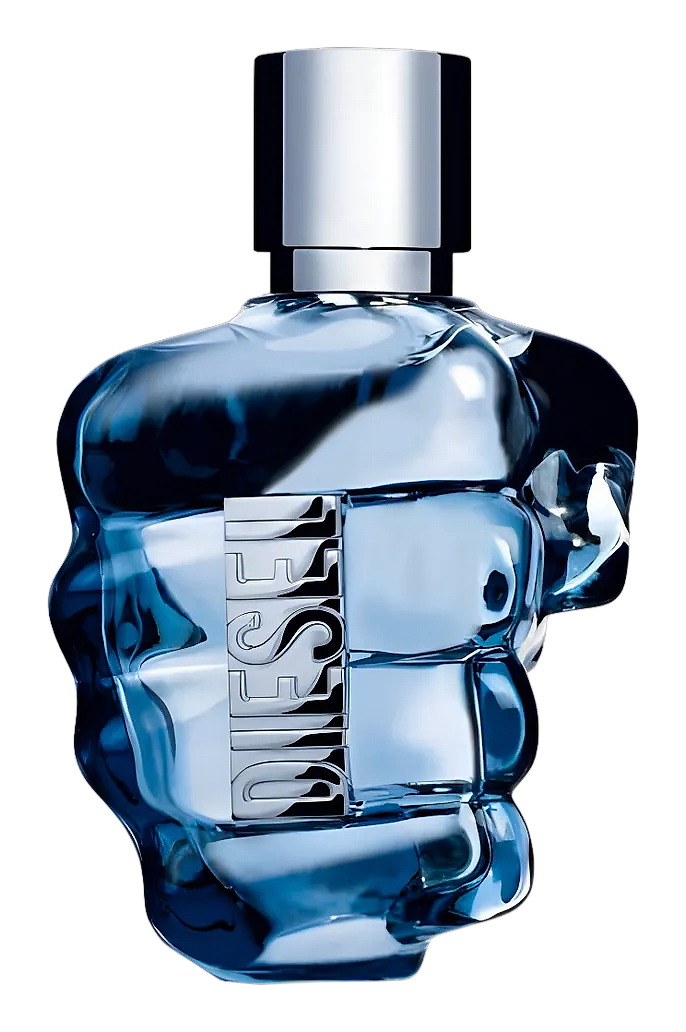
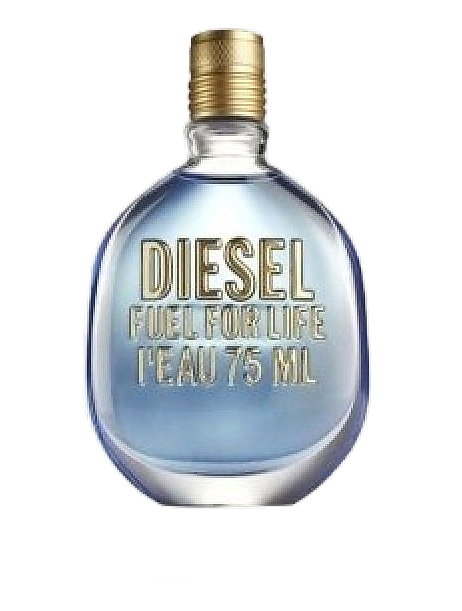
Fuel for Life arrived in 2007 as Diesel's answer to the question every fashion house asks when they enter fragrance: what does this brand smell like? For Diesel, founded in 1978 by Renzo Rosso, built on provocative visuals and a deliberate rejection of mainstream fashion, the answer wasn't subtle. The name itself is a declaration. Fuel. Not perfume. Not accessory. Fuel. The brand wanted a scent that moved like their denim: confident, slightly confrontational, impossible to ignore. Annick Menardo and Jacques Cavallier Belletrud built it around an unusual tension, fruity sweetness paired with anise and lavender, a combination that reads as masculine without retreating into tradition. It was designed to be worn, not discussed. To move through a room and leave something behind.
The heart of this composition is its strangeness. Raspberry and lavender shouldn't work together, fruitiness and herbs occupy different territories in perfumery. But Diesel pushed them into the same sentence, and the result is a scent that smells like nothing else from 2007. The star anise isn't decorative. It threads through the entire structure, starting in the opening and reappearing in the drydown as a quiet reminder of where things began. The heliotrope in the base adds a creaminess that softens the woody finish, giving the drydown a warmth that stays close to skin for hours. This is a fragrance built on contrast: sweet and dry, bright and warm, synthetic and natural all at once.
The evolution
The opening is an event. Grapefruit and star anise arrive together, the citrus sharp and immediate while the anise adds a quiet bitter edge. For the first thirty minutes, this is an assertive fragrance, the kind that announces itself before you've finished spraying. Then the raspberry shifts. It's not a jammy sweetness; it's dry, almost dusty, like fruit left in the sun. The lavender follows, softening the edges without killing the tension. By hour two, the composition settles into its middle act, fruity and warm, still present but no longer demanding. The woody base takes over around hour three, and this is where Fuel for Life earns its name. The drydown lasts for hours after the opening has faded, a skin-close warmth that doesn't project but doesn't need to. It's the kind of longevity that makes you check your wrist at midnight and catch a ghost of the morning's first spray.
Cultural impact
Fuel for Life sits in a specific corner of 2000s masculine perfumery: the aromatic fougère reimagined for a generation that wanted sweetness without softness. The combination of fruity-sweet opening and anise-driven structure positioned it apart from both the aquaticfresh trend and the spicier masculine releases of the era. It's the kind of fragrance that older wearers sometimes dismiss as too sweet or too synthetic, and that's exactly the point. Diesel built it for the person who treats convention as a suggestion.