
The Story
Why it exists.
The beginning
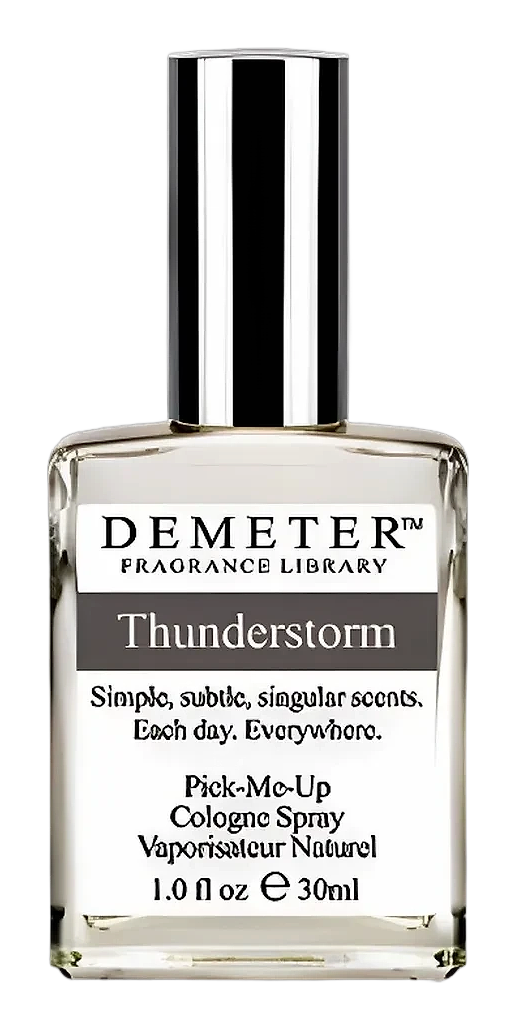
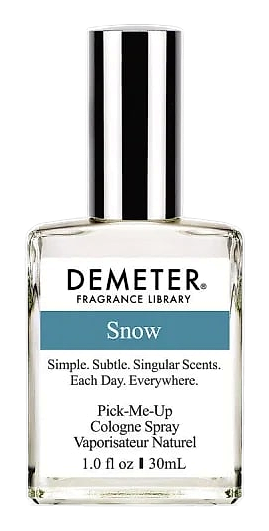
Snow is a fragrance built around something most people don't believe exists: the smell of snow itself. Not the romantic version of clean air and pine. The real version: frozen earth, mineral weight, the dusty scent of soil sitting beneath a white blanket for weeks. The scent captures snowstorms that last days, the quiet that follows, the smell of a world put on pause. This is exactly that moment, nothing added.
The notes are soil, dust, and something fresh. That sounds almost too simple until you realize: that's exactly what snow smells like when you bury your nose in it. Not clean. Not crisp. Real. The freshness here is the stillness of cold air pressing down on a quiet landscape. That quality drove the composition to find exactly that.
The evolution
On skin, Snow opens like stepping outside into a January morning, cold and sharp, with a mineral quality that hits before you register the temperature. The first ten minutes are all atmosphere: frozen air and a faint mineral note, like the smell of a windowsill in an unheated room. Then the earthiness arrives, not warm earth but frozen ground, a stillness that feels almost architectural. The scent stays close, intimate, refusing to announce itself. By the second hour, it settles into something quieter: a faint mineral-dust that clings to skin like the memory of a snowbank three days after the storm. The longevity is shorter than expected, but the comparison holds, real snow doesn't linger either.
Cultural impact
Snow won two FiFi Awards in 2000, one as best American fragrance. It asks a question most people have not thought to ask: what does snow actually smell like? The answer is mineral, earthy, and quiet. Snow is one of Demeter's purest expressions of this approach to scent.