The Story
Why it exists.
The beginning
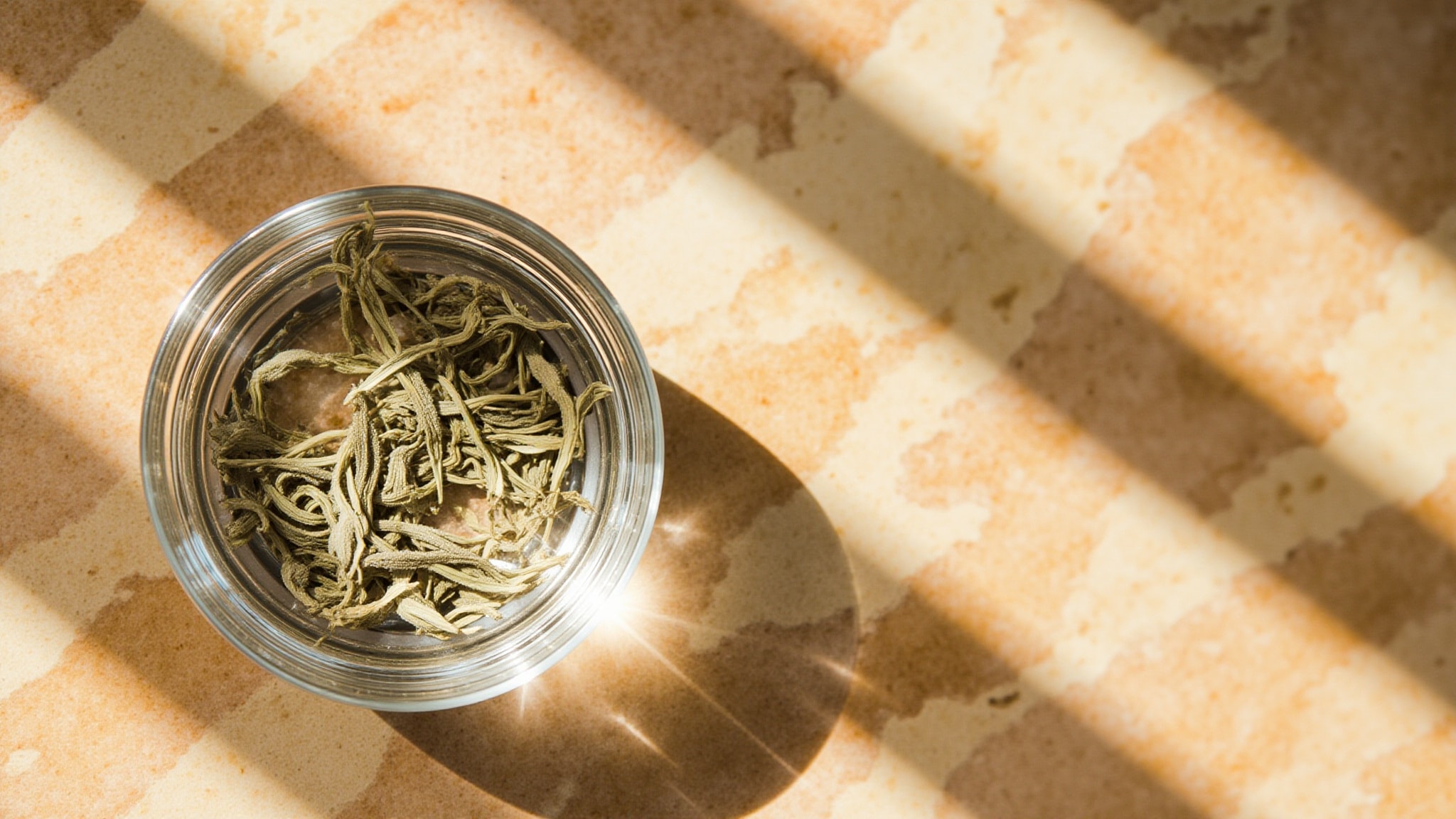
Baihao Yinzhen belongs to a small collection Demeter released around Chinese New Year, two teas, two approaches to the same ritual. Silvery Tip took the lighter path. This one went deeper. Woodier. The tea opens with a quiet elegance, its aroma unfurling slowly like steam rising from a cup left untouched. There's a depth here that invites a slower pace, a moment of stillness before the next sip. The scent carries an understated complexity, moving from bright and delicate into something more grounded, more contemplative.
What makes this work is the restraint. White tea isn't a loud ingredient, it reads green, slightly astringent, with a clarity that can disappear into heavier compositions. Demeter let it stay. The woody notes don't overpower; they support. Citrus keeps the top from going flat. The result is a fragrance that doesn't perform for you. It just is.
The evolution
The opening hits clean, citrus oils brightening the top, that immediate sense of something fresh and awake. Within minutes the white tea accord takes over, reading green and slightly herbal rather than milky or sweet. This middle phase holds for several hours, evolving from bright green into something deeper as the woody notes begin their slow climb to the surface. By the end the drydown settles close to skin, wood and something quiet, like a cup of tea gone cold and left on a wooden table. Moderate sillage throughout. You'll smell it. The room won't necessarily know you did.
Cultural impact
For those who want fragrance without performance, Baihao Yinzhen offers something honest. It sits in Demeter's collection as the deeper counterpart to Silvery Tip, a choice for someone who wants the tea, not the ceremony around it. The moderate sillage and restrained longevity suit daily wear rather than occasions that demand projection. What you get is what you smell.