The Story
Why it exists.
The beginning
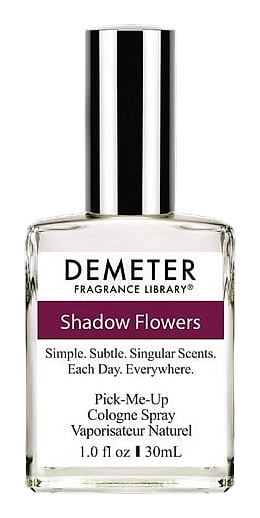
Shadow Flowers emerged from Demeter's curiosity about what flowers become after the sun goes down. The brand's library spans breakfast scents and pine forests, but this one asks a different question: what if the same jasmine and tuberose you'd find in a sunny garden developed a nocturnal side? The 2020 release explores that transition, the hour when white petals stop performing and start revealing.
Tuberose absolute and jasmine sambac share a chemical secret: both contain indolic molecules that read differently on skin depending on warmth and time of day. In bright conditions, they're creamy and heady. As skin temperature rises and light fades, that same material takes on something darker, earthier. Demeter didn't try to hide this duality, they built the fragrance around it.
The evolution
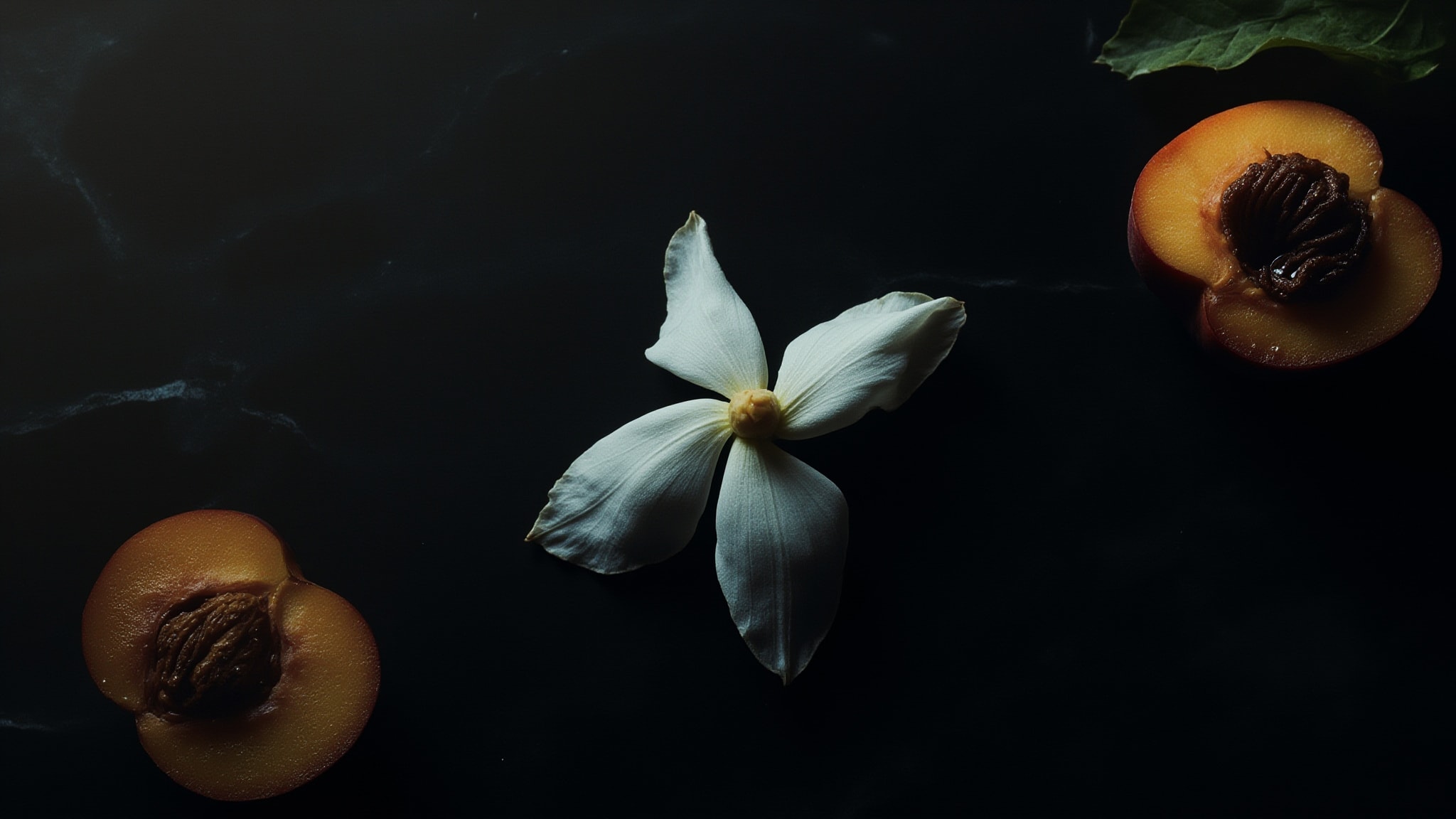
The first minutes smell like late afternoon, peach and orange blossom give you that warmth before the heat actually arrives. Then the florals deepen. Tuberose absolute and jasmine sambac arrive together, and the composition shifts from pretty to insistent. Not aggressive, but present. By the second hour, patchouli joins from below, adding an earthy counterweight that stops the florals from floating away entirely. The drydown is warm and close, amber and patchouli doing quiet work, lasting into evening on most skin types.
Cultural impact
Shadow Flowers occupies an interesting position in Demeter's lineup, more layered than the brand's typical single-note approach, but still grounded in a specific idea rather than abstract complexity. The fragrance appeals to wearers who want white florals with depth rather than decoration. Community reception notes comparisons to larger designer florals like Crystal Noir and Mambo, suggesting Shadow Flowers functions as an accessible entry point to that tuberose-and-jasmine territory.















