
The Story
Why it exists.
The beginning
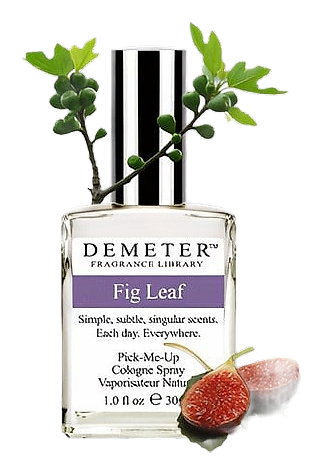
Fig Leaf arrived in 1996, part of a growing library of scents built around a single, recognizable idea. Rather than constructing elaborate compositions, the fragrance isolates one plant, one impression, nothing layered on top to dilute the message. The fig leaf is a natural fit for that approach. It carries a clear identity without needing translation. The intent is straightforward. Fresh, fruity, subtle, and true to its source. No performance claims. No complexity to decode. Just the green, slightly lactonic character of a fig leaf caught in warm light. A single leaf already contained a complete sensory story, and the fragrance simply lets that story speak for itself. What makes the note so effective in this format is its self-sufficiency. A fig leaf doesn't need supporting actors.
What's interesting about Fig Leaf is the lactonic undercurrent running beneath the green. Fig leaves naturally carry a faint milky quality, a softness that keeps the scent from reading as purely vegetal. That creaminess stays present throughout the wear, anchoring the greener top notes and giving the whole composition a rounded, almost edible quality. The result is a fragrance that sits in an unexpected place. It's green without being sharp. It's fruity without sweetness doing the heavy lifting.
The evolution
The opening is immediate and uncomplicated. Fig leaf, green and faintly cool, the way a leaf feels between your fingers before you realize it's warm from the sun. There's a juiciness to it, but the fruit itself stays at the edges. The leaf is the point. Twenty minutes in, that lactonic quality surfaces. The green softens. It reads less like foliage and more like the inside of a fig, that strange sweetness that lives somewhere between dairy and fruit. The accord becomes rounder, warmer, almost skin-like in how it settles. The transformation is subtle, more a matter of emphasis than a full shift in character. What was crisp and outward-facing turns inward, quieter and more personal. As the wear continues, the composition thins. The green retreats further, and the lactonic warmth becomes the dominant impression.
Cultural impact
Fig Leaf sits in an unusual category: fragrances built around a single, specific botanical impression rather than an abstract mood or a constructed personality. It doesn't try to project sophistication or mystery. It simply presents the smell of a fig leaf, and lets the wearer decide what that means. That directness is part of the appeal. A scent like this doesn't ask you to perform anything. It doesn't dress you up in a character or transport you to an imagined world. It offers one clear, recognizable thing, and that thing happens to be tied to a real, physical experience that most people have had at some point.