The Story
Why it exists.
The beginning
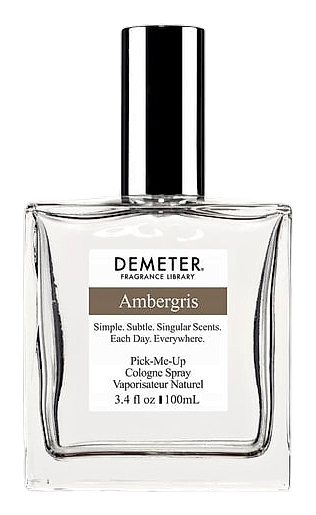
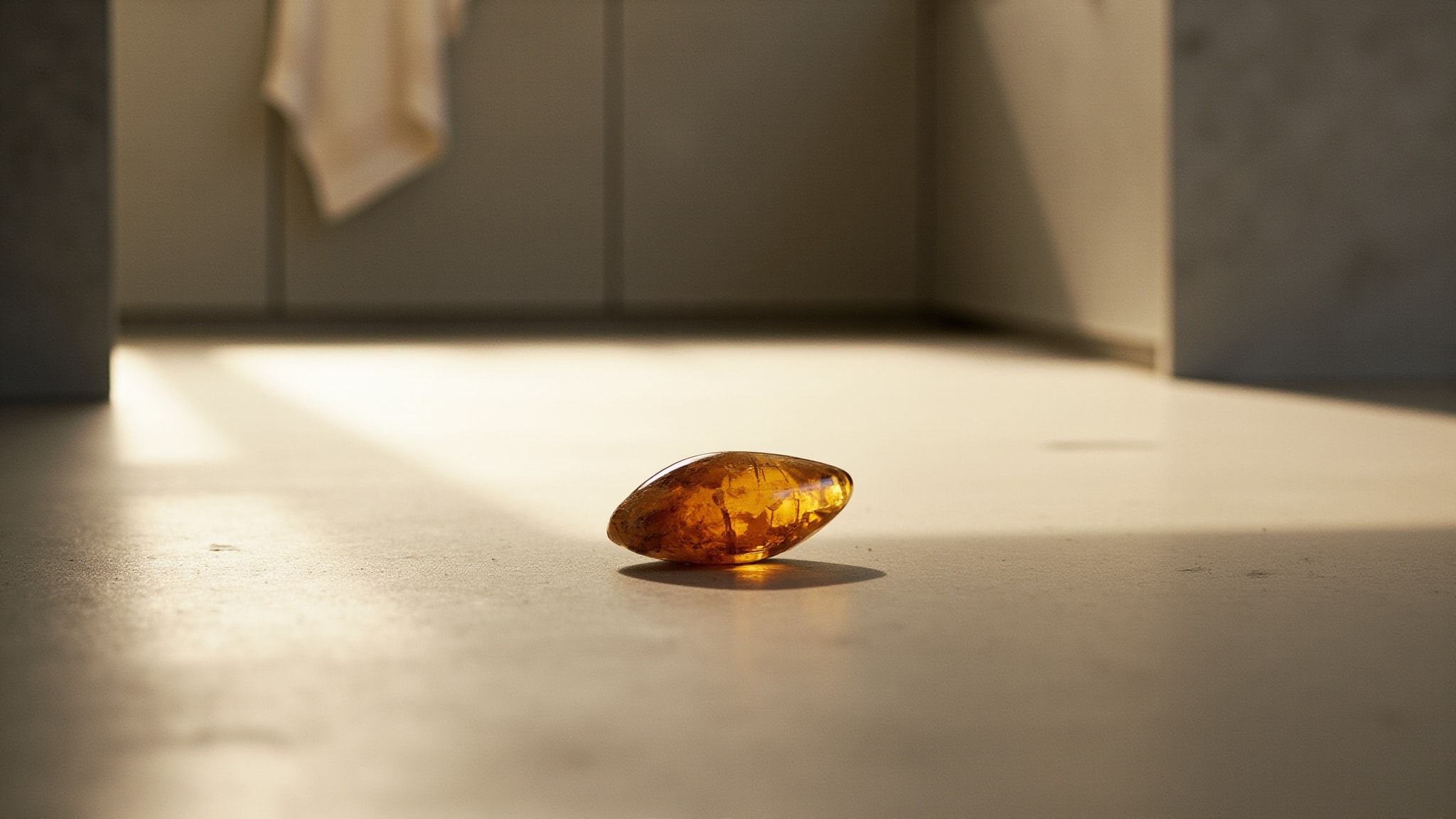
Ambergris sits outside Demeter's usual catalog of playful, recognizable scents. Where most of the line traffics in foods and weather and childhood memories, this one reaches back to perfumery's oldest luxury material. The idea was straightforward: isolate something rare and make it wearable without the rarity's price tag. True ambergris commands thousands per pound and carries an animal warmth that's nearly impossible to replicate. Demeter's synthetic version doesn't try to fool anyone. It just keeps the warmth, the earthiness, the vanilla undertones that make ambergris worth chasing in the first place.
The note pyramid is spare by design. Ambergris, vanilla, musk, earthy notes, spice. No excess, no ornamentation. What makes this interesting isn't what's in it, it's what's been left out. The vanilla doesn't compete with the ambergris. The musk doesn't overpower. The spice doesn't shout. Everything sits in the same register, breathing together. That restraint is harder to get right than complexity. The synthetic ambergris captures the warmth without the scatalogical edge natural ambergris carries, making it approachable while still being unusual within Demeter's own catalog.
The evolution
The opening arrives warm and spicy, almost immediately. Not sharp, not bright, earthy warmth that reads as amber before it reads as anything else. Within minutes, vanilla climbs in, soft and sweet like boats drifting across an autumn field. Everything in light brown. The spice recedes and the scent settles close, becoming intimate. The heart is where this lives: vanilla and ambergris holding steady, musky underneath without being animalic. This is close-to-skin territory from the start. The drydown doesn't transform, it deepens. Powdery warmth, the faintest trace of caramel, a soft musky exhale that clings to fabric and skin well into evening. The next morning, on a shirt worn to bed, the faintest warmth remains.
Cultural impact
Ambergris occupies an unusual position in Demeter's catalog. Where most releases reference something you can picture, Thunderstorm, Pistachio Ice Cream, Paperback, this one references a perfumery ingredient. The brand's democratic ethos turns it into a question: should an unusual note be made accessible to anyone curious, or does rarity have value? Wearers seem split. Some appreciate the warmth and the novelty. Others find it too subtle, too close to skin, wishing for more projection from an ingredient that costs thousands per pound in its natural form.