
The Story
Why it exists.
The beginning
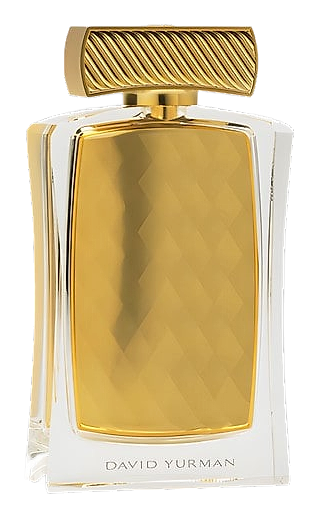
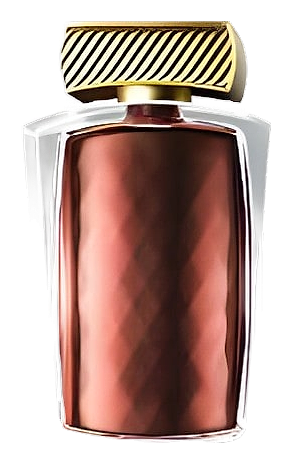
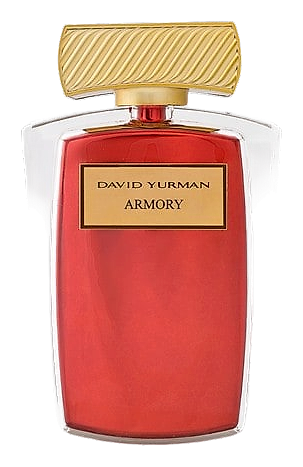
Armory arrived in 2020 as a fragrance from David Yurman, a house with a reputation built on jewelry. The name borrows from the Armory men's jewelry collection, the same one that turns industrial metalwork into something wearable. The fragrance translates that idea into scent: materials that carry weight, textures that feel forged rather than finished. Earthy, resinous, and leathery from first spray, Armory doesn't gesture at softness. It sits in the category of scents designed to feel forged, composed of raw materials that haven't been smoothed into submission. A limited release, Armory extends the brand's design vocabulary from metal to molecule, carrying forward the same vocabulary of texture, weight, and structural intent that defines the jewelry collection it shares its name with.
The heart of this composition is a dense collision of earthy, resinous, woody, and leathery materials, layered with spicy and green undertones. The opening is already deep, already weighted, pulling the wearer straight into a terrain of soil, bark, and cured hide. This is a fragrance that wants to be recognized by its foundation, not its entrance. The result reads as monolithic in a way that's increasingly rare, a composition that treats its core materials as architecture rather than ornament.
The evolution
Armory opens with what feels like a door closing. The first few minutes are dark and grounded, the spicy and green facets cutting through the composition from the very first breath. There's no bright entry, no citrus rescue. Just immediate density. As the composition begins to develop, the resinous and balsamic layers assert themselves, warming the profile from underneath, and the leather starts to soften from rawhide into something closer to a well-worn jacket. The earthy notes anchor everything, refusing to let the composition float. As the hours pass, Armory settles into its true register: a warm, woody-leather accord with a faint aromatic hum running beneath it, the kind of scent that feels like it was always there. The drydown is where the wood and earth hold the line, the composition becoming a second skin, the leather softening into something that smells like it grew there.
Cultural impact
Armory occupies a specific niche within David Yurman's fragrance offerings, the one that leans furthest from anything delicate or ornamental. It's a limited release, which keeps it out of mainstream rotation, and that scarcity suits its character. The fragrance functions as an extension of the brand's design language, the scent equivalent of a piece from the bold Armory jewelry collection rather than a delicate pendant. The composition commits to a single direction and holds it, offering something substantial and structural rather than light or decorative.