
The Story
Why it exists.
The beginning
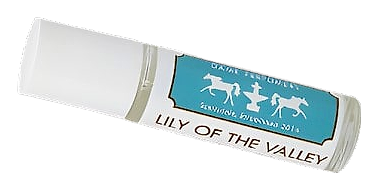
Jeffrey Dame created Soliflore Lily of the Valley. The flower has a short season, a notoriously difficult extraction, and a scent that's easy to get wrong. The result is a fragrance that captures the delicate, dewy character of the bloom, the sort of scent that arrives on a spring morning before the sun has fully warmed the garden. There's a translucent quality to the top notes, a brightness that feels almost crystalline, followed by something softer and more intimate as the heart develops. Dame trusts the material enough to let it speak plainly, without the kind of elaboration that can tip a lily of the valley into soap or cleaning product territory.
Lily of the valley is the kind of note perfumers usually tuck into a composition as a supporting player, a lift, a brightness, a suggestion of spring. Taking it solo means every imperfection shows. The challenge is freshness without greenery, sweetness without cloying, and that soapy clean that makes the real flower so distinctive. Dame doesn't try to improve on it. The soliflore format is the statement: this is what the flower smells like, take it or leave it. For those who take it, the reward is an accurate, almost clinical fidelity to the living bloom.
The evolution
Lily of the valley opens bright and immediate, no preamble, no top note hand-off. The first minutes are pure green, like crushing stems between your fingers. Then the sweetness arrives: that creaminess beneath the green, the one that makes the flower smell expensive despite growing in gardens across half the Northern Hemisphere. The soapiness that the community voters flagged shows up around the 30-minute mark. It's clean, but not antiseptic, closer to good soap than detergent. The fragrance continues to develop in subtle waves, the green and creamy elements interweaving as the scent settles into its heart. There's a quiet elegance to how the composition unfolds, each stage flowing naturally into the next without harsh transitions. The drydown is brief and skin-close, soft enough that it feels like a whisper rather than a statement.
Cultural impact
Lily of the valley carries associations for many people, some finding the scent nostalgic and comforting, others more cautious in their enthusiasm. Dame's soliflore doesn't try to navigate those reactions. The fragrance simply presents the flower as it is, inviting wearers to meet it on its own terms. In a market where niche fragrances often compete on complexity and surprise, there's something direct about a scent that says: this is the whole thing, no elaboration needed. It asks you to slow down and pay attention to what a single ingredient can offer when given room to breathe.