The Story
Why it exists.
The beginning
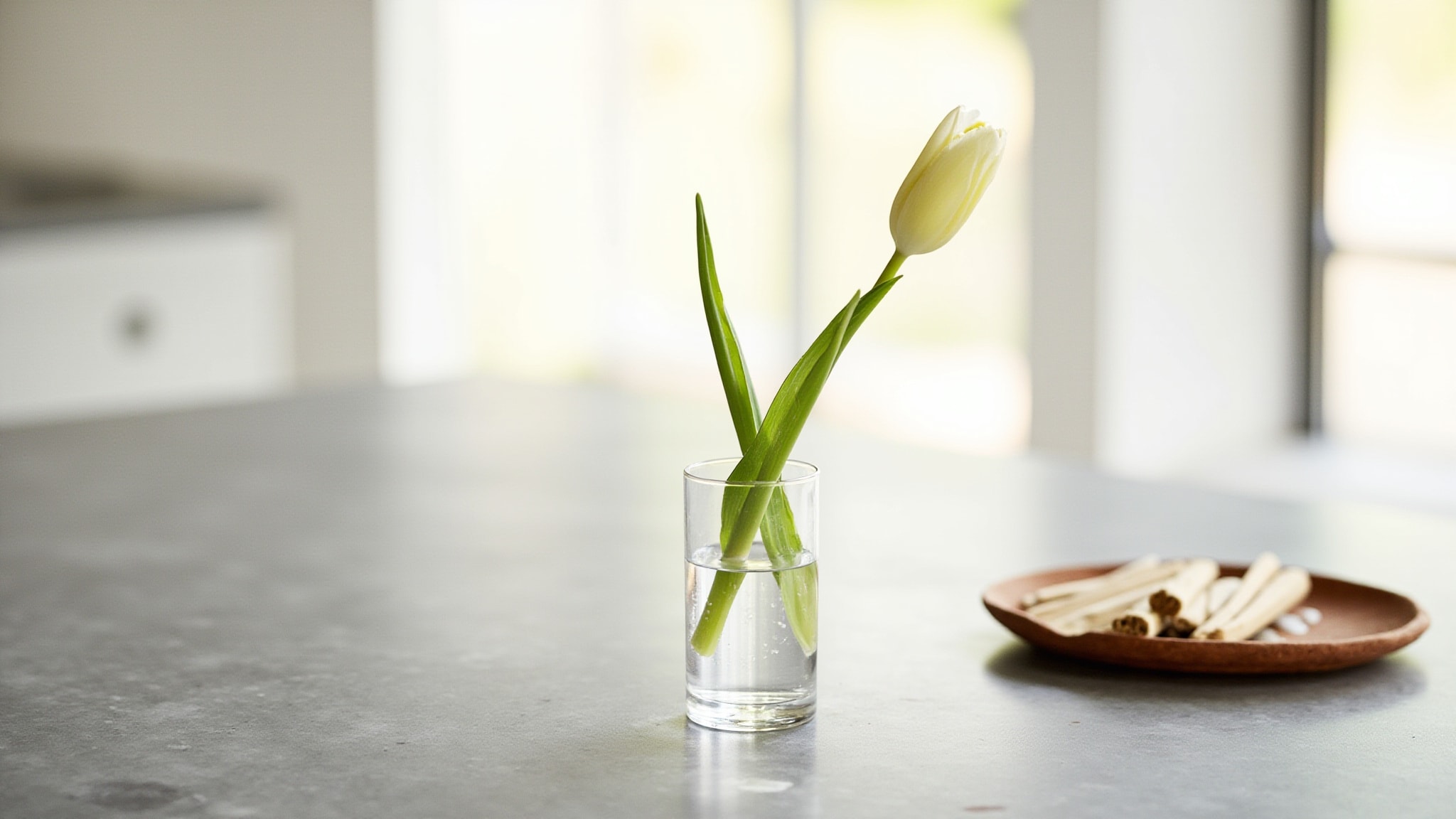
Tulip Fields dropped in 2022, and Bri Beyer is the nose behind it. She's built a reputation for unexpected pairings, and this one earns that reputation quietly. A single-note tulip opening would have been too precious. Instead, Beyer anchored it in carrot seed and vetiver, treating the flower as a starting point rather than the whole story. The result reads less like a bouquet and more like the ground around one. You can smell the dirt and stem and root system, all the parts most floral compositions leave out. There's an earthiness here that cuts the soft petal quality before it gets cloying, and the carrot seed adds a dry, slightly spicy warmth that you don't expect from something calling itself Tulip Fields.
What makes this composition worth noticing is the restraint. Tulip is a notoriously slippery note in perfumery, often flattened into something candy-like or generic. Pairing it with carrot seed gives the tulip something to push against, a rougher texture to keep it honest. The vetiver and palo santo at the base do the opposite job, pulling everything downward into soil rather than letting the florals drift into sweetness. It's a three-layer composition disguised as a single flower, and the layering keeps revealing itself the longer you wear it.
The evolution
The first thirty minutes belong almost entirely to tulip, but not the petal-soft tulip of candle shops. This one has a watery, almost mineral edge, like the stem was just cut. The transition is gradual rather than dramatic. Carrot seed arrives underneath, introducing a dry, hay-like warmth that feels less like a new note and more like the first note finding its feet. By the second hour, the green has deepened into something darker, more root than leaf. Vetiver takes over quietly, joined by the palo santo's quiet incense smoke. The woody notes in the base never fully announce themselves, which is the point. What remains after five or six hours is a skin-close blend of vetiver and soft wood, almost mossy, like the scent of a garden after the sun has moved. It doesn't project much by then, but it stays warm and close, the kind of drydown you catch yourself leaning into your own wrist to find.
Cultural impact
Tulip Fields is a rare thing in perfumery: a release that puts tulip at the center of the composition rather than using it as a passing accent. Most commercial tulip accords tend to flatten into something sweet or generic, and that's part of why true tulip-dominant fragrances stay scarce on the market. Damask Haus's choice to commit to an entire fragrance built around that flower gives the release a specific kind of weight. Rather than chasing a broader audience with an easy crowd-pleaser, the composition sits firmly in its own niche, rewarding wearers who want something rooted in a single floral idea.