The Story
Why it exists.
The beginning
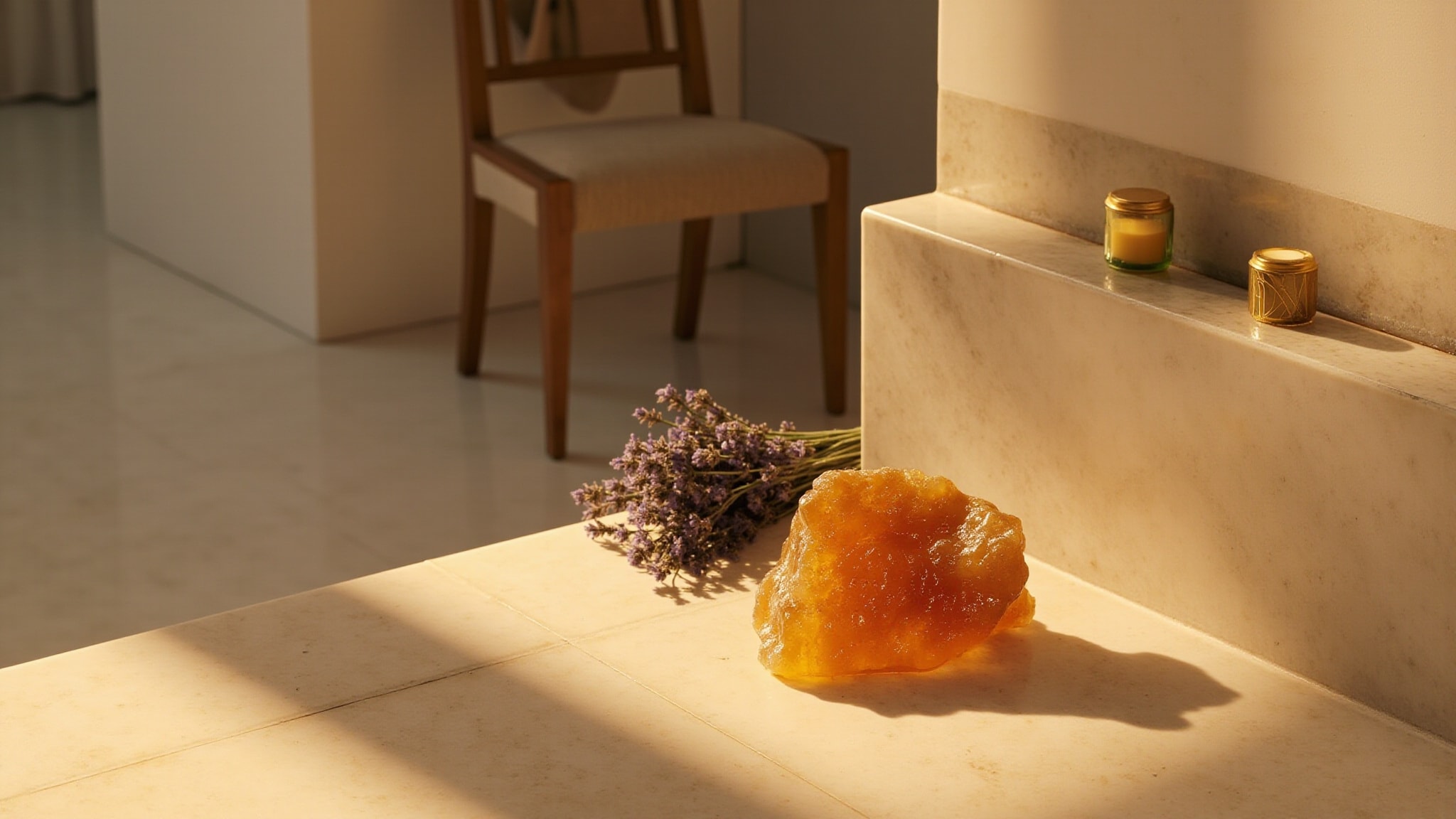
Lavender Lace is built around a deceptively simple question: what would lavender smell like if it forgot it was supposed to be clean? Most people meet lavender through soap and laundry detergent, that bright, almost antiseptic character that has more in common with a medicine cabinet than with anything romantic. Beyer asks the material to do something different here, and the result trades the bracing top notes for something warmer, slower, closer to the skin. Honey carries most of that weight. It shows up early and stays, giving the lavender a golden undertone that keeps the scent from reading as herbal or cold. The honey doesn't shout either. It folds in, adding a sticky sweetness that rounds the lavender's sharper edges without burying them.
The most interesting thing about Lavender Lace is what it leaves out. A lot of lavender-forward fragrances lead with camphor and cooling aromatics, a stack of green, bracing top notes meant to telegraph the lavender in the most obvious way possible. Lavender Lace skips almost all of that. There's no eucalyptus opening, no sharp mint lift. The lavender reads through honey instead, which changes everything about how the scent lands on skin. That choice gives you the calming side of lavender without the bracing, almost medicinal opening most compositions lead with.
The evolution
The first fifteen minutes are where Lavender Lace shows its hand. Lavender and honey arrive almost together, the herbal greenness of the lavender wrapped in the golden warmth of the honey, with lilac threading through like a quieter voice underneath. There's a sweetness here that's more nectar than sugar, and the opening reads warm and slightly floral rather than cool or soapy. After the first hour the composition settles. The lavender softens and the honey becomes more prominent, taking on a waxy, almost beeswax-like quality. Lilac blooms more visibly in this middle phase, the powdery, linden-blossom character of the flower coming through more clearly. The scent feels closer to skin at this point, less perfumey and more like something natural happening on the surface. The drydown is where the vetiver earns its place. After roughly three hours, the honey and lavender recede and the green, rooty, slightly earthy character of vetiver takes over. It's not a dramatic shift, more like the volume on the sweetness turning down while the structure becomes more visible.
Cultural impact
Lavender Lace takes one of the most familiar materials in fragrance and treats it like something new. Lavender has been part of Western perfumery for centuries, and most wearers meet it through the same handful of associations: the soapy edge of a fresh shower, the bracing opening of a cologne, the clean finish of a fougère. Beyer seems interested in none of those readings. Instead, Lavender Lace asks what lavender smells like when it's warmed up, fed through honey, and allowed to behave like a soft, golden floral rather than a functional herb. The fragrance trades on intimacy rather than presence.