
The Story
Why it exists.
The beginning
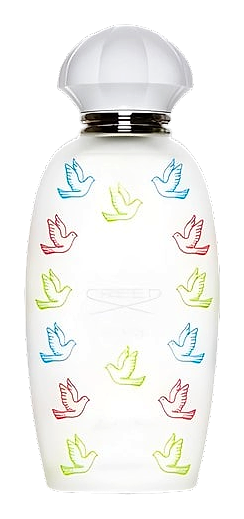
The name says everything. Pour Enfants, Creed for children, is a fragrance born from a truth that every adult remembers: kids have always wanted to smell like the grown-ups. In 2015, perfumer Julien Rasquinet translated that longing into something real. Not a gimmick. Not a downscaled Aventus. A proper Creed fragrance made without alcohol, without the intensity. The challenge was to capture what it means to want what your parents have, and bottle it with the same care you'd give any house creation. Rasquinet delivered exactly that. The result is a fragrance that respects the child's desire while delivering the house's signature attention to detail.
The alcohol-free formula is the point. Creed didn't soften their house style for children, they created something distinct for younger skin. Without alcohol as a carrier, the scent sits closer, lasts shorter, and behaves differently than the house's adult offerings. Grapefruit and lemon open bright and familiar. Apple and rose form a heart that's sweet without being saccharine. Plum anchors the base with quiet warmth. The pyramid is simple on paper, but the execution is unmistakably Creed. It's a sophisticated composition that happens to be made for smaller noses.
The evolution
The opening is citrus spark, grapefruit and lemon arriving with immediate brightness, like morning light hitting skin. Within minutes, the apple softens that sharpness while rose weaves underneath, deepening the fruitiness into something rounder. By the end, plum settles in close, quiet, intimate, warm. The alcohol-free formula means it stays close rather than projecting outward. On fabric it lingers longer, a quiet reminder of the morning long after it's gone. The scent fades gracefully rather than disappearing abruptly, leaving behind a soft trace that invites you to experience it again.
Cultural impact
Creed Pour Enfants sparked conversation about whether children should wear fragrance at all. Some saw it as addressing a genuine desire, kids naturally gravitating toward their parents' scents, while others questioned the ethics of marketing luxury scents to children. What's striking is that Creed didn't compromise on quality; they simply removed the alcohol. Whether it's a savvy business decision or a fascinating cultural moment, the execution itself is solid. The fragrance invites discussion about how desire, luxury, and childhood intersect in the perfume world.