
The Story
Why it exists.
The beginning
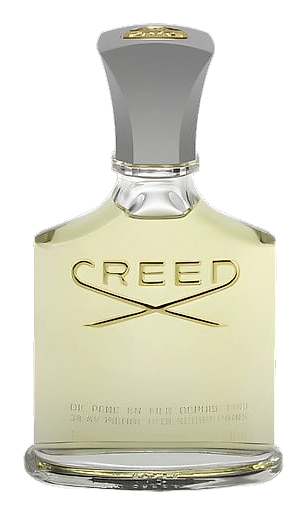
Bois de Cédrat draws its name from the cédrat fruit, a citrus relative with a distinct character that sets it apart from more familiar notes. Henry Creed Third Generation created this fragrance in 1875, working with materials that defined the period's approach to cologne making. The composition built around the cédrat itself gave the scent a particular brightness, a focus on citrus that was central to the fragrance's identity. What could have been a simple cologne became something with just enough depth to outlast its era. The brief was clear: work with citrus as the foundation, let it lead, and build around it in ways that respected what it brought to the composition.
Four materials form the complete structure of the pyramid: Sicilian lemon, Calabrian mandarin, cedarwood, and ambergris. In 1875, this represented cologne in its traditional sense, light and bright, with the composition shaped by what held it together. The cedarwood used in the formulation comes from juniper cedar, a specific material choice that added dryness and clarity to the base.
The evolution
The opening presents Sicilian lemon in a clear, direct form. Bright, tart, almost astringent, the kind of citrus that hits the back of the throat before it registers fully in the nose. It has the quality of cold morning air. After twenty minutes or so, the edges soften. The heart emerges: Calabrian mandarin, rounder and less sharp, carrying a sweetness that keeps the citrus direction without the initial intensity. Both phases remain close to the skin. This is not a fragrance that announces itself from across the room. The drydown is where the composition reveals its purpose. Around the thirty-minute mark, the lemon recedes and cedarwood takes over, dry and clean, almost pencil-shaving in its clarity, grounded by ambergris that adds warmth without sweetness. This final phase is the part that lingers, the reason people return to this fragrance.
Cultural impact
Bois de Cédrat represents a particular approach to fragrance composition, one built on citrus as the primary element with a woody base providing structure. The design answers a brief that prioritizes clarity and simplicity over complexity. This straightforward approach to scent design has its own merit, offering a clean and direct olfactory experience that relies on quality materials rather than layered intricacy. For those interested in understanding different approaches to perfumery, this fragrance provides an example of how restraint can be its own form of sophistication.