The Story
Why it exists.
The beginning
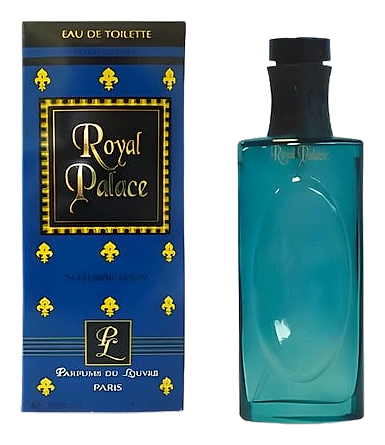
Royal Palace carries the weight of formality, but the composition behind it moves in the opposite direction. Bergamot, lavender, musk, cedar. Four notes doing the work of twenty. That economy is a quiet kind of statement, one that values precision over volume. The restraint in the formula feels deliberate, almost architectural, as though each ingredient was placed with a specific reason for being there. Nothing reads as filler. Nothing overstays. The bergamot opens with a contained brightness, pressed rather than squeezed, offering citrus without the usual fanfare. Lavender settles into the composition instead of rising above it, soft and slightly powdered at its edges.
What makes Royal Palace interesting isn't the note list. It's what the notes refuse to do. Bergamot could go bright and assertive. Lavender could go aromatic and fougère. Musk could go loud and white. None of that happens here. The bergamot stays contained, pressed rather than squeezed, offering its citrus character without the sharp top-note assault that bergamot sometimes delivers. The lavender settles into the composition instead of rising above it, behaving more like a textural element than a leading voice.
The evolution
The opening belongs to bergamot, but it's a bergamot that arrives already tempered, like citrus that's been pressed rather than freshly peeled. The note lifts without shouting, offering a bright entry that doesn't behave like a traditional top-note fanfare. Lavender arrives not as a sharp herbal accent but as something softer, almost powdered at the edges. There's a fougère ghost in the background, but it's been tamed, kept from declaring itself too loudly. As the composition settles, the musk takes over the dominant space. This is the part that matters. The musk in Royal Palace leans animalic, warm, faintly sweet. It sits close to skin and stays there, projecting softly rather than broadcasting. The cedar comes last, not as a fresh-cut lumber note but as something dry and papery, almost like the inside of a cedar-lined drawer.
Cultural impact
Royal Palace sits in an interesting corner of the contemporary fragrance landscape: a discontinued cologne that still circulates in the secondary market. The fragrance is no longer being produced, which shifts its position from available purchase to archived curiosity. What's left on the market has become finite, and sealed bottles tend to surface through secondhand channels rather than retail. For those tracking the house's catalog, Royal Palace represents a particular moment in the brand's output, one defined by a powdery-musky character that leans warm and animalic.