The Story
Why it exists.
The beginning
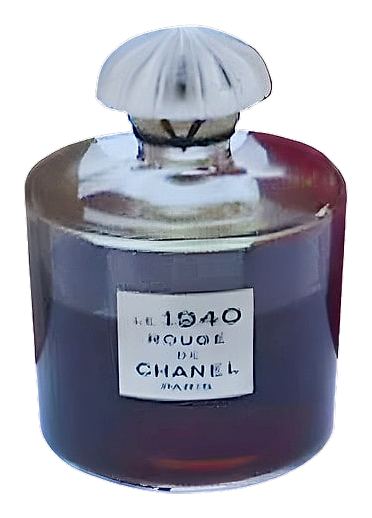
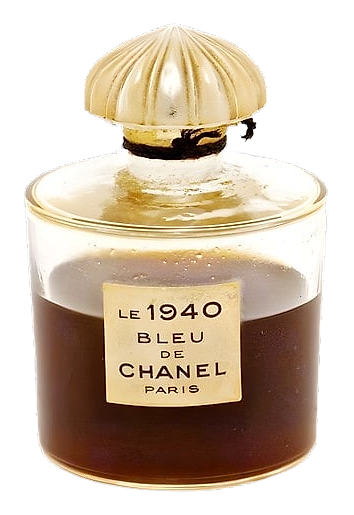
Chanel's Les Exclusifs line is the house's archive made liquid, perfumes that exist outside time, each one a statement about what fragrance can be. Le 1940 Bleu de Chanel arrived in 1931, a decade after Ernest Beaux had already rewritten perfumery's grammar with N°5. Where that fragrance announced itself, this one asks you to come closer. Named for its era, not a place, not a person, but a moment in time, it carries the quiet confidence of something that doesn't need to be understood at first encounter.
The notes structure is what makes it interesting. Aldehydes are present, Chanel's signature move, but they're not the blunt instrument of N°5. Here they shimmer at the opening, then recede, letting the violet and blackcurrant do the emotional work. The woody base is substantial without being heavy: vetiver, cedar, sandalwood as a foundation rather than a statement. It's the kind of composition that rewards patience, nothing hits you immediately, but nothing disappears either.
The evolution
The opening is aldehydes, clean, bright, with a faint metallic edge that some read as soap and others read as radiance. It lasts maybe thirty minutes. Then the heart arrives. Violet and blackcurrant arrive together, floral and tart, darker than the top notes suggested. Cyclamen adds softness. Lily of the valley lingers from the opening, a green thread connecting the phases. By hour two, the sillage has pulled in. The fragrance sits close, intimate. The drydown is all wood. Vetiver's earthy, slightly bitter root. Cedar that smells like sharpened pencils and old cabinets. Sandalwood, creamy, warm, patient. The drydown lasts. On fabric, it stays until the next wash.
Cultural impact
Le 1940 Bleu de Chanel holds a quiet place in the Chanel archive. It doesn't have the cult following of N°5 or the contemporary reach of Bleu de Chanel EDT. But among collectors and Chanel enthusiasts, it represents something worth preserving: the house's commitment to intellectual fragrance, where composition matters more than crowd-pleasing. The aldehydic structure connects it to Chanel's founding innovation, while the woody drydown shows a different side of what the house can do.