The Story
Why it exists.
The beginning
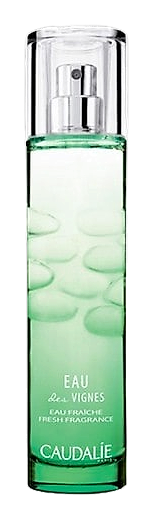
Mathilde Thomas described the scent she wanted to capture: the smell that lingers on your fingers when you rub citrus peel, when you crumple leaves wet with dew, when you gather petals in the summer garden at Smith Haut Lafitte. That sensory memory became the brief for Eau des Vignes. Alberto Morillas translated it into a composition that opens bright with bergamot, settles into iris, and grounds itself in white musk. Released in 2017, it joined Caudalie's Fresh Fragrance collection as a daily-wear option for the woman who wants to smell clean without trying.
The note structure is deceptively simple: three materials, three stages. But the execution is what makes it work. Bergamot as an opening note is common enough. What separates this is how the iris reads not as powder but as a soft, almost clean-fabric quality that arrives mid-drydown. The white musk doesn't project, it lingers. These choices reflect a fragrance designed for proximity rather than presence, for the wearer who wants something that smells like her, not something that announces her.
The evolution
The opening is immediate: bergamot that sparkles and doesn't wait. It reads like citrus oil warming on skin, bright for the first thirty minutes. Then the iris arrives, not as powder but as a soft fabric blur that replaces the sharpness. The hand-off is gentle, no jarring transition, just a quiet settling. By the final stage, white musk takes over, staying close and clean for the next few hours. On skin, expect four to six hours. On fabric, longer. The drydown never truly disappears, it fades into something intimate and close, the kind of scent someone notices only when they're standing beside you.
Cultural impact
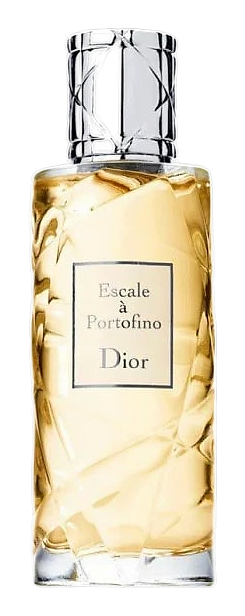
Eau des Vignes occupies a specific niche: the affordable French vineyard fragrance. Released in 2017 alongside similar citrus-floral releases from heritage houses, it carved out space for the woman who wants something elegant without the performance weight. Wearers consistently compare it to pricier options, particularly Dior Escale à Portofino, and call it exceptional value. The fragrance doesn't try to compete on projection or longevity. It competes on wearability.