The Story
Why it exists.
The beginning
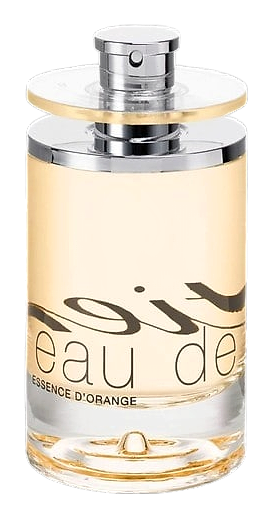
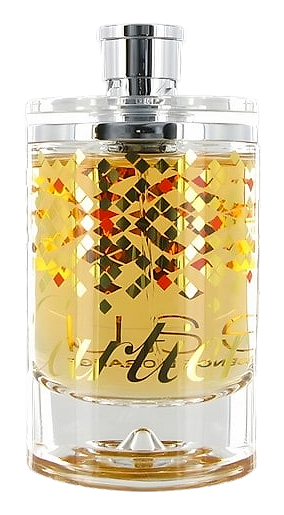
The 2011 limited edition took the original Eau de Cartier Essence d'Orange and turned the volume up on everything the name promised. Orange as a material, orange as a feeling. Cartier's fragrance philosophy has always treated scent as invisible jewellery, something worn against the skin rather than announced to the room. This edition amplified that idea. Released just before summer, it arrived in a collector's cylindrical bottle with mosaic detailing and a light orange liquid visible through the glass. The Maison didn't redesign the fragrance so much as reframe it, giving devoted fans something new to seek out and hold. Limited production meant it disappeared from counters within the season, which only deepened the appeal for those who knew to look.
What sets this composition apart is the gap between its brightness and its structure. A high-voltage citrus opening, orange and bergamot in near-equal measure, reads as effortless and ephemeral. But underneath, the heart of violet and acacia gives the fragrance something unexpected: weight. The fruity notes add dimension without sweetness for its own sake. Then the base arrives: cedarwood and patchouli anchoring the orange rather than competing with it, amber warming the drydown into something that lingers close to the skin. The result is a fragrance that opens like a warm afternoon and resolves into something you notice on your sleeve six hours later.
The evolution
The opening arrives within seconds, a sharp, juicy burst of orange and bergamot that doesn't build so much as detonate. For the first fifteen minutes this fragrance is almost aggressive in its optimism, the kind of citrus that makes you squint. Then something shifts. The violet emerges, softening the edges, while the fruity middle notes add a quiet complexity that wasn't obvious at first spray. The cedar and patchouli take their time, arriving closer to the second hour to anchor what could have been a forgettable bright scent. By hour three the orange has retreated to a memory, replaced by a warm amber-wood trail that stays close to the skin. On fabric the next day: a faint trace of cedar, still present.
Cultural impact
The 2011 limited edition stood apart from seasonal flankers by treating the collector's bottle as part of the fragrance's identity. The mosaic-decorated flacon with its visible light orange juice made the packaging an object worth displaying, which aligned with Cartier's positioning that the most precious things are worn against the skin, not paraded. For those who found it, it became the kind of fragrance worn on quiet days when the gesture matters more than the statement.