The Story
Why it exists.
The beginning
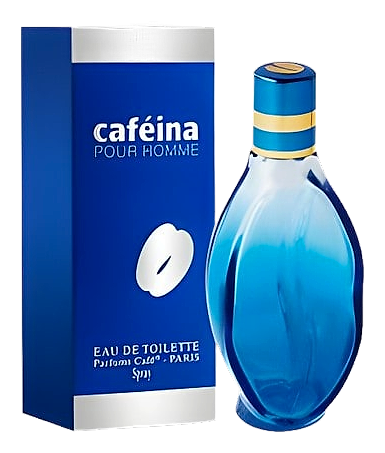
Cafe Parfums built its identity on roasted coffee. Every fragrance in the house orbits that single, specific obsession. Then, in 2010, came Cafeina pour Homme. No coffee. Not even a hint. Instead, Antoine Lie constructed an aromatic fougère built on basil, grapefruit, lavender, and geranium, herbs and flowers arranged like a morning garden before the espresso. The name keeps the brand connection. The composition does not.
The choice of lavender as the structural heart is what sets this apart from generic fresh masculine. Geranium adds a green-rosy undertone that lifts the lavender from barbershop territory into something slightly more modern. The base of musk and tonka bean brings sweetness without gourmand excess, the tonka bean's vanillic quality rounds off the herbal sharpness and leaves something warm and close to the skin. The aquatic-fresh classification in the accords likely comes from the synthetic materials lifting the citrus top notes, creating that clean, almost ozonic quality in the opening minutes.
The evolution
The opening is immediate. Basil arrives green and slightly bitter, followed seconds later by grapefruit's tart, waxy brightness. The citrus reads sharp, almost aggressive, before the herbs settle it down. Within 15 minutes, the lavender takes over as the dominant note, transforming the scent from fresh-herbal to aromatic-fougère, the shift is notable and quite sudden. The geranium appears as a supporting green-rosy layer beneath the lavender, adding a subtle floral dimension that prevents the composition from flattening. By the 2-3 hour mark, the herbal and floral elements recede and the drydown takes over: musk creating a skin-like warmth, tonka bean bringing a sweet, vanillic character that lingers close to the skin. On fabric, the drydown can persist into the evening.
Cultural impact
As a 2010 release, Cafeina pour Homme arrived during a period when aromatic fougère structures were being reimagined for a more synthetic-fresh aesthetic. The composition reflects that era's shift toward clean masculine fragrances with green and aquatic facets, positioning it as a more niche take on a broader trend.