The Story
Why it exists.
The beginning
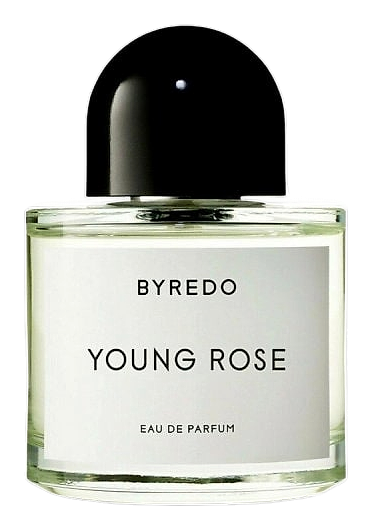
Byredo's Young Rose arrived in 2021 with a clear brief: take the idea of rose and make it feel like now. Not a rose that smells like memory or nostalgia, a rose that smells like someone who doesn't need permission to exist. Perfumer Jérôme Epinette worked from that tension, building a fragrance that opens sharp and fizzy rather than soft and familiar. The name says young, but it means modern. Rebellious youth and contemporary elegance, as the brand puts it, two ideas that shouldn't work together but do.
What makes Young Rose unusual is the pairing of Sichuan pepper with ambrette seed. Sichuan pepper is typically a bridge note, something that adds sparkle before the heart arrives. Here, it's the opening act, and it takes the lead seriously. Ambrette, often used as a musk substitute, brings a slightly animalic freshness that keeps the top from feeling like a generic citrus. In the heart, iris root adds a powdery, slightly woody softness that balances the pepper's bite. It's a composition that uses restraint as a weapon, no heavy sillage, no room-filling projection. Just clarity.
The evolution
The opening arrives fast: Sichuan pepper and ambrette arrive together, the pepper sharp and immediate, the ambrette softer, slightly salty. There's a fizzy quality here, some wearers describe it as carbonated, like rose soda. The transition to the heart happens within ten minutes, damask rose stepping forward while the pepper recedes but doesn't disappear entirely. The iris adds a powdery warmth that keeps the rose from going sweet. This is the longest phase, three to four hours of quiet floral softness. The base arrives quietly: ambroxan and musk merging into something skin-close, the kind of drydown that someone standing very close to you would notice. On most skin types, the full arc runs six to eight hours, moderate sillage throughout. The next day, a faint trace on fabric, clean, musky, intimate.
Cultural impact
Young Rose landed in a fragrance landscape that had gone rose-crazy, every house was releasing a rose scent, most of them heavy and opulent. Byredo's entry was different: a rose that smelled like carbonation, like rebellion, like someone who wore it because they meant to, not because it was safe. It found an audience among people who had written off rose as old-fashioned. That audience keeps growing.