The Story
Why it exists.
The beginning
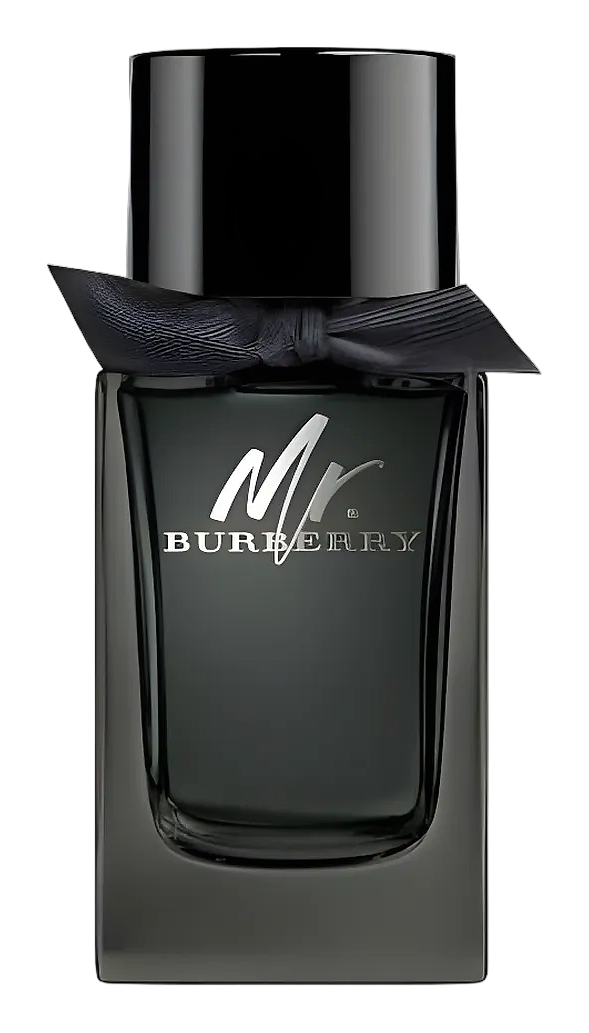
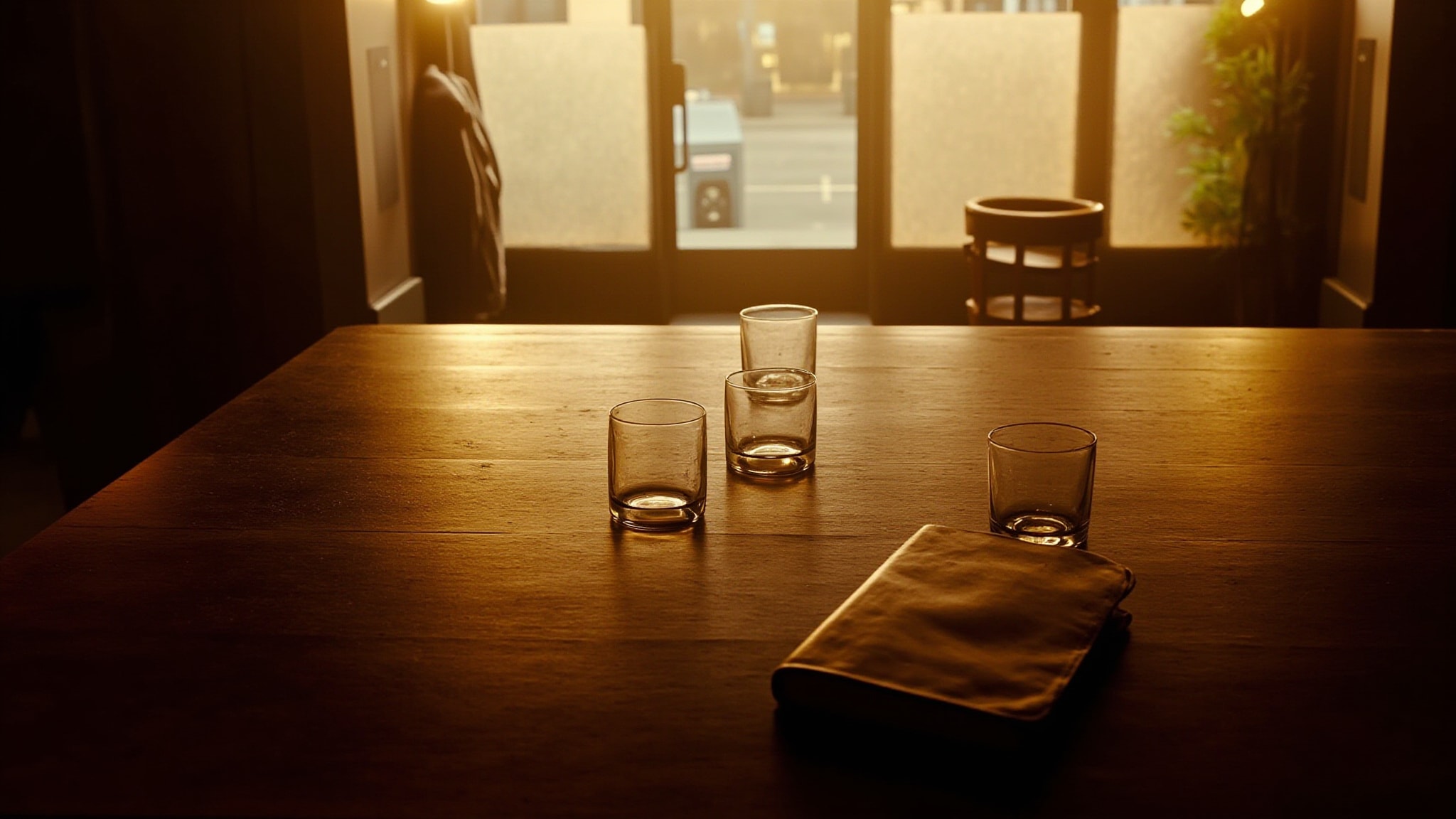
Francis Kurkdjian built Mr. Burberry EDP on a single conviction: the EDT was too polite. Not wrong, just too safe. London at night doesn't do safe, it does velvet shadows, amber streetlight, the kind of warmth you earn. He started with tarragon and cinnamon, the green and the warm, and let them argue. Then he threaded patchouli through the middle to give it density. The base, amber, vetiver, that was the homework.
Tarragon and cinnamon shouldn't work together. One is herby, almost medicinal; the other is comfort spice. Left to their own devices, they cancel. Kurkdjian didn't leave them alone. He let the tarragon bring its cool green bite to the opening, letting the cinnamon's warmth arrive slower, like someone who enters after the lights dim. The patchouli doesn't arrive as a surprise, it was always there, waiting under the top notes like a truth not yet spoken. By drydown, the amber and vetiver ground everything into something close, smoky, and sustained.
The evolution
The opening hits quick, tarragon's brightness arrives first, that green-anise quality cutting the air clean. Thirty seconds in, the cinnamon warms it without sweetening. The patchouli doesn't announce itself, it settles in around the two-minute mark, taking up space without effort. For the next three to five hours, this is a patchouli-forward fragrance wearing amber and vetiver as support. The drydown softens. The vetiver pushes forward, earthy and slightly smoky, and what lingers on skin the next morning is a ghost of that amber warmth, faint but present.
Cultural impact
Positioned as the evening answer to a daytime EDT, the EDP version arrived in 2017 with an implicit promise: more intensity, more sensuality, more London than before. Wearers describe it as a quiet confidence, not the fragrance that enters a room first, but the one that gets remembered when everyone else has left.