





Heritage
A house, in its own words
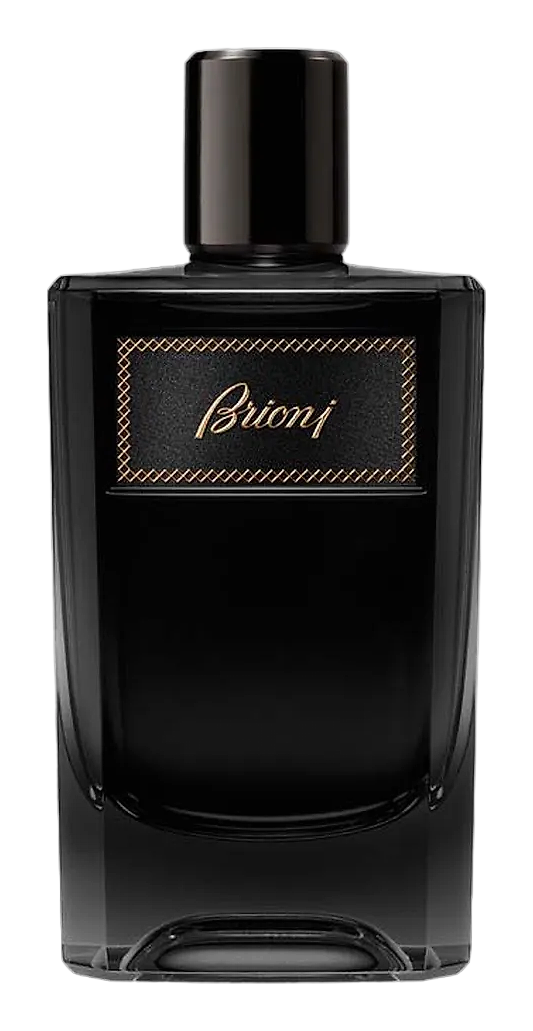
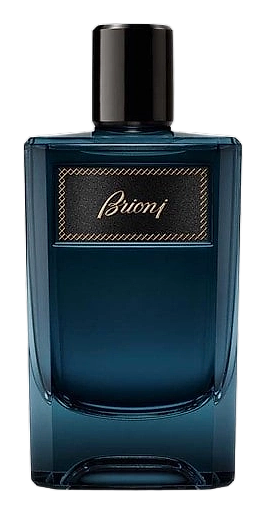
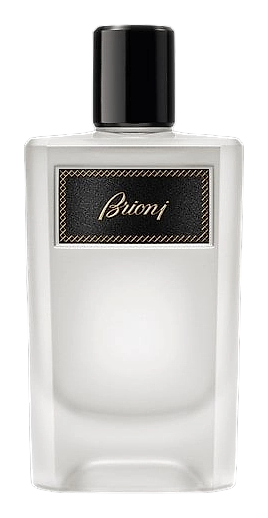
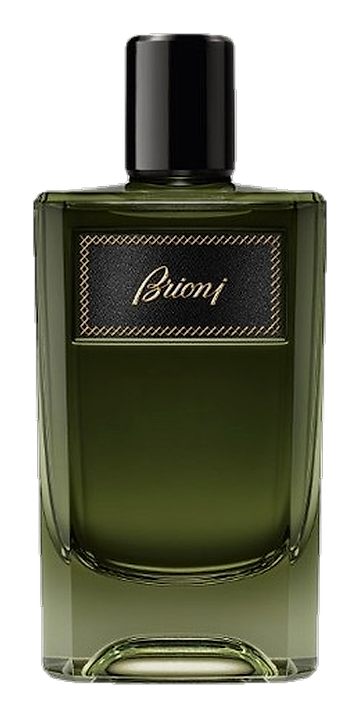
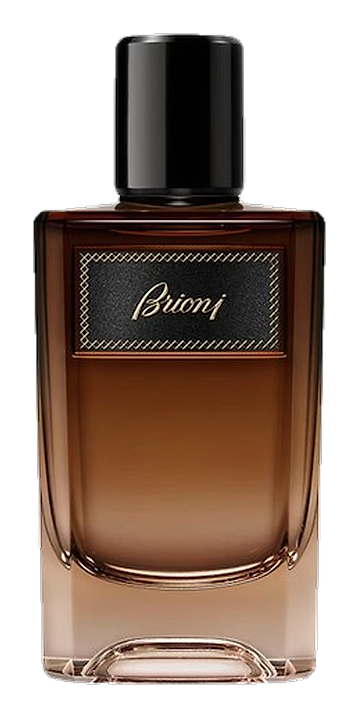
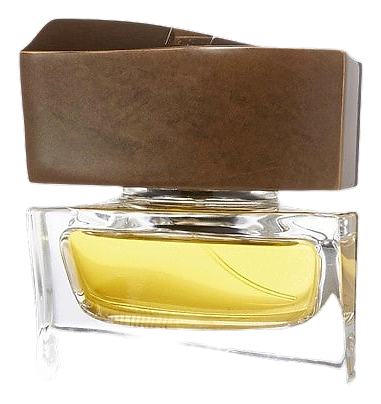
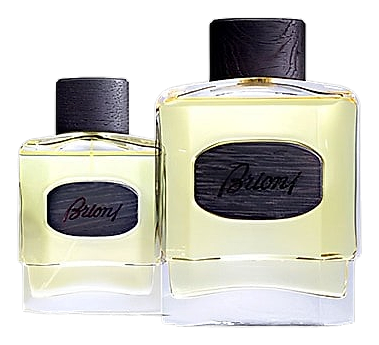
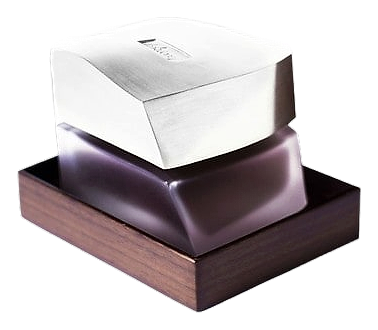
The story of Brioni began in 1945 when designer Gaetano Savini and tailor Nazareno Fonticoli joined forces to offer high-quality men's clothing. The two founders brought complementary expertise to their venture, with Fonticoli serving as Master Tailor and Savini handling the design side of operations. They established their base in Rome, a city that would become integral to the brand's identity and aesthetic direction. Brioni quickly distinguished itself in the postwar Italian fashion landscape, building a reputation for rigorous construction standards and refined menswear. The house celebrated its 65th anniversary in 2010, and to mark this milestone, released its first new men's fragrance since 1958, a significant development that signaled renewed interest in fragrance as part of the brand's portfolio. This 2010 launch established the template for subsequent Brioni scents, which would blend the house's tailoring sensibilities with perfumery traditions. The company operated as an independent luxury house for decades before becoming a subsidiary of a larger luxury group, a transition that expanded its global reach while attempting to preserve its heritage positioning. Brioni's Roman roots remain central to its identity, with the city's influence visible in both the aesthetic sensibility and the crafted quality associated with the house. Brioni approaches perfumery with the same precision it applies to tailoring, treating fragrance creation as a form of garment construction. The brand's fragrance philosophy centers on achieving balance and restraint, qualities that mirror the clean lines and considered proportions found in Brioni suits. Rather than pursuing novelty for its own sake, the house develops scents intended to become reliable wardrobe staples, much like a well-made jacket or trouser. The 2021 release of Brioni Eau de Parfum Essentiel marked a notable philosophical shift, embracing natural-origin ingredients as part of a broader commitment to transparency and ingredient quality. This evolution suggests the house remains responsive to changing consumer expectations while maintaining its core aesthetic principles. Collaboration with experienced perfumers allows the house to execute its vision without compromising on quality, resulting in compositions that reward close attention. The philosophy extends to how the brand presents its fragrances, favoring confident minimalism over ornamental excess.