The Story
Why it exists.
The beginning
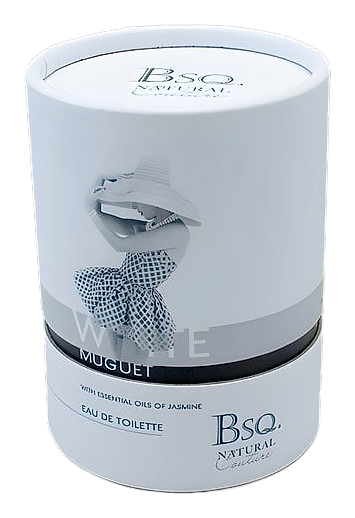
White Muguet belongs to the White collection, Berkeley Square's study in luminous, unhurried florals. While other houses chased opulence, this line went the other direction: clean, precise, daylight. White Muguet captures the quiet of a May morning in a London garden, when the air is cool and the flowers haven't yet opened fully. The name comes from muguet, the French for lily of the valley, a flower associated with the return of spring and, in perfumery, one of the most difficult to render faithfully. Berkeley Square didn't reach for simulation. They built around it instead.
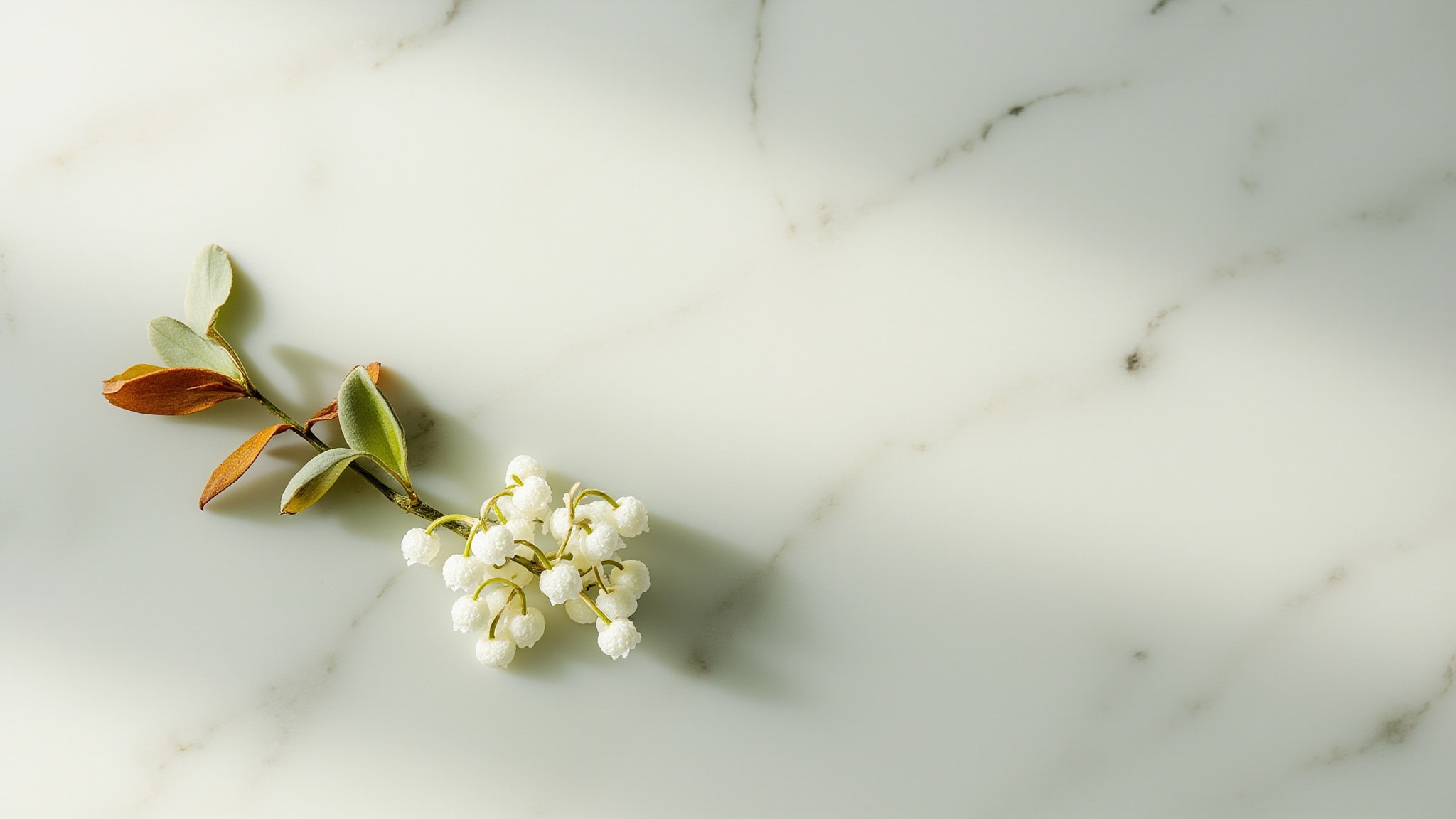
Lily of the valley is small and specific. It doesn't project or dominate, it arrives quietly and stays close. The perfumer's task with muguet is less about construction and more about restraint: letting the green-stem quality breathe, supporting it without drowning it. Jasmine does the heavy lifting here, warm and just-full-enough. The citrus keeps everything cool and sharp at the top, so the florals never feel cloying. What could have been a delicate exercise in nothing becomes something that actually wears, that lasts through an afternoon and asks for nothing in return.
The evolution
The opening hits immediately, citrus and green, sharp and cool, the smell of morning dew on leaves. Lemon pings against the nostrils. The green notes feel almost wet. Within thirty minutes, the jasmine arrives and the composition softens. The lily of the valley becomes more apparent, weaving through the jasmine in a clean, summery bouquet. It's not dramatic. The transition is gentle, almost seamless. By the time you reach the drydown, six to eight hours in, depending on your skin, the florals have settled into something quiet and intimate. Still present, still recognizably floral, but closer to the skin. No animalic depth, no woody sprawl. Just white flowers fading into the warmth of the day.
Cultural impact
White Muguet sits in a specific corner of the fragrance world: clean white florals for people who don't want to announce themselves. It's not a statement fragrance, it's the kind of thing someone chooses when they've moved past the need to prove anything. The V&A collaboration gives it an art-world credibility that elevates it above mass-market florals, while the no-paraben, natural-grain-base formula speaks to a specific kind of buyer: thoughtful, ingredient-conscious, not interested in shortcuts.