The Story
Why it exists.
The beginning
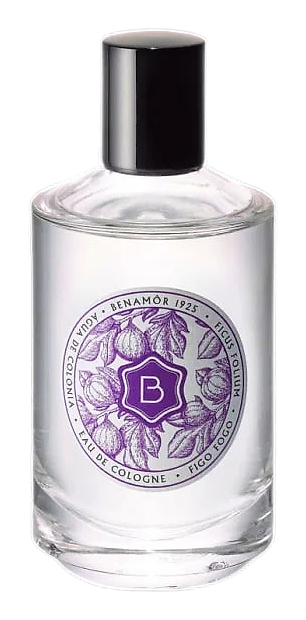
Figo Fogo launched in 2022 as part of Benamôr's ongoing dialogue with Portuguese landscape. The name carries a certain immediacy, a quick brushstroke that suggests heat meeting shade, and it sits naturally within a portfolio that draws on what grows close to home. Sources confirm the line is marketed by Sociedade de Perfumarias Nally, a house with deep ties to Portuguese perfumery. Rather than chasing international trends, the compositions lean into raw materials and textures that feel distinctly local, and Figo Fogo makes that commitment unusually literal. The plant in question is familiar across the country, its leaves and branches both finding their way into the pyramid.
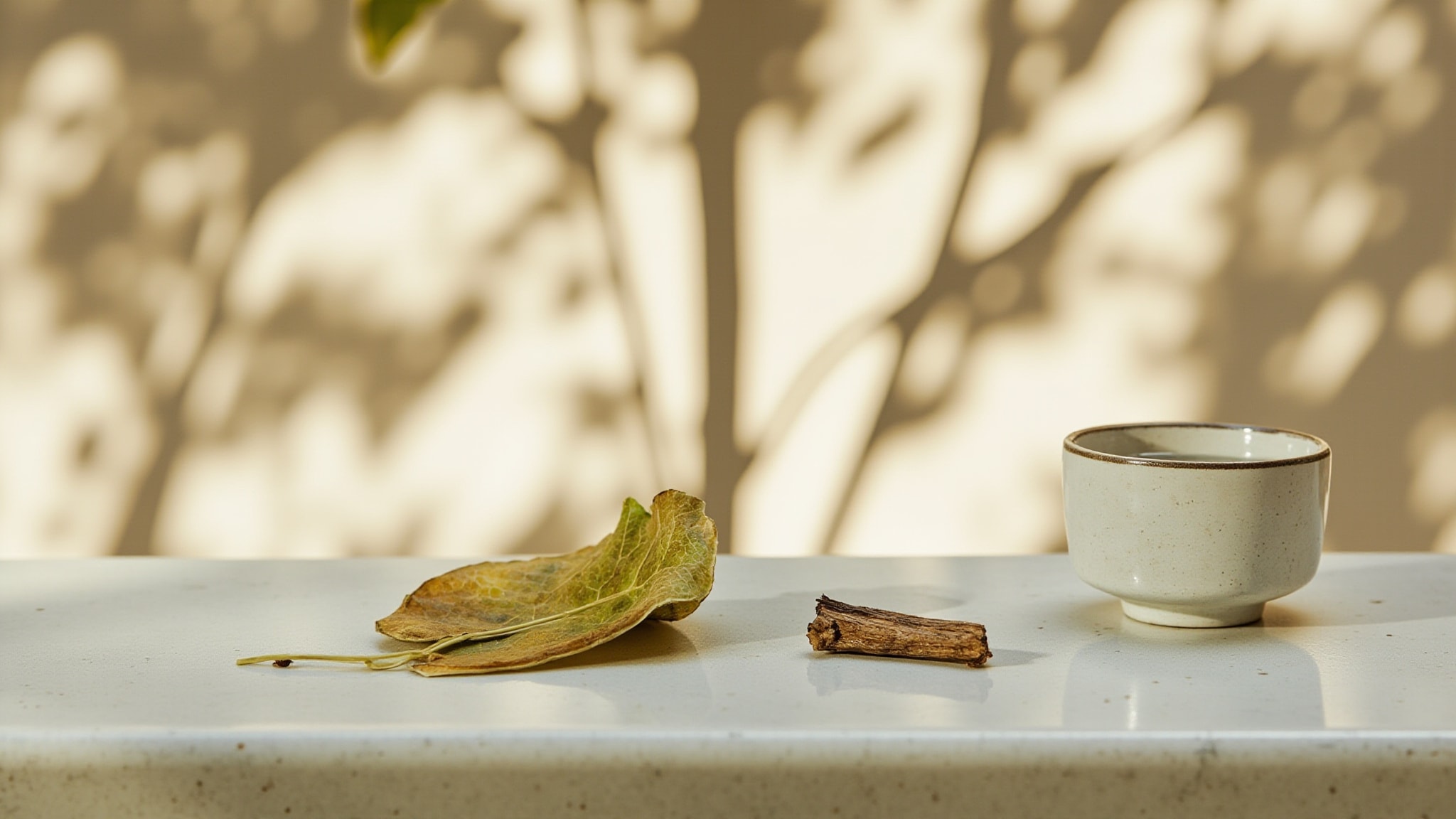
What's interesting here is the restraint. Figo Fogo skips the fruit entirely. There's no fig flesh in the pyramid, just the leaf and the wood, which gives the scent an entirely different gravity. On top, the fig leaf reads crisp and vegetal, with that familiar crushed-stem character that recalls a garden in high summer rather than a dessert plate. The heart turns to fig wood, a drier, more austere material that carries a quiet warmth without ever crossing into gourmand territory.
The evolution
The opening is unmistakably green, sharp even, like snapping a fig leaf between your fingers and getting that burst of sap and vegetal cool. There's a faintly bitter edge, the kind that makes you think of shaded courtyards rather than open orchards. Within 20 minutes the leaf green softens as fig wood starts pushing through, and the scent shifts from something living and chlorophyll-fresh to something older, more structural. The wood reads dry and slightly creamy, like sun-exposed bark that still holds a trace of moisture underneath. By the two-hour mark, white cedar takes over the woody character, bringing a clean pencil-shaving warmth that keeps the fig from ever tipping into sweetness. Musk arrives last and settles everything down to skin level, not loud, not projecting, just there.
Cultural impact
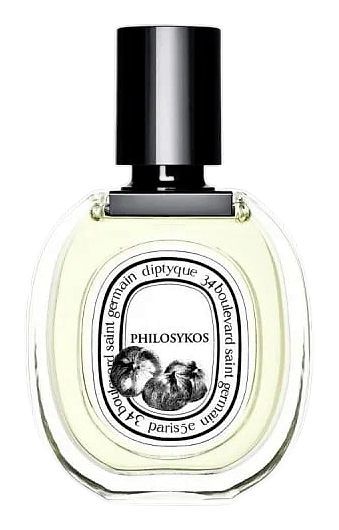
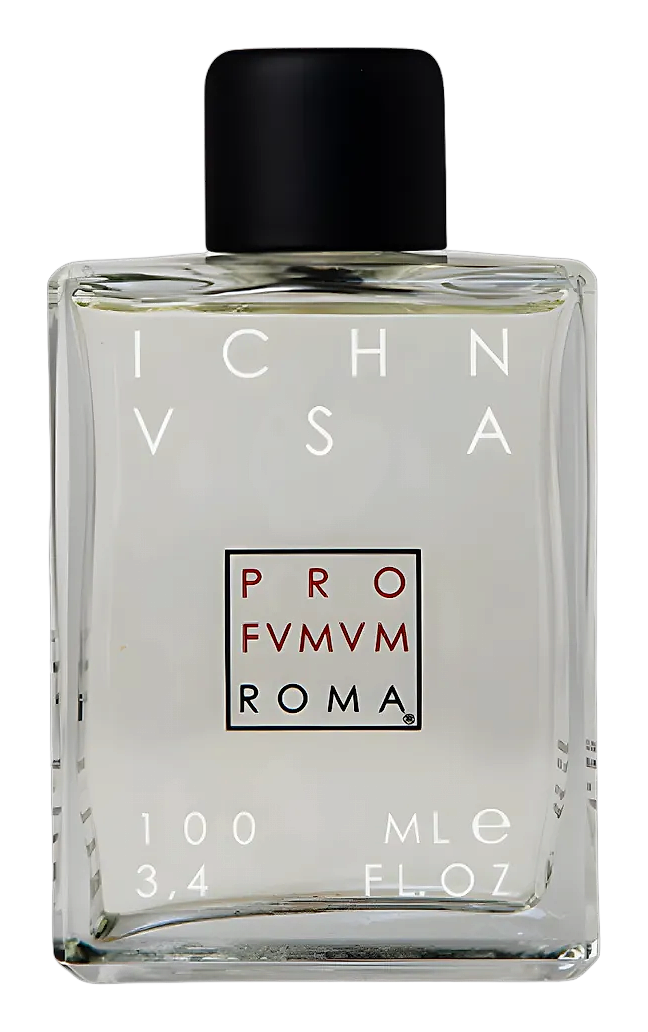
Figo Fogo enters a crowded fig-fragrance conversation that includes Diptyque's Philosykos, Acqua di Parma's Fico di Amalfi, and Profumum Roma's Ichnusa, and it earns its place by refusing to compete on sweetness. Where those compositions lean into fig's fruity, lactonic warmth, this one stays in the green-woody register, closer to shade than orchard. The composition reads as a study in restraint, a fig interpretation that prefers bark and leaf over flesh, and in doing so it carves out its own territory within a category that often defaults to gourmand sweetness.