
The Story
Why it exists.
The beginning
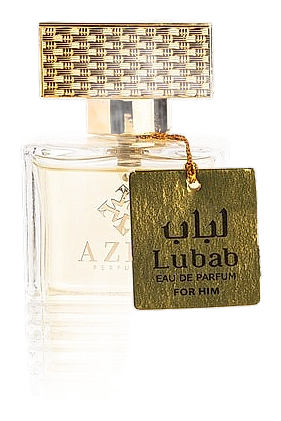
Lubab enters the Azha lineup as an expression of restraint and intention, designed to favor subtlety over statement. The name itself carries weight in its simplicity, suggesting something essential and foundational. The fragrance wasn't conceived for a dramatic entrance. It was designed to settle into skin and remain, becoming a quiet presence rather than a dominating one. Artemisia was chosen for its honesty; the herb arrives green and bitter, carrying the olfactory signature of dry heat and sparse ground. It doesn't soften its edges. Orris came next, serving as a bridge between that sharp opening and the warmth waiting below, its powdery violet character threading through the artemisia.
The architecture is deliberately spare, four materials, each doing distinct work. Artemisia leads with medicinal green, the kind of bitterness that clears the air before anything else arrives. It doesn't soften so much as make room. Orris root takes that space and fills it with powdery violet, the scent of dried iris that carries both earth and something almost floral underneath. Together, these two create a tension that defines the fragrance's first two hours: sharp and soft, green and powdery, bitter and warm. The base compounds that complexity by being simultaneously earthy and resinous. Patchouli brings its characteristic woodsy dampness, the smell of fallen leaves in a forest that only exists in memory.
The evolution
The opening is immediate: artemisia announces itself with clarity and purpose. It's green and bitter, the smell of herbs crushed between fingers, slightly medicinal. Not unpleasant, just honest. There's no sweetness here to ease the landing. For the first stretch of wear, this is what you get: dry, green, almost clinical in its precision. Then orris begins to emerge. The transition isn't dramatic. The powdery violet character of orris root rises slowly through the artemisia, softening its edges, adding warmth where there was only sharpness. This is the fragrance's most interesting phase, the moment when two opposing forces share the stage and create something greater than either alone. As time passes, artemisia gradually retreats, leaving orris as the dominant voice. The drydown belongs to patchouli and amber.
Cultural impact
Lubab occupies a distinctive space in the contemporary niche landscape: a fragrance that rewards patience rather than demanding attention. Its sparse architecture, four materials where others use twelve, reflects a philosophy that values restraint over complexity. The herbal-powdery structure sets it apart from many mainstream offerings, presenting a composed alternative to louder compositions. The bitter-to-warm trajectory asks something of its wearer, inviting them to experience the full arc of the scent rather than just an initial impression. This quality makes it stand out in a market often saturated with immediate gratification.