The Story
Why it exists.
The beginning
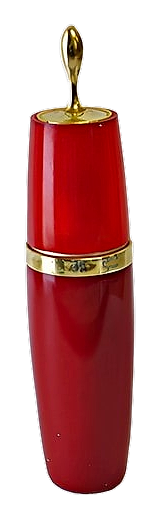
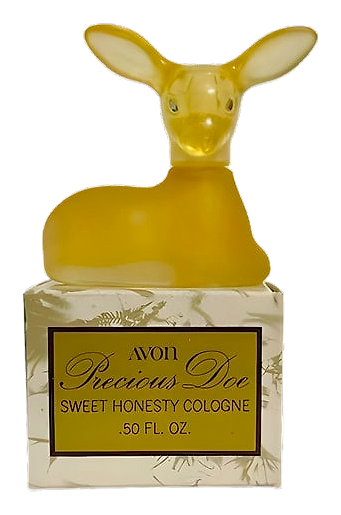
Precious Doe arrived in 1976 as Avon's special edition release of Sweet Honesty Cologne, the same DNA, a different bottle. Avon had built its business on door-to-door trust, neighbors recommending neighbors, scent as conversation. By the mid-seventies, that model was thriving. The aldehydic floral was the era's defining language, and Precious Doe spoke it fluently. Wildflowers suggested something natural and unstudied. Musk kept it close. The name itself carried intention: the quiet grace of a deer in a clearing, seen and not pursued. That was the idea. A fragrance that felt like a personal recommendation, not a billboard.
The aldehydes are the tell. They give Precious Doe that particular lift, a brightness that reads as clean, almost crystalline, before the wildflowers arrive to soften it. Without aldehydes, this would be a simple floral. With them, it gains that 1970s signature, the quality that makes vintage fragrance lovers lean in. The wildflowers add a herbal counterpoint, keeping the aldehydes from going too sharp. And the musk, the musk is what holds everything together. Close, warm, almost a second skin. The powdery finish is the payoff, the thing that lingers after the aldehydes fade and the wildflowers settle.
The evolution
Precious Doe opens with aldehydes doing exactly what aldehydes do, they sparkle. That bright, almost effervescent quality arrives first, the scent held high like someone entering a room with purpose. Within the first hour, the wildflowers move in. Not loud. A soft, natural presence that tempers the aldehydic sharpness into something more meadow than medicine chest. The musk develops gradually, settling close as the florals find their footing. By hour three, the aldehydes have retreated to memory. What's left is quiet, a soft musk that stays close to the skin, intimate and unobtrusive. The drydown isn't a statement. It's a whisper that someone was here, recently, and meant it.
Cultural impact
Precious Doe exists in the aldehydic-floral tradition that defined 1970s perfumery. It was never positioned as a luxury statement, Avon's model was neighbor recommending neighbor, scent as personal connection rather than status marker. The wildflower and musk combination gave it an approachable quality that fit that philosophy. While not a blockbuster collector's item, it has maintained a quiet presence among those who appreciate its vintage character and its connection to Avon's heritage line.