The Story
Why it exists.
The beginning
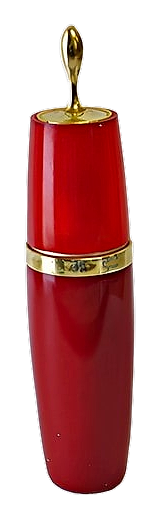
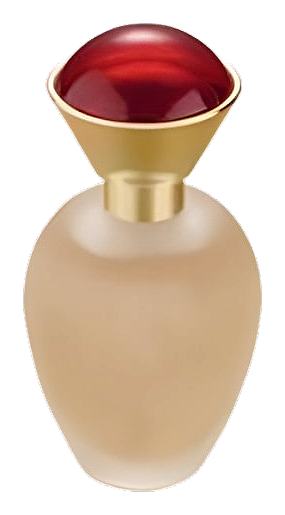
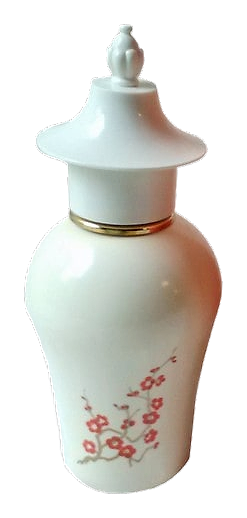
Avon launched Imperial Garden in 1973. The name itself is a statement, not a literal garden, but the idea of one. This fragrance offered a different character from many of its contemporaries, presenting a green, herbal quality through the inclusion of mate. The composition centers on this unusual note, which brings a sharpness and botanical quality rarely encountered in mainstream fragrances of the time. It represents an effort to move beyond the expected, creating something with a more distinctive and unconventional profile. The fragrance carries a certain confidence in its structure, allowing the herbal element to assert itself rather than recede into the background.
Mate brings a green, herbal, slightly bitter quality to this composition. It sits alongside floral notes not as decoration but as counterweight. Where florals might soften and round a fragrance, mate provides an edge. The result is a scent that steps away from conventional sweetness, offering instead a more textured experience. The interplay between these elements creates something that feels intentional and carefully balanced. This particular combination marks Imperial Garden as distinct within Avon's early catalog.
The evolution
The opening arrives green and fresh, with the mate note making its presence felt immediately. The herbal quality cuts through with a brightness that announces itself before other elements become apparent. As the fragrance develops, the floral heart begins to emerge, bringing warmth and dimension to the composition. The mate note does not simply vanish once the florals arrive; it remains present throughout, threading through the middle stages and maintaining its green character. The drydown settles close to the skin, taking on earthier tones as the hours pass. Reviews of vintage bottles indicate that the formula has remarkable longevity, with the scent persisting well into later wear.
Cultural impact
Imperial Garden occupies a distinct position among its contemporaries. Rather than following the prevailing trends in floral composition, it incorporated mate as a primary element, creating a fragrance with a more herbal, green character. The scent's structure suggests a departure from conventional approaches, prioritizing a botanical quality over simple sweetness. For those who encountered it, the fragrance offered something with real character, a scent that announced itself differently than the typical offerings of its era.