
The Story
Why it exists.
The beginning
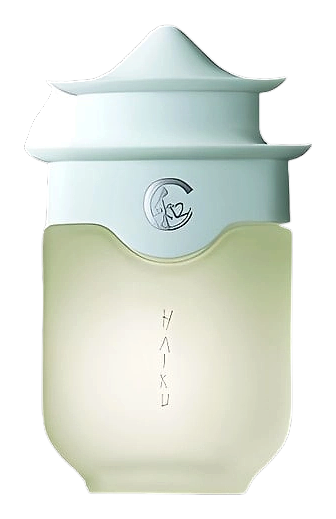
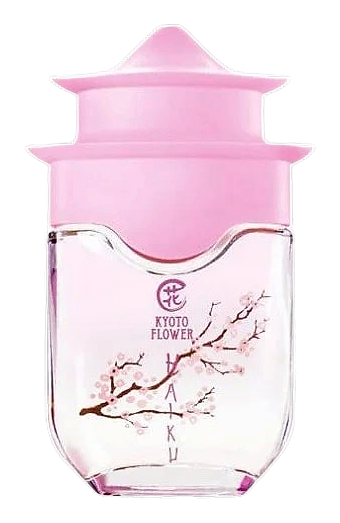
The name says everything. Kyoto, Japan, a city where gardens fit inside courtyards and temples hold their silence like water. Haiku, a form that asks everything of seventeen syllables and nothing more. The brief writes itself: restraint as a statement. Take three notes. Let each one breathe. Don't fight the air around it. The result is a fragrance that doesn't announce itself so much as settle into a room like it was already there. Violet leaf opens. White peony follows. Cotton musk stays. That's the whole poem. Avon built this as part of their Haiku collection, a line that has explored restraint across a dozen interpretations since 2007, each one asking what a fragrance looks like when it refuses to shout. Kyoto Flower answers: it looks like the moment you stop trying to be noticed and start being known.
What makes this structure interesting is what it leaves out. A three-note pyramid sounds thin on paper, but violet leaf, white peony, and musk form a complete gesture when given room. Violet leaf brings the green, that crushed-stem brightness that keeps florals from going static. White peony adds the body, the rounded sweetness that reads as clean rather than heavy. Musk grounds everything in something close to skin, not animal, not aggressive, just the memory of warmth. The freshness in the accords (freshozonic, aquatic) comes from that violet-peony interplay rather than from citrus or water notes. It's floral architecture that holds without scaffolding. That's harder to do than it looks.
The evolution
The opening arrives quietly. Violet leaf announces itself with a green, dewy note, not sharp, not synthetic, just the smell of something recently alive. It settles within the first twenty minutes as the peony takes over, unfurling slow and round and sweet. There's no dramatic transition here, no moment where one note hands off to another. They overlap, they soften, they become something quieter than either alone. The drydown is where cotton musk does its work. By hour three, it's the dominant presence, skin-warm and intimate, the kind of smell that only someone standing close will notice. The longevity sits around four to six hours depending on skin, and sillage stays moderate throughout. By hour six, what's left is the faintest trace of powdery warmth, like the scent of a room someone just left open.
Cultural impact
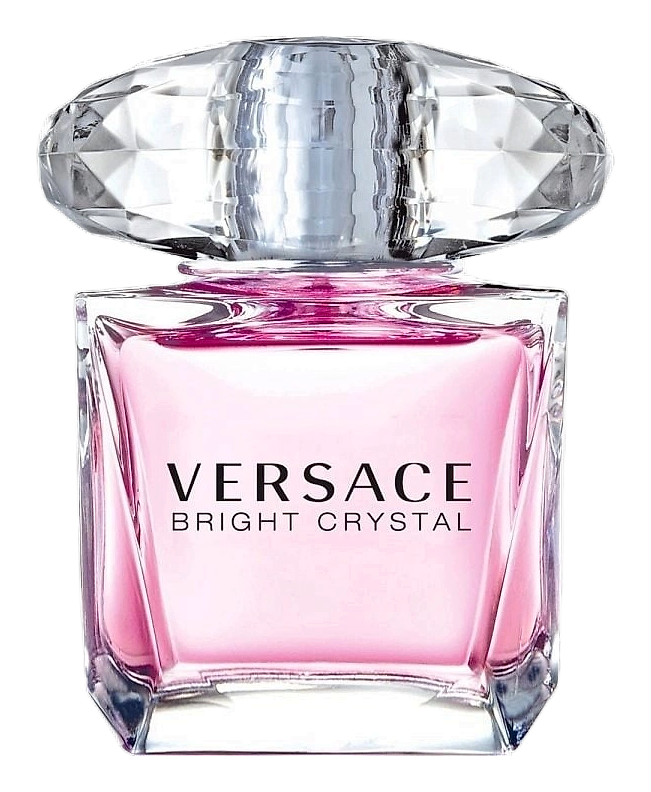
Kyoto Flower lives in the comfortable middle of Avon's Haiku collection, not the lightest, not the most intense. The brand has built a decade of variations on the same question: what happens when a fragrance refuses to compete for attention? Wearers gravitate toward this one when they want something inoffensive, nostalgic, and soft. It reads as familiar rather than fashion-forward, closer to the comfort of a well-loved beauty product than a statement piece. The peony-forward composition places it alongside Bright Crystal and Chloe Eau de Parfum in spirit if not in price, offering a similar airy floral without the luxury positioning.