
The Story
Why it exists.
The beginning
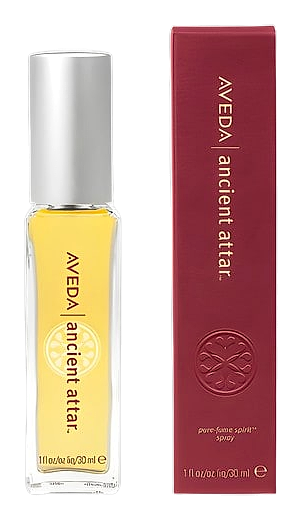
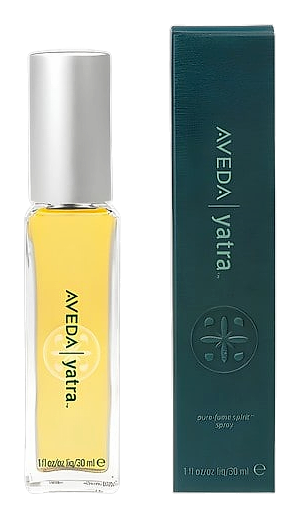
Yatra arrived in 2007, designed by perfumer Ko-ichi Shiozawa for a brand that has always treated fragrance as something closer to intention than indulgence. The fragrance itself draws from botanical traditions that echo the depth of Indian perfumery, with an olfactory architecture built around organic rose and lavender as its beating heart. The organic rose opens with a translucent freshness that feels almost petal-soft, while the lavender contributes a cool, herbal clarity that steadies the composition without sharpening it. Beneath these primary notes, Australian sandalwood provides a creamy, woodsy foundation that rounds out the blend and gives Yatra its lasting character.
What makes Yatra work is the way its materials don't compete, they defer. The lavender opens with clarity, almost medicinal, but the geranium softens it immediately into something floral rather than sharp. Bulgarian rose doesn't arrive swinging; it settles in slowly, warm and a little smoky, occupying the heart without announcing itself. The sandalwood isn't a base so much as a floor, Australian sandalwood, sustainably harvested, giving the whole composition somewhere to land and rest. The accords list calls it floral-smoky, and that's accurate, but it undersells how much the structure relies on restraint. Nothing here shouts. The smoke is gentle.
The evolution
The opening hits herbal and clear, lavender leading with that cool, almost camphoraceous lift that Aveda has always favored in its botanical work. Within the first few minutes, geranium arrives to soften it, turning the sharpness into something more floral and rounded. Bulgarian rose takes its time. It doesn't crash the opening; it emerges once the lavender starts to settle, adding warmth and a faint smokiness that catches you off guard if you're expecting the brand's typical clean-cotton energy. The drydown is where Australian sandalwood asserts itself, creamy, woodsy, and surprisingly persistent. As the top notes fade, the sandalwood anchors the composition with a rich, buttery smoothness that lingers close to the skin, creating an intimate trail that reveals itself in waves as you move through the day.
Cultural impact
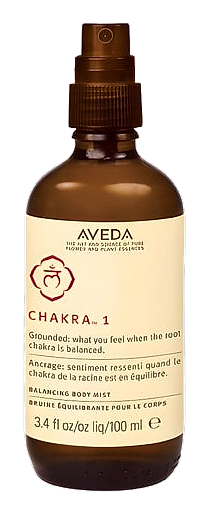
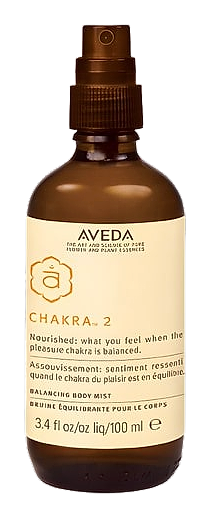
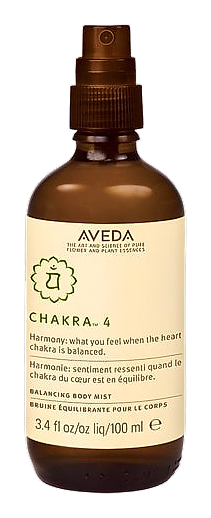
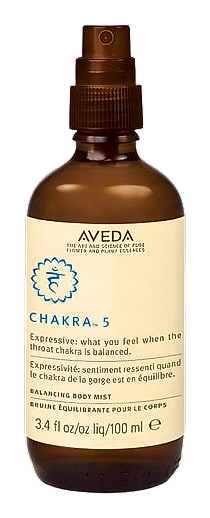
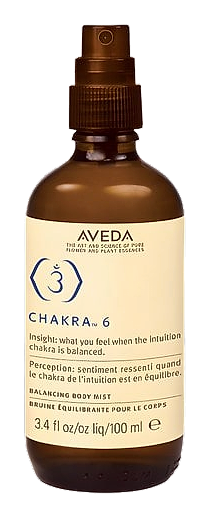
Yatra arrived as a single path in a catalog that included the Chakra series. Where the Chakras offered multiple expressions with their own distinct characters, Yatra presented itself more quietly, without the numbered ritual structure that had defined earlier releases. Comparisons tend to land on Clinique Aromatics Elixir or Lush Karma, though Yatra reads quieter than both, favoring a refined botanical presence over bold statement.
The House
AvedaAveda entered the fragrance world in 1978 when Austrian-born founder Horst Rechelbacher established the brand in Minnesota. The name derives from Sanskrit, translating to "all knowledge." The company operates an in-house perfumery, one of the few beauty brands creating fragrances on-site with dedicated perfumers. Aveda developed its first perfume, Aveda Love, in 1980 and later introduced the Key Elements collection in the 1980s, followed by the Chakra series in 2000. Yatra arrived in 2007, drawing inspiration from the Indian subcontinent. The brand portfolio spans pure-fume concentrates, aroma sprays, and lighter colognes, all built around botanical formulations.
The Creator
Ko-ichi ShiozawaShiozawa's precise stylistic signature remains somewhat private, as limited public documentation exists of his specific compositions. His Japanese training grounds suggest familiarity with the precise, clean aesthetic often associated with Japanese perfumery, while his years i…