The Story
Why it exists.
The beginning
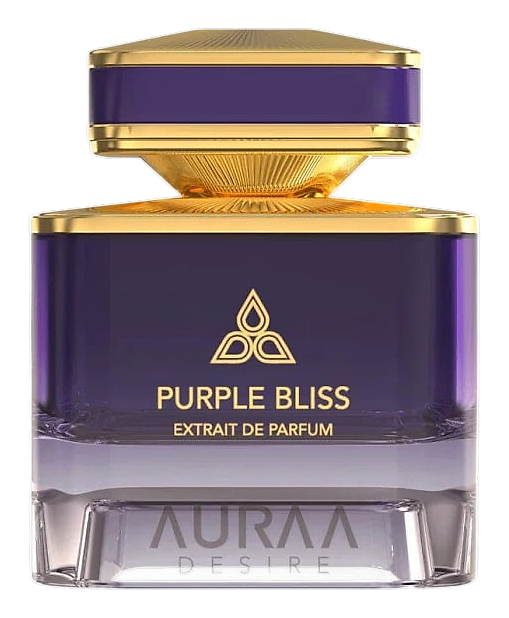
Purple Bliss arrived in 2024 as part of Auraa Desire's Classique Collection. The composition reads oriental, built around a structure that balances fruit, floral, and resinous elements without tipping into any single category. It's positioned as an extrait de parfum within the Auraa Desire lineup. The brand marketed it as capturing the interplay of devotion, peace, and power, a triad that hints at the emotional arc the perfumer was chasing. Rasasi, the parent house behind the Auraa Desire sub-brand, produces across multiple lines that span different price points and stylistic approaches.
What's distinctive here is the pairing of osmanthus with akigalawood. Osmanthus brings a fruity, apricot-leather sweetness that catches light rather than throwing it. Akigalawood, derived from patchouli, adds a woody, slightly cocoa-dusted depth without the earthiness raw patchouli can carry. Together they create a middle-to-base transition that feels considered and deliberate. The saffron in the opening adds a leathery warmth that sets up the violet's powdery facets, and the interplay between osmanthus's fruit and violet's floral softness gives the heart a multidimensional quality.
The evolution
On skin, Purple Bliss opens with a quick hit of mandarin brightness laced with saffron's dry warmth, reading almost as a candied citrus with a metallic edge. That top accord gives way as osmanthus and violet take over, softening everything into a plush, fruity-powdery phase that sits close to the skin. The osmanthus's apricot-like quality blends with violet's softer, more confectionary facets, creating a heart that feels both luminous and grounded. The akigalawood begins surfacing in the later stages of wear, grounding the composition with a dry, slightly cocoa-like woodiness that tempers the earlier sweetness. As the hours pass, the immortelle emerges with its maple-curry sweetness, blending into the akigalawood for a warm, resinous close that lingers on fabric and skin long after the spray has faded.
Cultural impact
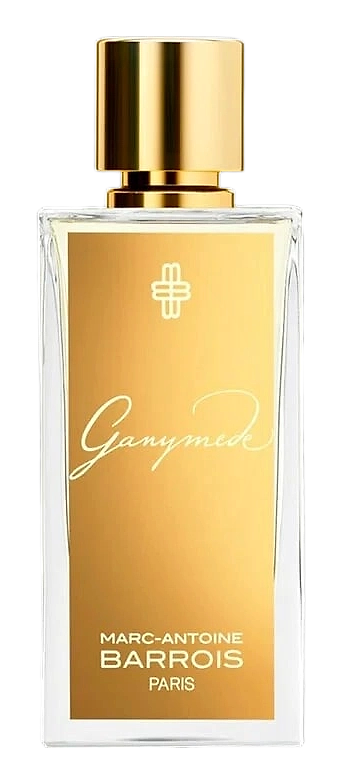
Purple Bliss has drawn comparisons to Ganymede by Marc-Antoine Barrois, appearing in similarity listings on fragrance databases where users note the shared clean, mineral-tinged character beneath an oriental surface. The Ganymede comparison highlights an interesting tension in Purple Bliss's profile: it's classified as an oriental, yet it carries facets that read cleaner and more translucent than what that label typically implies. Projection and longevity are noted as above-average, suggesting the fragrance performs with presence without requiring constant reapplication.