The Story
Why it exists.
The beginning
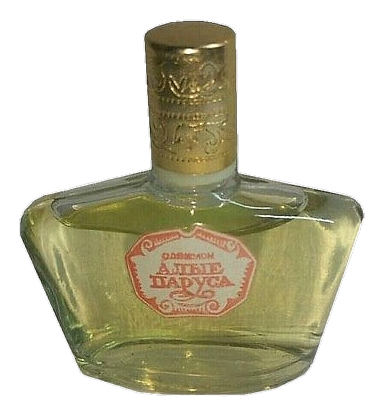
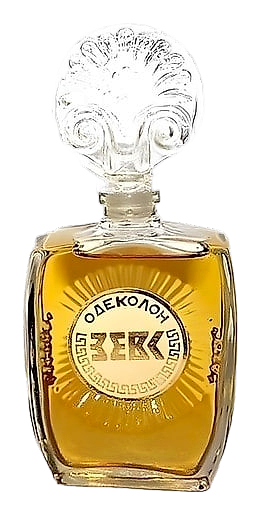
Zeus arrived in 1980, created by Victoriya Rudyavskaya for the Soviet house Alye Parusa. The name belongs to a tradition of literary and classical references, Scarlet Sails from Alexander Green's novella, Lighthouse Lights, The White Sail. Zeus fits the pattern: Greek mythology translated into Soviet fragrance vocabulary. But choosing that particular name meant something. In a state system where luxury was suspect and individuality was subsumed into collective identity, naming a perfume after the king of the gods was a quiet assertion. Not of ego, of mythology itself surviving in a place that officially had no use for it.
The note pyramid is where the real story lives. Lavender leads, expected for a masculine scent of that era. Galbanum and geranium follow, green and resinous, keeping things sharp and herbal. Then the surprise: gardenia in the heart. Gardenia is not a masculine note. It's tropical, creamy, almost indolic, a white floral that belongs in vintage women's fragrances, not in a fragrance named after a sky god. But here it is, threaded through heliotrope and carnation, adding a powdery sweetness that the base extends with coumarin, patchouli, and sandalwood. The effect is a scent that refuses to be fully one thing. Aromatic, yes. Woody, yes. But also floral. Also powdery. Also slightly sweet.
The evolution
The opening announces itself with lavender's cool herbal bite, sharp and immediate, like crushed stems. Galbanum adds a green resinous edge, almost medicinal. Geranium follows, bringing a rosy-green nuance that lifts the top without softening it. The hand-off to the heart is gradual. Gardenia emerges slowly, creamy and tropical, its white floral sweetness in direct tension with the green opening. Heliotrope deepens the softness with vanilla-almond undertones. Carnation adds warm spice, clove-like but restrained. The heart reads powdery, unexpected for a masculine scent, but that's the point. It softens without losing presence. The drydown settles into woody territory: sandalwood's creamy warmth, patchouli's earthy depth, musk's skin-like closeness. The entire powdery-aromatic structure holds close to the skin, intimate rather than projecting, fading gradually into quiet skin presence.
Cultural impact
Zeus stands apart in the Soviet masculine canon. While most 1980s men's scents leaned into fougère conventions or, later in the decade, aquatics, this one took a risk with gardenia in the heart. The powdery-aromatic structure reads as feminine by contemporary standards, and probably did in 1980 too. That's the point. For collectors of Soviet perfumery, it's a case study in how state-manufactured fragrances could subvert expectations within their own constraints. Not a revolution. A quiet insistence that men could smell soft too.
The House
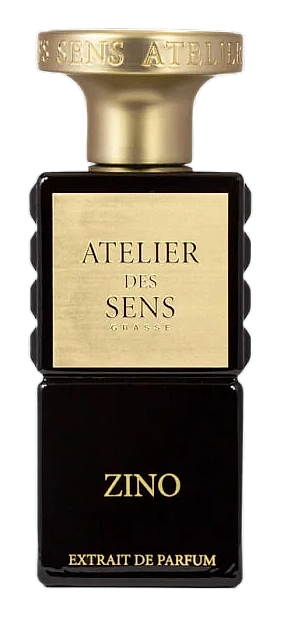
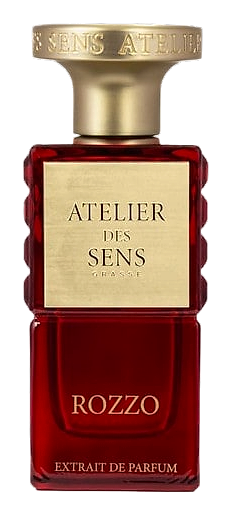
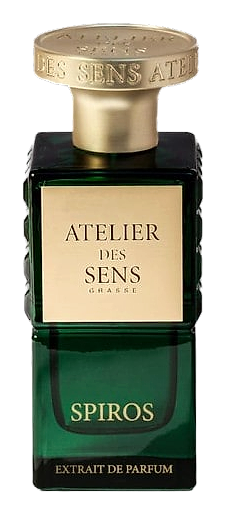
Atelier Des SensAtelier Des Sens is a fragrance house rooted in Grasse, the historic town in the south of France long recognized as the epicenter of European perfume-making. The house crafts artisanal fragrances inspired by the traditions of Haute Parfumerie, drawing on the rich botanical heritage of the Grasse region. In 2024, Atelier Des Sens launched its Extrait de Parfum collection, introducing three distinct scents: Zino, Rozzo, and Spiros. Each fragrance is handcrafted within the region, reflecting the house's commitment to small-batch production and the expertise accumulated through generations of perfumery knowledge in this particular corner of Provence.
The Creator
Victoriya RudyavskayaHer signature lies in the soft-focus floral, compositions built around white and golden petals anchored by gourmand or nutty undertones. Orange blossom appears as a recurring anchor, lending her work a radiant, almost skin-like quality.