Heritage
A house, in its own words
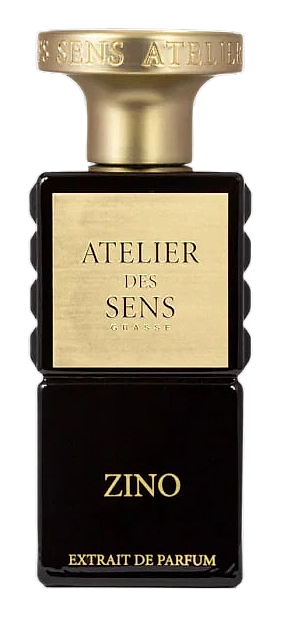
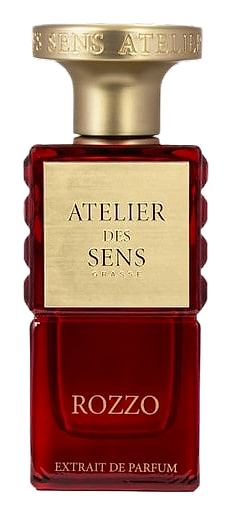
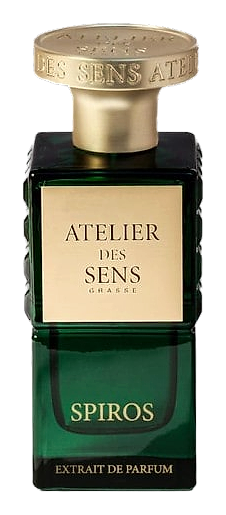
Grasse has served as the heart of French perfumery for centuries, its favorable climate enabling the cultivation of fragrant flowers like jasmine, rose, and lavender that form the backbone of classical French fragrances. Atelier Des Sens emerged as part of this living tradition, establishing itself as a workshop dedicated to artisanal fragrance creation in this storied territory. While the brand does not publicly disclose its founding date, its public-facing materials frame it as a continuation of Grasse's historical perfumery legacy rather than a recently invented entity. The house positions itself within the lineage of Haute Parfumerie, though specific historical records confirming its place in that lineage remain limited in publicly available sources. The 2024 launch of its Extrait de Parfum line marked a notable expansion, bringing three new compositions into the market under the Atelier Des Sens name. References to ancient perfumery traditions appear throughout the brand's messaging, though these should be understood as aspirational framing rather than documented genealogical claims. Atelier Des Sens approaches fragrance as an act of composition where the scent itself represents only one dimension of a larger narrative. The brand emphasizes that a fragrance gains its full meaning through context: the season, the occasion, the presence of the wearer. This contextual framework suggests a philosophy where perfume functions not as standalone luxury but as an element integrated into lived experience. The house describes its creative process as one where composition meets character, suggesting that technical formulation and expressive identity must align in each fragrance. The Grasse setting is central to this philosophy, with the region's history and sensory landscape serving as both inspiration and material foundation. Atelier Des Sens frames its work as capturing something essential about human emotion through scent, though this ambition remains broadly stated rather than articulated through specific olfactory commitments or recognizably unique creative principles.