The Story
Why it exists.
The beginning
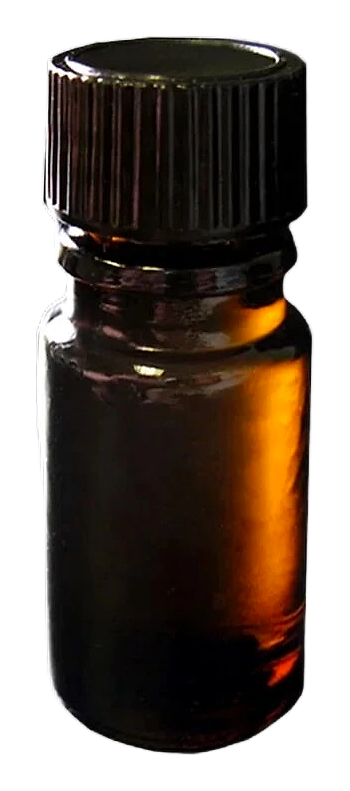
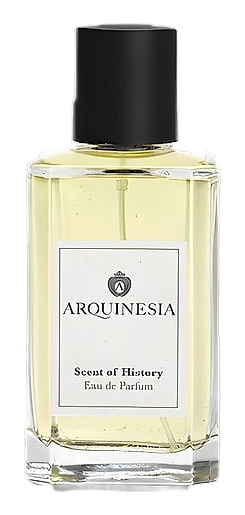
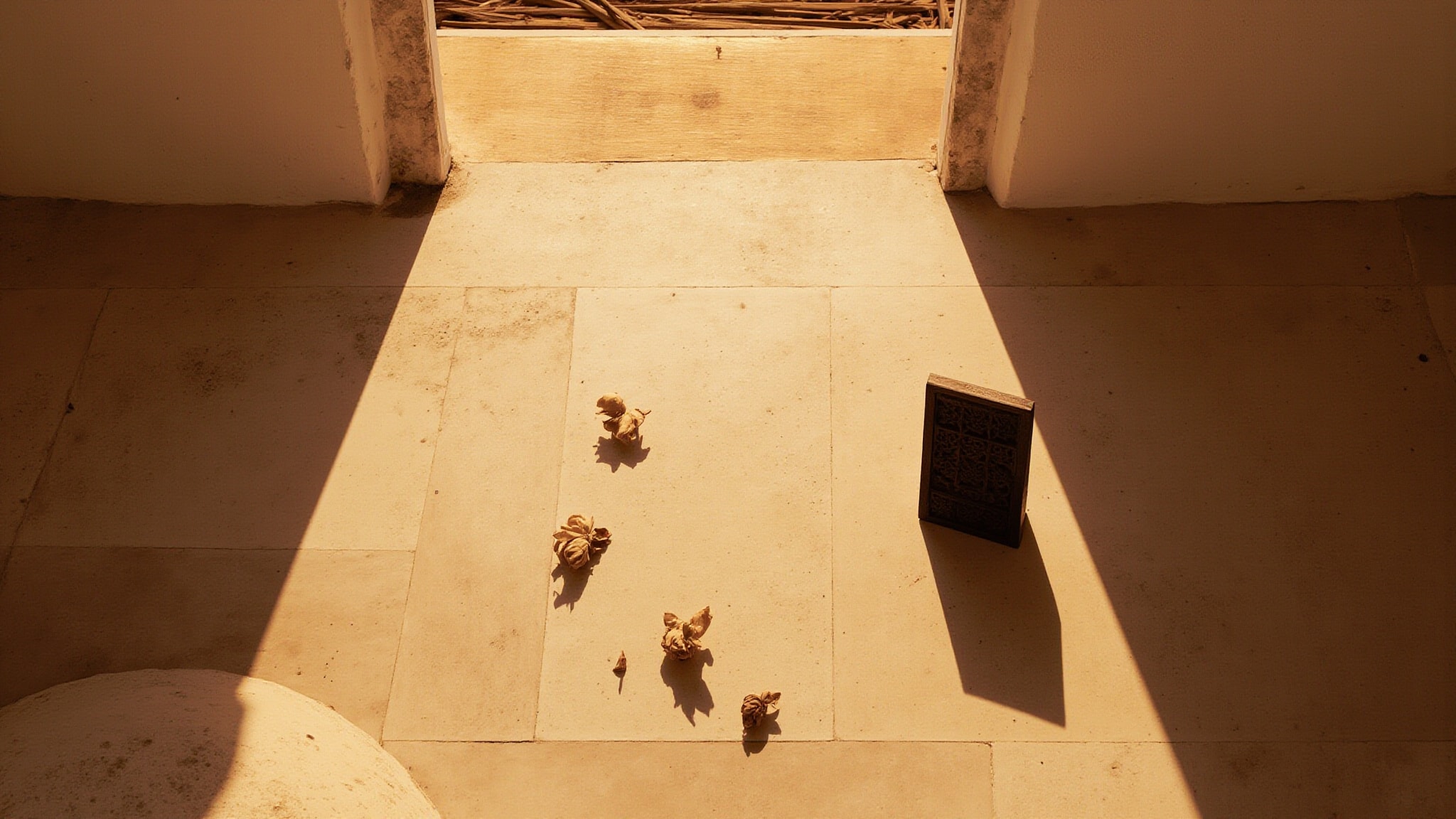
Scent of History began with a single question: what does the past smell like? The Balearic Islands carry centuries of layered history, Moorish architecture, arched doorways, stone courtyards, the faint memory of incense in morning air. The founder wanted to translate that layering into fragrance. Not a recreation. An echo. Working with a perfumer, the balance between warm spice and smoky depth was carefully sought. The result is a scent that moves quietly through its phases, never announcing itself, but impossible to forget once it settles into skin.
The architecture of this fragrance mirrors its namesake. The scent layers cardamom's bright spice, frankincense's sacred smoke, and oud's dark complexity into something that feels both ancient and wearable. The patchouli and amber add earthiness and warmth without sweetness, this isn't a comfortable fragrance, it's a contemplative one. The cedar base keeps everything dry, grounded, Mediterranean. It's the difference between visiting a historical site and actually living there. This scent makes you feel like you stayed.
The evolution
The opening announces itself with cardamom's bright spice, immediately joined by frankincense smoke that feels clean, almost sacred. Not aggressive incense, but the kind that suggests centuries of ritual. The oud arrives to darken the composition. The patchouli adds its earthy counterweight, sweet and grounded, preventing the smoke from becoming sharp. The amber softens the edges without sweetening them. Then the cedar settles in, dry, quiet, the last light through ancient stone. On skin, the sillage is moderate, present in the first hours and intimate afterward. On fabric, the frankincense can linger.
Cultural impact
As a 2025 release, Scent of History is too new for established cultural positioning. But the direction is evident: this is for someone who finds luxury in atmospheric essence rather than loud presence. Early community responses align it with Mancera's Eternal Wood for its oud presence, and with L'Artisan Parfumeur's Timbuktu for its woody-spicy restraint. The natural fragrance positioning, crafted from essential oils and organic raw materials, speaks to a growing wearability among those who want complexity without synthetic heavy-handedness.