The Story
Why it exists.
The beginning
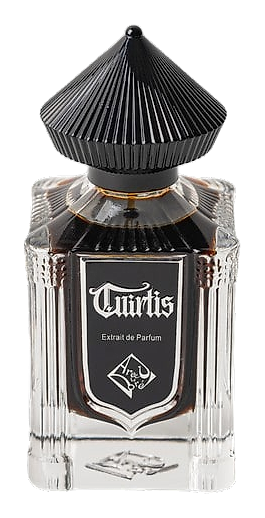
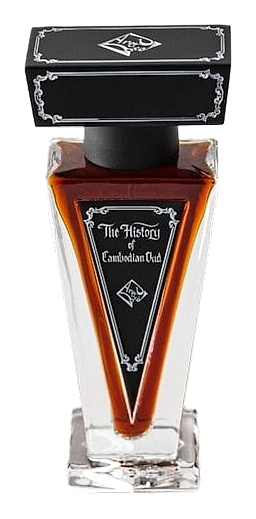
The History of Cambodian Oud arrived in 2023 as part of Areej Le Doré's ongoing exploration of regional oud traditions, a series that traces agarwood back to its geographic and cultural roots. Russian Adam, the perfumer behind the house, built this release around a specific idea: what does true Cambodian oud smell like when it's given room to breathe? The name isn't decorative. It points directly at the raw material, Cambodian agarwood, and the centuries of distillation practice that material carries with it. Part of The History of Oud Collection, the fragrance sits alongside companion pieces dedicated to Indian, Indonesian, and Kinam oud, each one a study in terroir. The composition itself is spare in construction, a single-material focus that lets the agarwood carry the entire weight.
What separates this from the flood of oud oils on the market is the question of authenticity. ClaireV's review draws a sharp line between genuine Cambodian oud and what's called Cambodi-style, the latter being oils that approximate the profile without sourcing from the actual trees. Areej Le Doré's approach gives the material a chance to express its real character without being smoothed over or reshaped into something more commercially palatable. The result is a composition built around a single note that does most of the heavy lifting.
The evolution
The first hour is all fruit. Dark cherry, almost jam-like, with a metallic glint that some will recognize as the signature edge of vintage Cambodian material. It sits close to the skin, not projecting much, but dense with information. Around the two-hour mark the fruit softens. The oud underneath starts to show its animalic side, warm, slightly leathery, with a dry barnyard note that old-school collectors call "the good stuff." By hour four the composition has settled into a woody base. The cherry fades first, then the sharp metallic top notes, leaving behind something that reads as aged agarwood at its most fundamental: warm, dry, and unmistakably animalic in character. The composition earns a loyal following among enthusiasts who appreciate its restraint, and it remains respected by collectors who value the older style of Cambodian distillation.
Cultural impact
Part of The History of Oud Collection, a series of regional studies that includes companion releases for Indian, Indonesian, and Kinam agarwood. The collection appeals to serious oud collectors who already know the difference between genuine Cambodian material and modern approximations. Each release in the series functions as a focused exploration of a particular agarwood tradition, tracing the material back to its geographic source and allowing the regional character to define the composition. This approach has resonated with enthusiasts who have moved beyond introductory oud oils and want to engage with the material on its own terms.