The Story
Why it exists.
The beginning
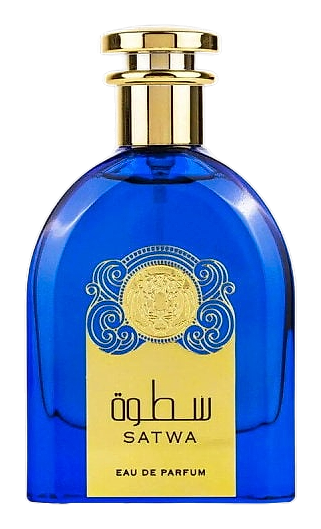
Satwa is named for a neighborhood in Dubai where old Arabian heritage sits comfortably alongside modern life. In 2018, Ard Al Zaafaran released this fragrance as part of an early catalog that included Attar Al Shuyukh. The name Satwa translates roughly to authority or influence, a quiet power, not a shout. The goal was a fragrance that felt unmistakably Arabian in its construction, yet open enough to travel.
The note structure here does something interesting: vanilla and caramel on top, patchouli and sandalwood at the base. Sweet against earthy. The gourmand opening could easily become one-dimensional without that grounding. What makes it work is the patchouli arriving exactly when the sweetness risks becoming cloying. It's the same reason a salted caramel exists.
The evolution
The opening is immediate. Vanilla and caramel arrive together, warm and sweet, almost syrupy in the first thirty minutes. No hesitation, no waiting. By the second hour, the white musk and amber move in, softening the confection-like edge into something warmer, more composed. The drydown belongs to patchouli and sandalwood, earthy, woody, skin-close. This is where Satwa earns its longevity. Eight to ten hours on most skin types, with sillage that stays intimate rather than filling the room. The fragrance doesn't announce itself. It lingers.
Cultural impact
Satwa has built a reputation as a reliable performer at an accessible price point. Wearers consistently cite its longevity and value, with reviewers noting it performs well beyond what its price suggests. The fragrance occupies a space where Arabian heritage and everyday wearability intersect, a scent that doesn't require occasion but rewards consistency.