The Story
Why it exists.
The beginning
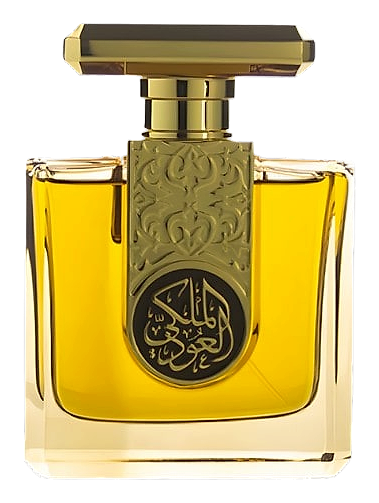
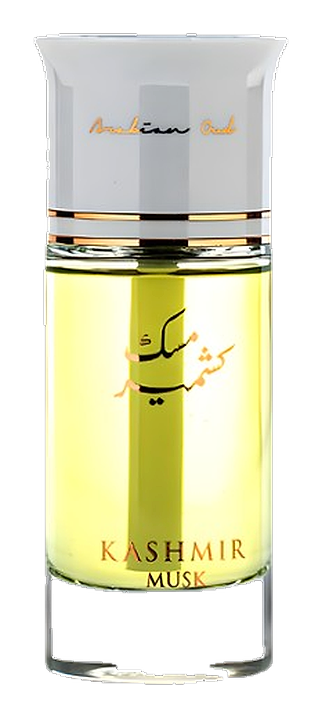
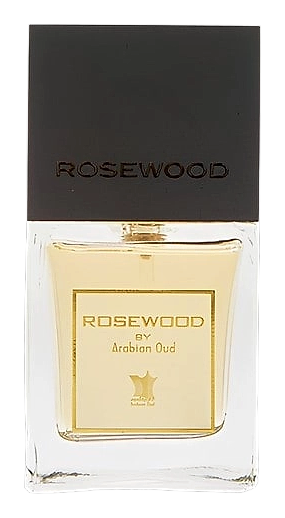
Rare Cambodian Oud comes from Arabian Oud, a house dedicated to a single obsession: making oud accessible without diluting it. The company grew around a devotion to traditional perfumery, building its presence through an insistence on working with real wood rather than reconstructed accords. This particular expression is a study in restraint. Rather than layering Cambodian oud beneath florals or modern musks, the fragrance lets the wood speak almost alone. The name is the brief: rare, geographically specific, traditional in its bones. It's built for the wearer who already knows what oud is supposed to smell like and wants nothing dressed up around it. The composition keeps its supporting cast deliberately thin.
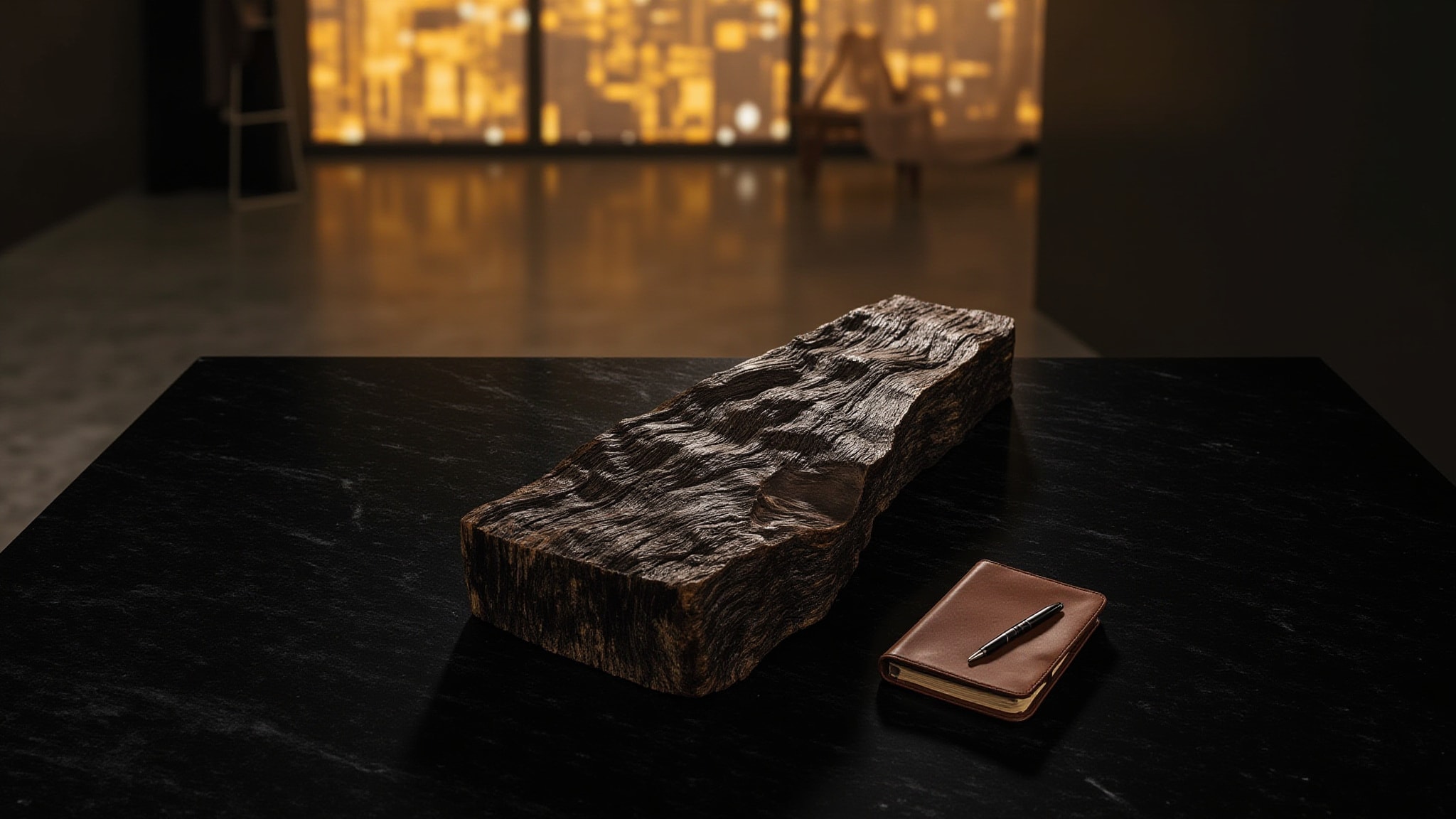
Cambodian oud carries a particular fermented depth, the kind of earthy, almost animalic character that defines the most sought-after agarwood expressions. The resinous quality tends to read as dense and honeyed, with that familiar barnyard tension that serious oud wearers look for and recognize immediately. It's a profile shaped by the conditions in which the wood develops, and the result on skin is unmistakable: heavier, darker, and more meditative than lighter regional varieties. The woody supporting notes in this composition exist to frame the Cambodian oud, not compete with it.
The evolution
The first hour is dense and almost meditative. The opening reads smoky and resinous from the first spray, with very little of the bright citrus lift that many modern fragrances use as an entry ramp. The Cambodian oud arrives almost immediately, dark and slightly medicinal, and the woody accord underneath it hums rather than shines. There's a weight to those opening minutes that signals immediately what kind of fragrance this is, something built to be lived in rather than performed. By the second hour, the animalic quality starts to surface more openly. There's a warmth here that doesn't smell like vanilla or amber, it smells like skin, like the inside of a leather jacket left near a heater. The smoke softens but doesn't leave. It weaves itself into the background of the composition, becoming part of the texture rather than a top-layer effect.
Cultural impact
Rare Cambodian Oud sits in a tradition of pure-wood expressions that Arabian Oud has long championed. It appeals to wearers who want oud presented without modern concessions, and to collectors who specifically seek out Cambodian-sourced agarwood for its distinctive resinous character. The fragrance doesn't reach for novelty or trend-chasing, and that restraint is part of its appeal within a market often saturated with sweetened, accessible takes on traditional materials. The composition reflects a broader philosophy about how oud should be experienced.