
The Story
Why it exists.
The beginning
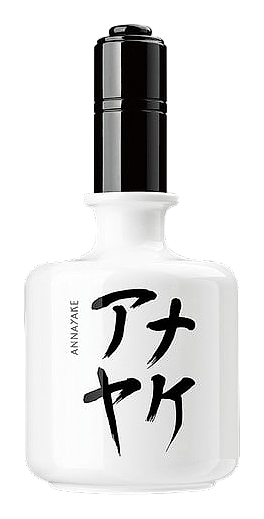
Shiroi arrived in October 2014 as half of a duo. Kuroi, the other half, came in black. The pairing was deliberate: Annayake has always been interested in contrast as a form of completeness. Where Kuroi is shadow, Shiroi is light. The name itself carries Japanese resonance, white, purity, the clean surface of things. The white flacon makes this literal. This is a fragrance about restraint worn as a statement, not an absence of one.
What makes Shiroi interesting is its refusal to arrive. Most fragrances announce themselves with force, here's what I am, take it or leave it. Shiroi opens bright, almost delicate, then settles into something that takes fifteen minutes to fully register on skin. The ylang-ylang does the work of bridging citrus and florals, so there's no harsh transition, no awkward adolescence. May rose adds a powdery warmth that feels intentional rather than accidental. It's a composition built for people who find strength in softness.
The evolution
The opening is Mandarin and Neroli, citrus that sparkles without sharpness. The neroli adds a floral freshness that keeps it from reading as mere cleaning product. Thirty minutes in, the white flowers take over: ylang-ylang and may rose in a slow unfurl that surprises with its gentleness. Some reviewers expected more, expected something bold and oriental, but what arrives instead is powdery, warm, close. The drydown is where Shiroi earns its reputation. Musk and woody notes settle into skin, becoming something that smells like skin but better. Lasts six to eight hours, intimate throughout.
Cultural impact
Shiroi arrived at a time when Western perfumery was trending toward statement scents, loud projections, and Instagram-bait bottles. Annayake, a Japanese brand founded by a former cosmetics executive, offered a quiet alternative rooted in Japanese cultural values of restraint, balance, and understated sophistication. The Shiroi-Kuroi duo represented a philosophical statement about duality that resonated with consumers seeking meaning over marketing. This fragrance belongs to a lineage of Japanese-influenced Western releases that prioritized subtlety over sillage, challenging the assumption that a great perfume must announce itself. Shiroi carved space for a generation of skin-close, intimate fragrances that value presence over performance.