The Story
Why it exists.
The beginning
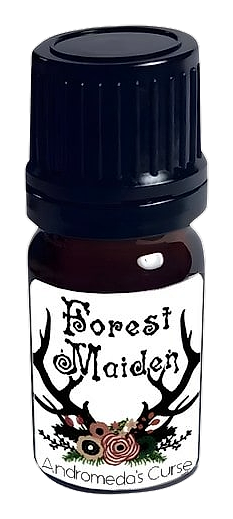
The Maiden of the title reads less like a Disney dryad and more like a figure from old folklore, someone older than the woods themselves. Wormwood and absinthe open with a green bitterness that has nothing to do with sweetness or charm. There's an almost medicinal edge to that opening, the kind of green that stings the back of the throat rather than soothing it, closer to a tincture than a tea. Berries arrive second, tart and fleeting, as if foraged in passing, a flash of red fruit that interrupts the herbal austerity before vanishing back into the green. Oakmoss and cedar close the door behind you, damp and resinous, woody in a way that feels rooted rather than polished. The composition reflects a kind of seriousness.
What makes Forest Maiden unusual is its refusal to soften the bitter material. Wormwood and artemisia, the plant family behind absinthe's notorious bite, carry the opening without apology. The wormwood has that particular cool sting, a herbal sharpness that reads more like medicine than like a gentle infusion, and it sets the tone before anything else has a chance to intervene.
The evolution
The opening minutes are all wormwood, sharp and herbal, almost medicinal, the way a strong herbal tincture smells before anything sweet gets added. Then the berries crack through, tart rather than sweet, a quick interruption of red fruit before they fade again. They don't last long, but they leave a memory behind. The oakmoss arrives next, damp and cool, and the cedar leaves settle in alongside it, giving the heart a resinous quality that reads like the air inside a dense grove. The wormwood doesn't vanish entirely; it hums underneath, that bitter green still threading through the woods like a persistent vine. Eventually the woods win. Sandalwood and cedar take over, warm now rather than green, and the wormwood recedes to a distant bitter hum underneath.
Cultural impact
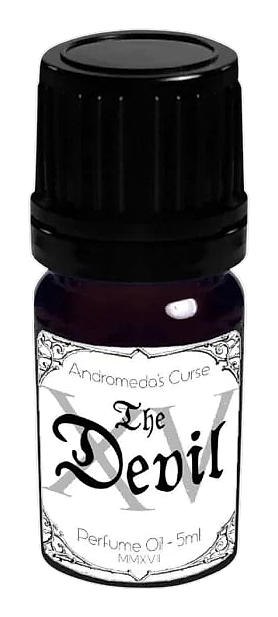
Forest Maiden found its audience among indie fragrance collectors who gravitate toward green and atmospheric compositions, particularly those drawn to the house's tarot-and-mythology aesthetic. Within the Andromeda's Curse catalog it stands as a scent that wears its seriousness openly, a bitter herbal green that refuses to sand down its edges for wider appeal. Wearers tend to describe it as ceremonial and serious, a forest with intention rather than charm, and it carries a dedicated following among those who treat fragrance as storytelling rather than accessory.