
The Story
Why it exists.
The beginning
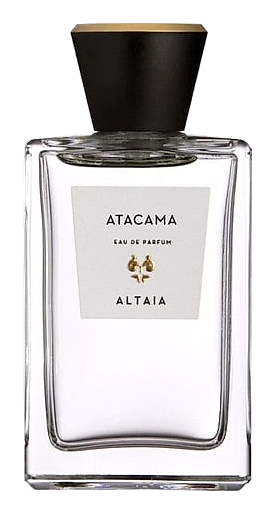
Atacama is the highest desert on earth, a place where rain is scarce but not absent. When it comes, seeds that have waited underground for months awake and the landscape turns pink with flowers. ALTAIA named this fragrance for that patience, that faith in the moment that arrives on its own terms. The inspiration stretches beyond the Argentine border into the Northwest, where the desert changes color with the seasons, white salt flats becoming something else entirely when moisture finally touches them. This is a fragrance about waiting without anxiety. About the exhale before the good news arrives.
The note structure is unusual: salt as the anchor, then white florals that arrive without apology. Jasmine and freesia push through the marine quality rather than waiting politely behind it. Clary sage adds an aromatic counterweight, herbal, slightly bitter, the kind of green that keeps the sweetness honest. Tonka bean and cashmere wood form the base, adding warmth and that particular softness that makes a fragrance feel worn rather than applied. The tension between salt and sweetness, between marine and vanilla, is where Atacama lives.
The evolution
The opening hits first, salt and something almost ozonic, like the air before a storm. Within twenty minutes, jasmine pushes through. The marine quality doesn't disappear but it softens, becomes part of the background rather than the foreground. The heart lasts longest, 3-4 hours of white florals balanced by clary sage's herbal edge. Then the drydown: tonka bean's vanilla warmth arriving quietly, cashmere wood holding everything together. By hour six, Atacama is skin-close. Intimate. The kind of scent someone notices only when they're standing close enough to matter.
Cultural impact
Atacama sits in an unusual position: a marine fragrance that doesn't chase the ocean. Named for the driest place on earth, it offers salt without brine, florals without sweetness overload, and a warmth that earns its place rather than announcing it. The community is divided on whether it reads synthetic or simply unconventional, that ambiguity is part of its appeal.