The Story
Why it exists.
The beginning
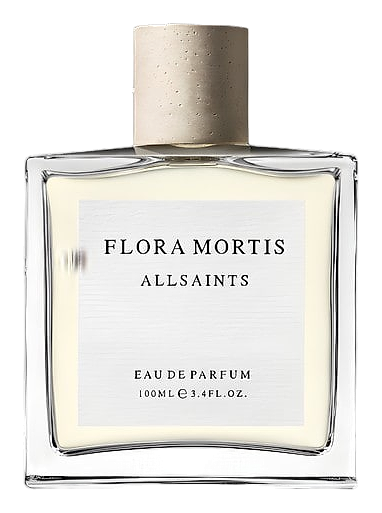
Flora Mortis arrived in 2019. The name is Latin, flora (plant life) twisted into something with teeth. It doesn't introduce itself at a party. It notices you from across the room and doesn't look away.
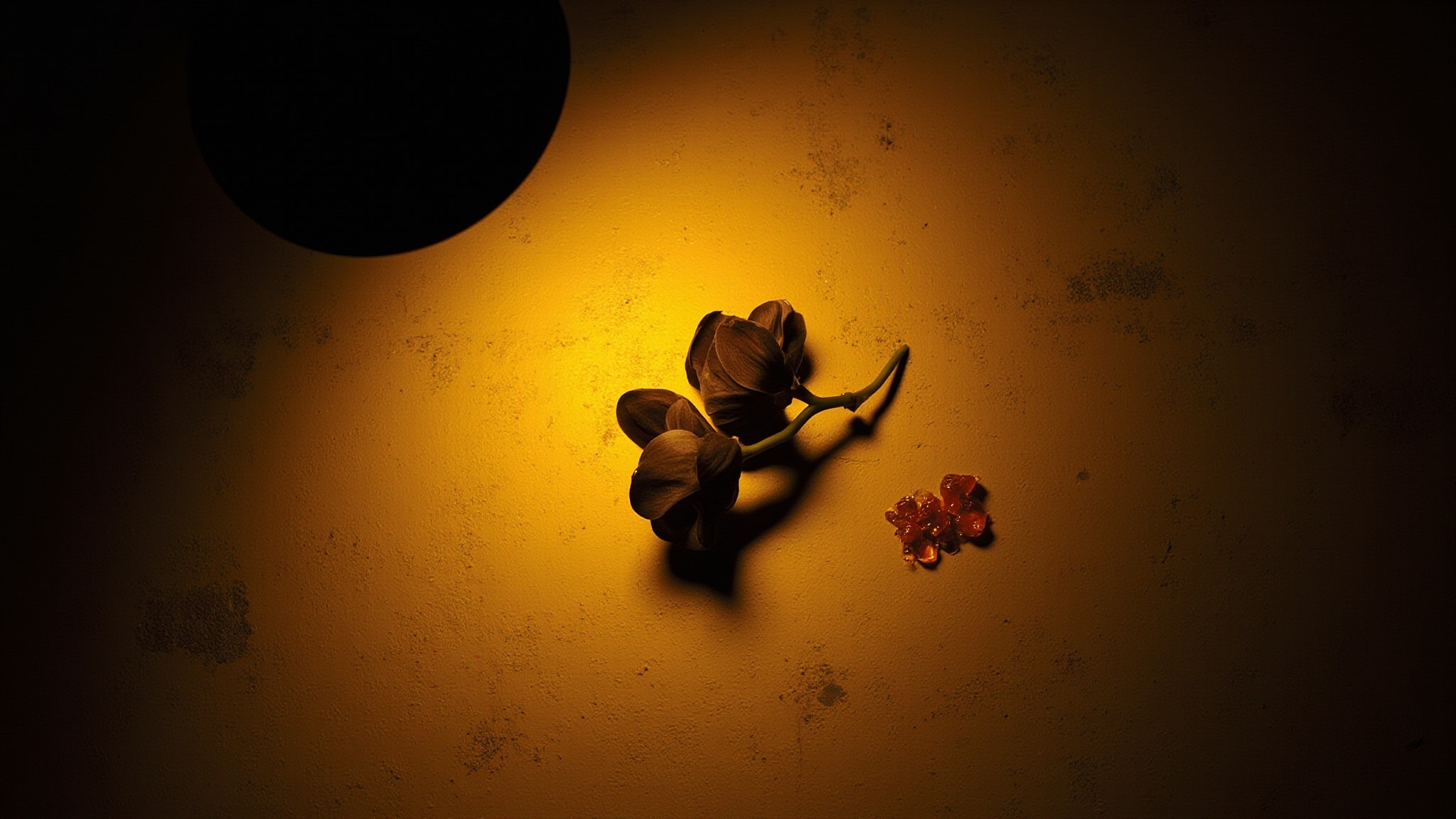
Orchid takes the lead here, pulled into something darker, greener, with a fleshy quality that recalls the flower seen in shadow rather than daylight. AllSaints paired it with amberwood, a smooth, warm synthetic that adds resin without sweetness, and coumarin, which brings a hay-like depth that reads as both natural and slightly medicinal. Black pepper completes the picture: a dry, mineral crackle that prevents the composition from ever becoming soft.
The evolution
It opens sharp. Black pepper announces itself first, dry, almost mineral in its delivery. Not aggressive, but intentional. A deliberate counterweight before the floral arrives. Then the orchid enters, but differently than expected. Dark, slightly green-edged, with a fleshy quality that avoids anything powdery or polite. It sits low in the composition rather than soaring above it. As time passes, amberwood warms the structure into something resinous without tipping into sweetness. Coumarin threads through, lending hay-like depth that deepens the base into something balsamic and intimate. The drydown isn't a fade so much as a settling. The warmth remains close to skin, present without projecting. Something that stays close, like a sweater you don't want to take off.
Cultural impact
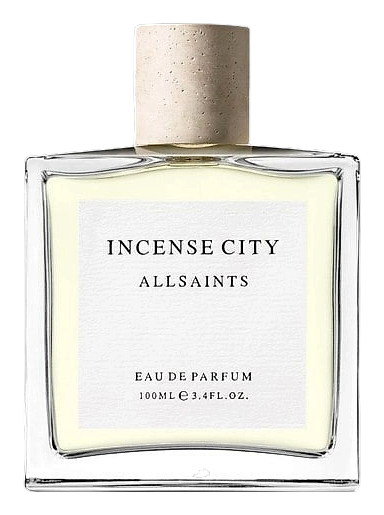
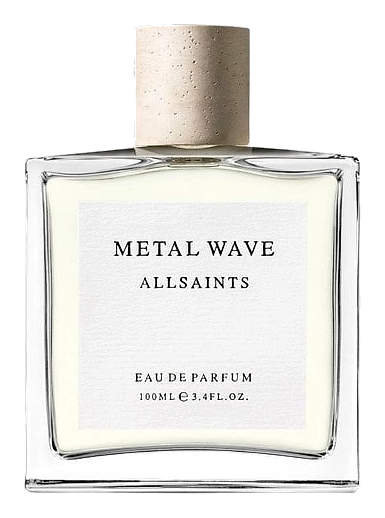
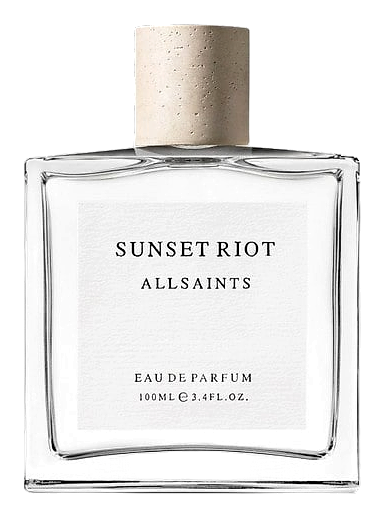
Flora Mortis arrived as the niche fragrance market was becoming more experimental. Sunset Riot, Metal Wave, Incense City, each named for a mood rather than a moment, complete the collection. Wearers describe it as the scent of someone who walks into a room and doesn't need to announce themselves. Its positioning places it alongside other houses working in a darker, more self-assured register.