
The Story
Why it exists.
The beginning
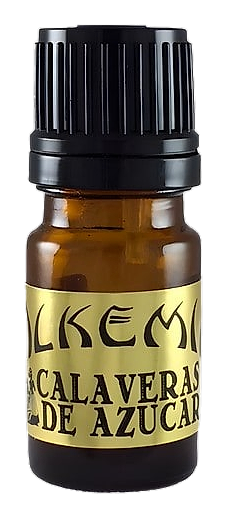
Calaveras de Azúcar, sugar skulls, the kind arranged on ofrendas during Día de los Muertos, bright and bone-white and threaded through with marigolds. The name carries that specific tenderness: death treated as a guest, not a stranger. Sharra Lamoureaux built this composition in 2011, and the intent is threaded through every drop of it. Two notes on paper, white amber and sugar, yet the alchemy lives in the calibration. There's a haunted sweetness here, the memory of celebration lingering after the incense thinned. The fragrance reads devotional without sliding into the gourmand territory where most sugar-forward compositions settle by default.
The brilliance lives in restraint. White amber is a constructed material, softer and creamier than its golden cousins, with none of the resinous bite that ambergris or labdanum bring. Layering it with sugar could have gone sticky, juvenile, or cloying. Instead, the amber holds the sweetness in a skin-warm register, giving it body without weight. This is sugar dressed in funeral attire, not confectionery glass. The sugar-dominant fragrances that flood the market tend to chase the loudest expression of sweetness, the caramelized, the vanillic, the edible.
The evolution
On skin, Calaveras de Azúcar arrives almost immediately as a soft, glowing warmth. Sugar opens the door, and white amber is already waiting just behind it, no sharp transition, no waiting for the drydown to deliver. The opening feels like the scent is settling into its skin, finding where it belongs rather than announcing itself. As the composition develops, it tightens. The amber takes fuller control, pushing the sugar into something warmer and rounder, less crystalline and more lived-in. Eventually you're wearing something that reads closer to warm skin than to anything sweet on a plate. The drydown is where this earns its reputation: a faint, resinous glow that hovers close, intimate rather than performative. On clothing, it reads as a trace of something amber and soft, barely there, like the memory of a candle that went out hours ago.
Cultural impact
Wears like a private ritual. Less a fragrance for the room, more one for the wrist you keep checking. The sugar skull motif connects it to Day of the Dead traditions where sweetness and mortality share the same altar. There's a meditative quality here, something that turns perfume into a moment of stillness rather than a social broadcast. It pulls toward the devotional, and that tension between the joyful (sugar, sweetness, celebration) and the solemn (bone-white skulls, altars, remembrance) gives it a depth that most one-note gourmands can't reach. This is scent as ceremony, small, close, and meant to be returned to.