The Story
Why it exists.
The beginning
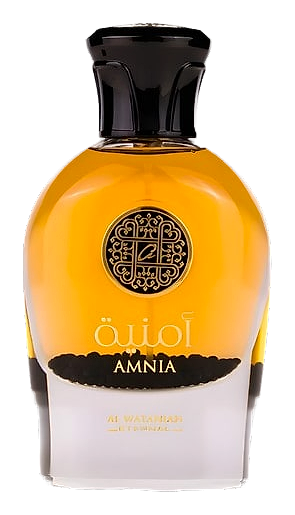
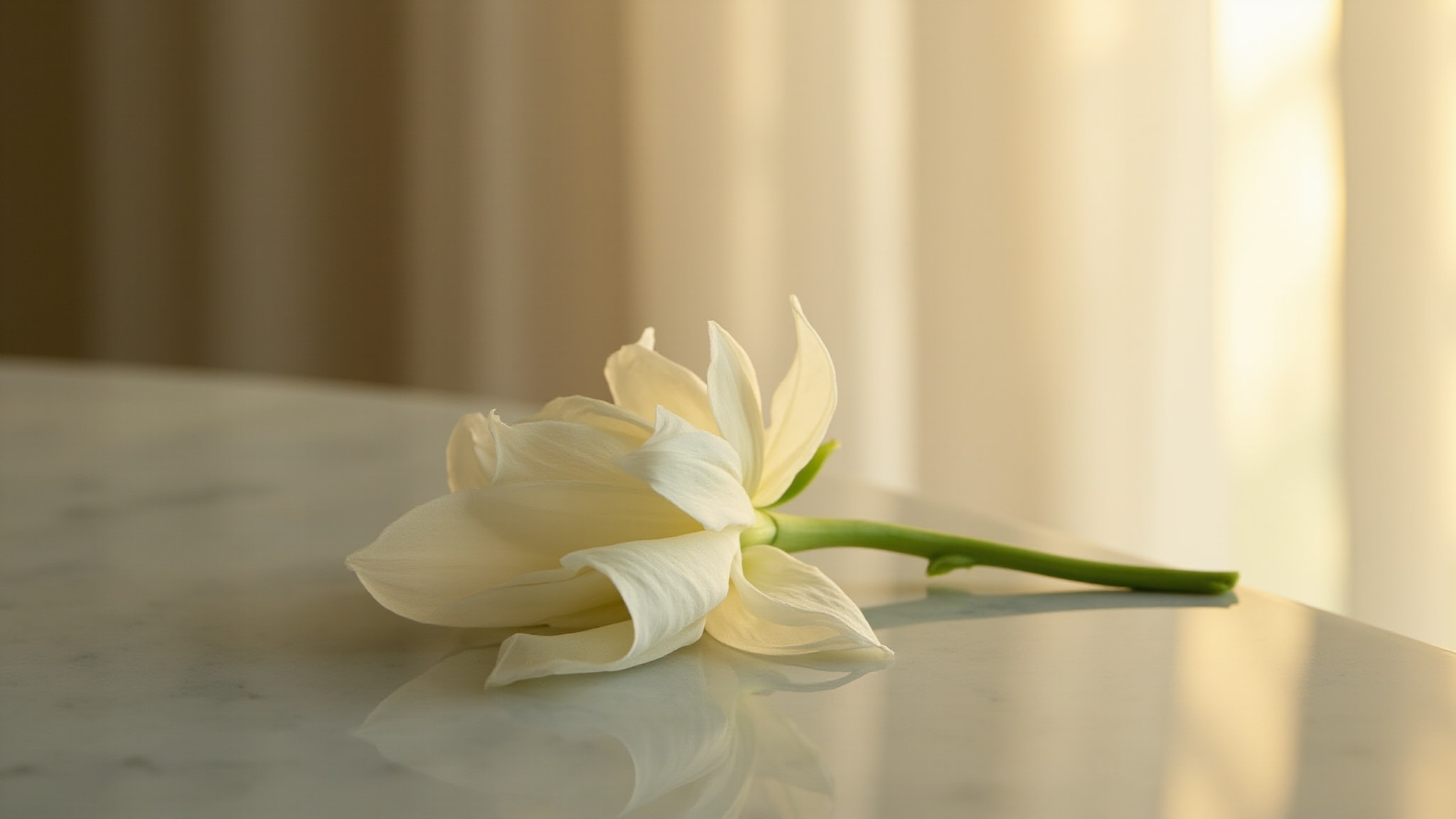
Amnia arrived in 2022 as Al Wataniah's interpretation of an Arabian night garden, warm spices, creamy florals. The opening sparkles with cardamom and pink pepper, their aromatic heat balanced by the soft bitterness of almond. As the scent unfolds, tuberose and orange blossom bloom in creamy waves, their lush floral character taking center stage. The base settles into a warm embrace of vanilla, sandalwood, and subtle earthiness, leaving a soft, lingering trail that feels intimate and enveloping. Amnia captures the sensory magic of a moonlit garden in full bloom, where every breath carries the richness of night-blooming flowers and the quiet warmth of spice-infused air.
The opening pairing of almond and pink pepper creates an immediate tension, sweet and spice, soft and sharp, before the white florals take over. Tuberose dominates the heart, lush and almost overwhelming, supported by orange blossom's cleaner brightness. The real story is in the drydown: vanilla and tonka bean become the dominant force, warm and close, while patchouli adds a green-earthy depth that keeps the sweetness from becoming cloying. It's a structure that rewards patience, the fragrance changes as it wears.
The evolution
The first minutes belong to almond, soft, slightly bitter, with pink pepper adding a warm prickly quality. Tuberose surges in, thick and creamy, pushing the orange blossom into the background. The vanilla builds quietly underneath, creating a sweet foundation. The drydown takes over as vanilla and tonka bean wrap around the skin, warm and intimate, with patchouli adding just enough earth to keep everything grounded. Throughout the wear, the floral heart remains prominent, its creamy texture never fully receding. The spice notes linger in the background, providing warmth and depth. On fabric, the scent maintains its presence well, the vanilla element showing particular strength and resilience.
Cultural impact
Amnia has resonated with enthusiasts who appreciate rich, creamy florals, particularly those drawn to tuberose-forward compositions. The reception skews consistently positive, with the fragrance earning praise for its approachable yet distinctive character. It performs best in cooler months, with most reviewers preferring it for fall and winter. The night usage bias reflects its character, intimate, warm, and lingering. The fragrance stands out for those who want a tuberose experience that feels luxurious without being overpowering, offering depth and complexity that rewards close attention.