The Story
Why it exists.
The beginning
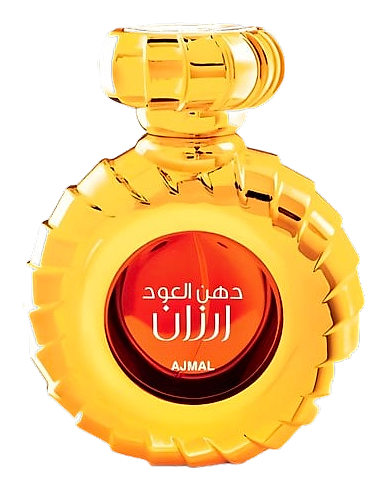
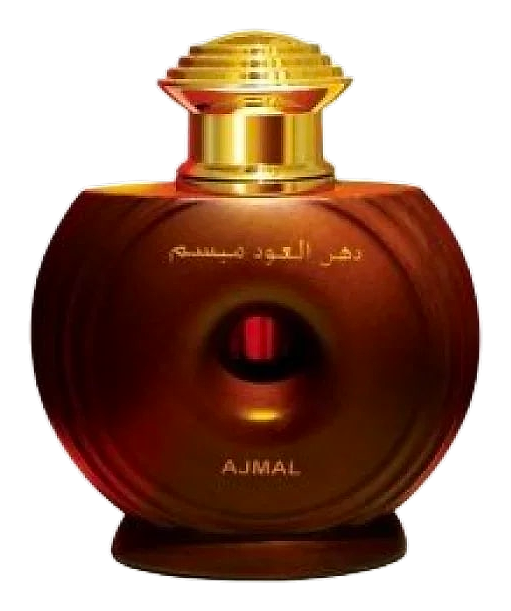
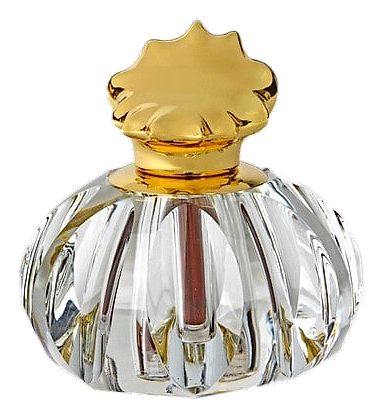
Dahn Al Oudh Maymun belongs to Ajmal's Dahn Al Oudh collection, a line built around the oil of oud. The collection centers on the raw material itself, presented as a concentrated perfume oil in its most traditional format, and the Maymun designation marks this particular expression within that oud-focused portfolio. Within the broader Dahn Al Oudh range, each variant carries its own name, and Maymun occupies a place in a series that treats the agarwood as the headline act rather than a supporting note blended into something more conventionally wearable.
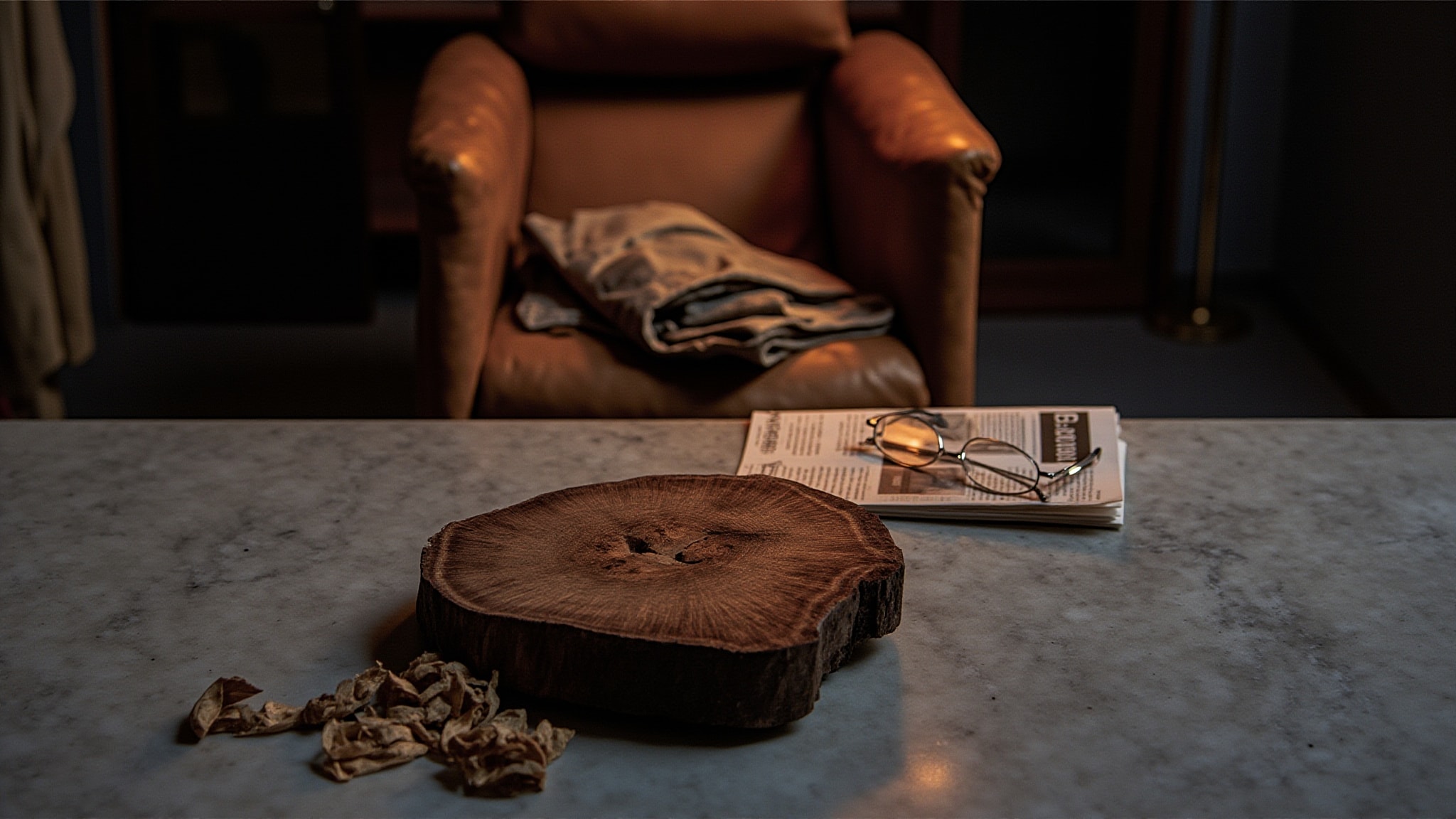
What makes this composition distinctive is its refusal to dilute the message. The ingredient list is stripped down to two regional ouds: Indian Oud and Cambodian Oud, two of the most prized varieties in the agarwood world. Cambodian oud tends to present a sweeter, more refined facet with a clean profile, while Indian oud carries a deeper, more animalic character with weight and density behind it.
The evolution
From the first contact, there's no mistaking what's in the bottle. The opening hits with the sharp, almost medicinal brightness of freshly cut agarwood, smoky and resinous, with a coolness underneath that suggests the wood has been recently shaved rather than aged smooth. It reads loud and unpolished, the kind of scent that fills a room within seconds. As the composition continues, the sharpness softens as the oud oils begin to settle, with the sweeter side of one variety coming forward alongside the darker facets of the other. Over time, the two ouds merge into a unified drydown that sits closer to skin, warm and woody with persistent animalic depth. What arrives on skin isn't a fragrance that evolves dramatically. It settles, deepens, and stays put, holding its profile with the kind of stubborn persistence that raw oud oils are known for.
Cultural impact
Dahn Al Oudh Maymun finds its audience among people who want the raw material rather than a heavily processed interpretation of it. The fragrance speaks to a specific corner of oud appreciation where the wood itself takes center stage, and it rewards those who already know how unprocessed oud wears against skin and how its character shifts over hours of contact. Rather than aiming for broad commercial appeal, it sits comfortably within the niche of oud enthusiasts who treat the material as a daily staple rather than an occasional indulgence.