
The Story
Why it exists.
The beginning
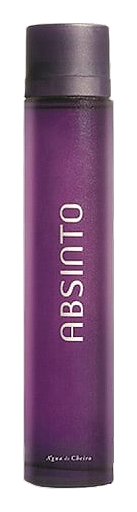
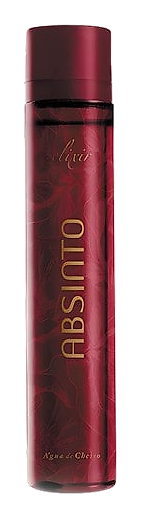
The Absinto line at Água de Cheiro has always been about mood more than mechanics, a collection of fragrances that capture specific states rather than generic appeal. Elixir distills the Absinto spirit into something warmer and more wearable than its siblings. Where other Absinto flankers lean sharp or anise-forward, Elixir reaches for the hour when the heat softens, when everything slows down. The brief was simple: take three notes, make them mean something.
Mandarin, jasmine, sandalwood. Three materials that most perfumers would consider a starting point, not a finished composition. But Água de Cheiro's narrative-first approach treats this constraint as liberation, the fewer the materials, the more intentional each one must be. The mandarin can't just smell like citrus; it has to arrive in a specific way. The jasmine can't just be floral; it has to carry the powder. The sandalwood can't be generic wood; it has to anchor the entire afternoon. That's the bet Elixir makes: simplicity as sophistication.
The evolution
The mandarin opens bright, a flash, not a roar. It doesn't linger or develop; it simply establishes the light before stepping back. Within minutes, jasmine takes over, and this is where the fragrance earns its powdery classification. The floral isn't delicate in the usual sense; it's soft and present, like fabric warmed by skin. The handoff from citrus to jasmine happens cleanly, without the awkward teenage phase many fragrances suffer. Sandalwood arrives last and stays longest. Its creaminess wraps around the jasmine until the drydown becomes one warm, quiet thing. On fabric, it persists into the next day as a ghost of itself, a sweetness without sweetness, wood without weight.
Cultural impact
Absinto Elixir arrived during Brazil's fragrance renaissance in the late 1980s, when local brands began competing seriously with imported European perfumes. Água de Cheiro positioned this as an accessible luxury, bringing sophisticated powdery florals to middle-class Brazilian consumers who previously had limited access to niche compositions. The warm mandarin and jasmine combination became a template for subsequent domestic releases, influencing how Brazilian perfumers approached Western-oriented scent profiles. Absinto Elixir remains a touchstone for nostalgic Brazilian fragrance enthusiasts, representing a pre-globalization era when local brands defined national scent preferences.