The Story
Why it exists.
The beginning
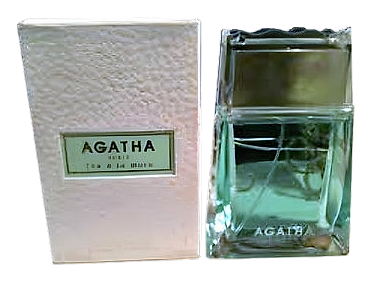
Agatha released Thé à la Mûre in 1998, a fragrance that introduced the brand's presence in scent. The name itself suggests a fruit-and-herbal pairing, and the composition delivers on that promise through a herbal-fruity structure built by perfumer Francis Camail. The result feels composed rather than overworked, a composition that settles into the skin with the kind of ease that suggests the perfumer understood restraint as a design choice. Camail worked with a palette of bergamot, sage, mulberry, lavender, and blackberry, allowing each note to occupy its own space without crowding the others. The composition reads as deliberately unfussy, the kind of scent that doesn't demand attention but rewards a second breath.
What makes the pyramid unusual is how the herbal notes refuse to behave as a base. Bergamot and sage appear at the opening, then return again in the heart, doubling down instead of receding. Mulberry does the same trick, threading from top to middle. This overlapping structure keeps the composition suspended between phases, no single moment fully replacing the one before it. The lavender arrives muted, almost as atmosphere rather than accent, a soft hum that supports without announcing itself.
The evolution
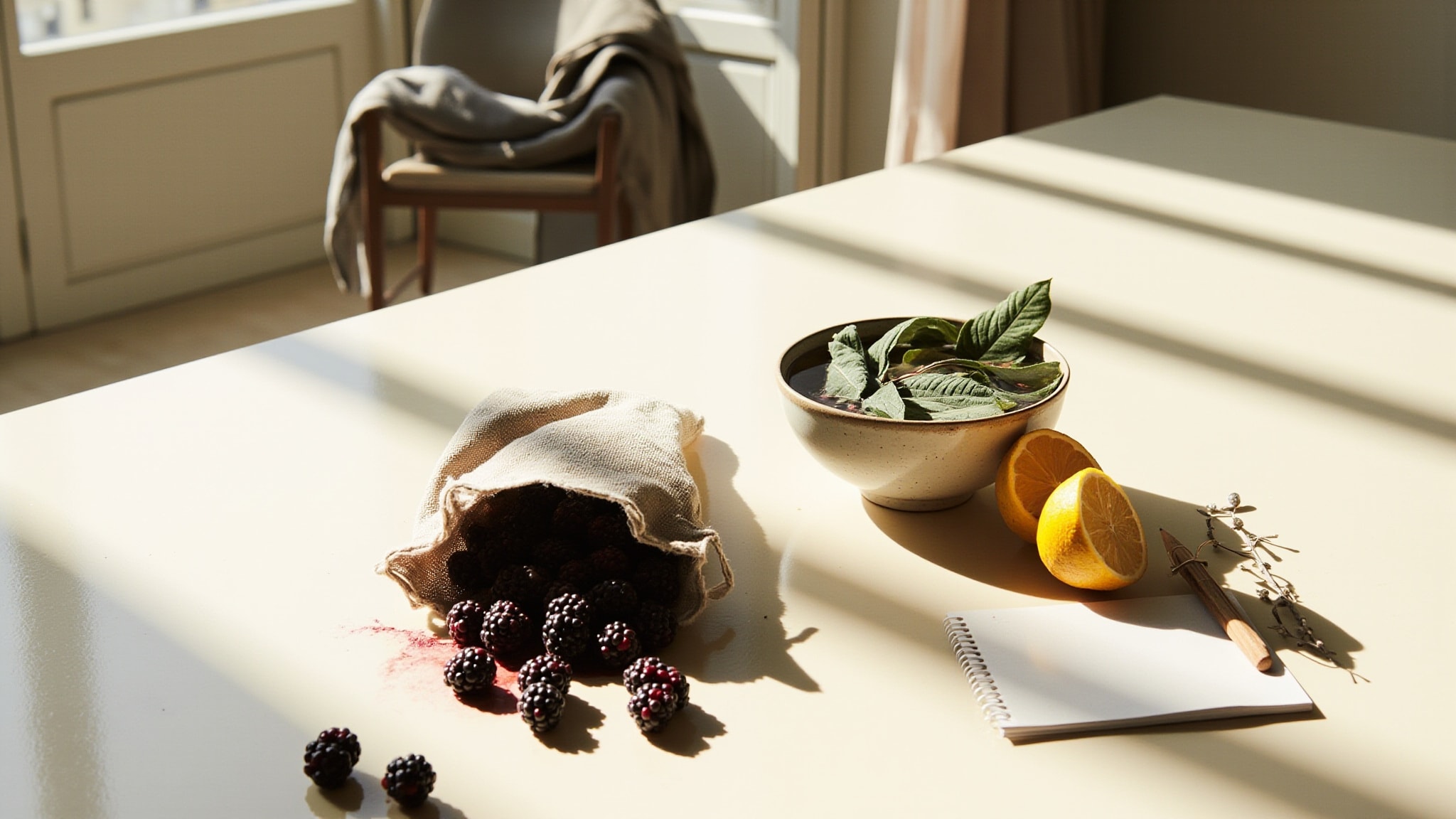
The first ten minutes belong to bergamot, bright and almost nervous, the way citrus hits when it's not sure it's welcome. Sage moves in fast, softening the sharpness into something herbal and a little cool. Lavender hums underneath, more felt than heard. Around the thirty-minute mark, the fruit arrives, but it doesn't arrive sweet. Blackberry and mulberry come through green, leaf-stained, like berries crushed between fingers before they fully ripen. The herbal backbone holds. By hour two, the sharpness has settled into a softer musk-adjacent warmth, the sage now reading as a dry impression rather than an active note. From hour four onward it's a close, skin-level trace, herbal, faintly sweet, the ghost of berry rather than the thing itself. Holds at that distance through the rest of the day, a quiet presence that requires leaning in to catch fully.
Cultural impact
Thé à la Mûre sits in a small category of herbal-fruity fragrances that don't soften their berries into sweetness. It was released in 1998, and it carries a particular character: the fruit reads green and tart, the herbs stay present throughout, and the whole composition holds an unusual tension between fresh and dry. Production appears to have been discontinued, which places it among fragrances that survive mainly through vintage channels and secondhand discovery.
The House
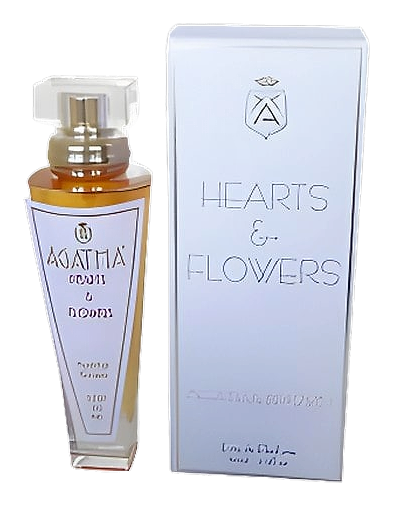
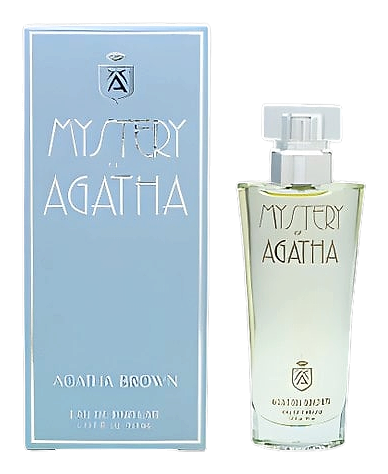
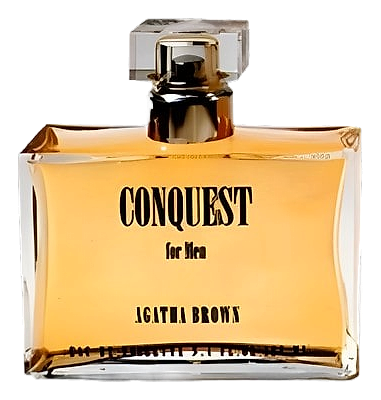
AgathaAgatha Paris emerged from a small Parisian design store in 1974, eventually growing into a worldwide fashion jewellery company with more than 400 retail outlets globally. The brand extended its aesthetic from accessories into fragrance, creating perfumes that echo its signature blend of playfulness and Parisian sophistication. Agatha's scent collection spans from 1998 through the mid-2000s, offering fragrances like the berry-forward The a la Mure, the bright citrus of Pamplemousse, and the more complex oriental interpretations found in Mystery of Agatha and Conquest. The brand occupies a particular niche in the fragrance landscape, serving consumers drawn to accessible luxury with a fashion-forward sensibility.
The Creator
Francis CamailHis work spans green florals, crisp citruses, and structured chypres, suggesting a perfumer equally comfortable with American boldness and French refinement. Francis seems to favor compositions that translate abstract creative briefs into wearable luxury, a skill that explains…