The Story
Why it exists.
The beginning
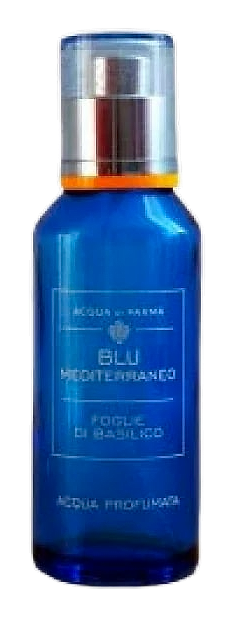
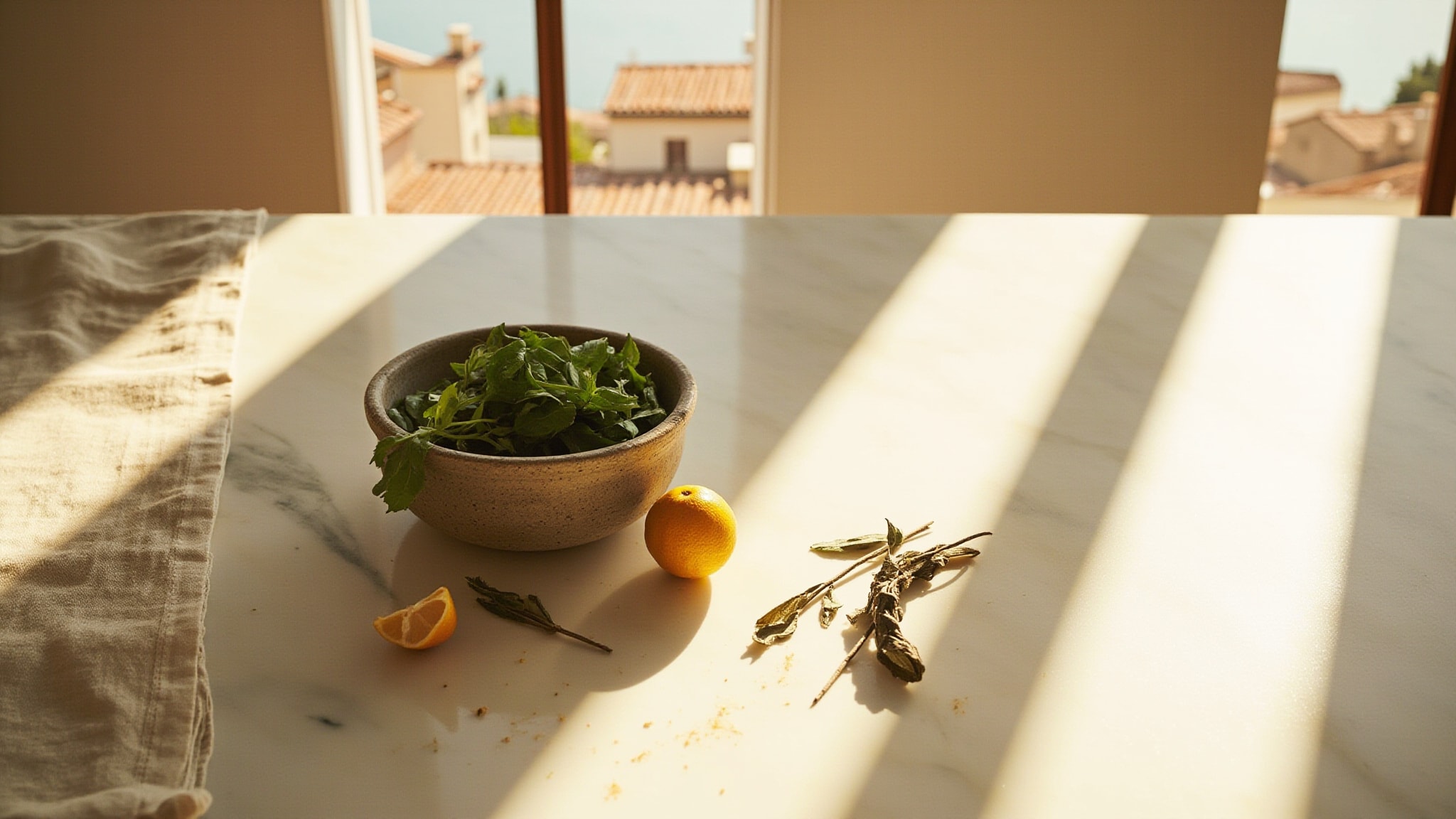
Foglie di Basilico arrived in 1999 as part of Acqua di Parma's Blu Mediterraneo collection, a line conceived to translate the Italian coastline into scent. The name translates directly: leaves of basil. No mythology. No baroque naming convention. Just the herb, and the Mediterranean light that makes it grow. The composition is almost defiant in its simplicity. Bergamot, basil, sage. Three notes. Where many fragrances of the era stacked accords into towering constructions, this one stayed close to the plant. It reads less like a constructed scent and more like a snapshot of a window box or terracotta pot, where basil brushes against lemon trees and the air smells like someone just crushed a leaf between their fingers.
What makes the structure interesting is what it refuses to add. Basil is a notoriously difficult note to anchor. Too much and it turns medicinal, too sharp, almost like pesto left out in the sun. Too little and it disappears beneath citrus. The bergamot does the heavy lifting on top, bright and slightly bitter, opening the door. The basil moves through the middle with that peppery, almost anise-edged green character. Then sage settles in underneath, drier and more herbal than sweet, giving the composition a backbone that prevents it from feeling like a salad. It's a tight triangle. No wasted notes.
The evolution
The first ten minutes are almost entirely bergamot. Sharp citrus, a little bitter peel, the snap of citrus oil on warm skin. There's a brightness that reads almost fizzy before the basil starts to surface. Around the twenty-minute mark, the basil takes over. Not cooked basil, not pesto basil. The raw, torn-leaf version, with that cool green bite and a faint peppery undertone. The bergamot recedes but doesn't leave. The scent sits close to the skin, the kind of fragrance that lives in your personal space rather than announcing itself across a room. After two hours, the basil mellows into something rounder. The peppery edge softens. Sage begins to assert itself, bringing a drier, slightly resinous herbal quality that keeps the composition from collapsing into pure greenness.
Cultural impact
Blu Mediterraneo Foglie di Basilico arrived in 1999 as part of Acqua di Parma's broader Blu Mediterraneo project, a line conceived to bottle the sensory memory of the Italian coastline. By stripping a fragrance down to bergamot, basil, and sage, the house made a clear creative choice, leaning into restraint where louder compositions might have reached for sweetness, spice, or dense amber bases. The simplicity itself became the statement, proof that three well-chosen notes could hold a composition together without ornamentation.