The Story
Why it exists.
The beginning
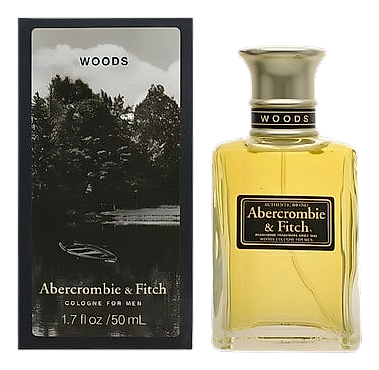
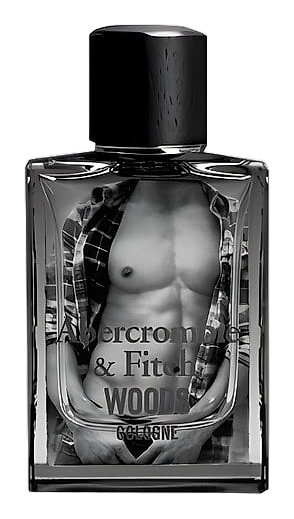
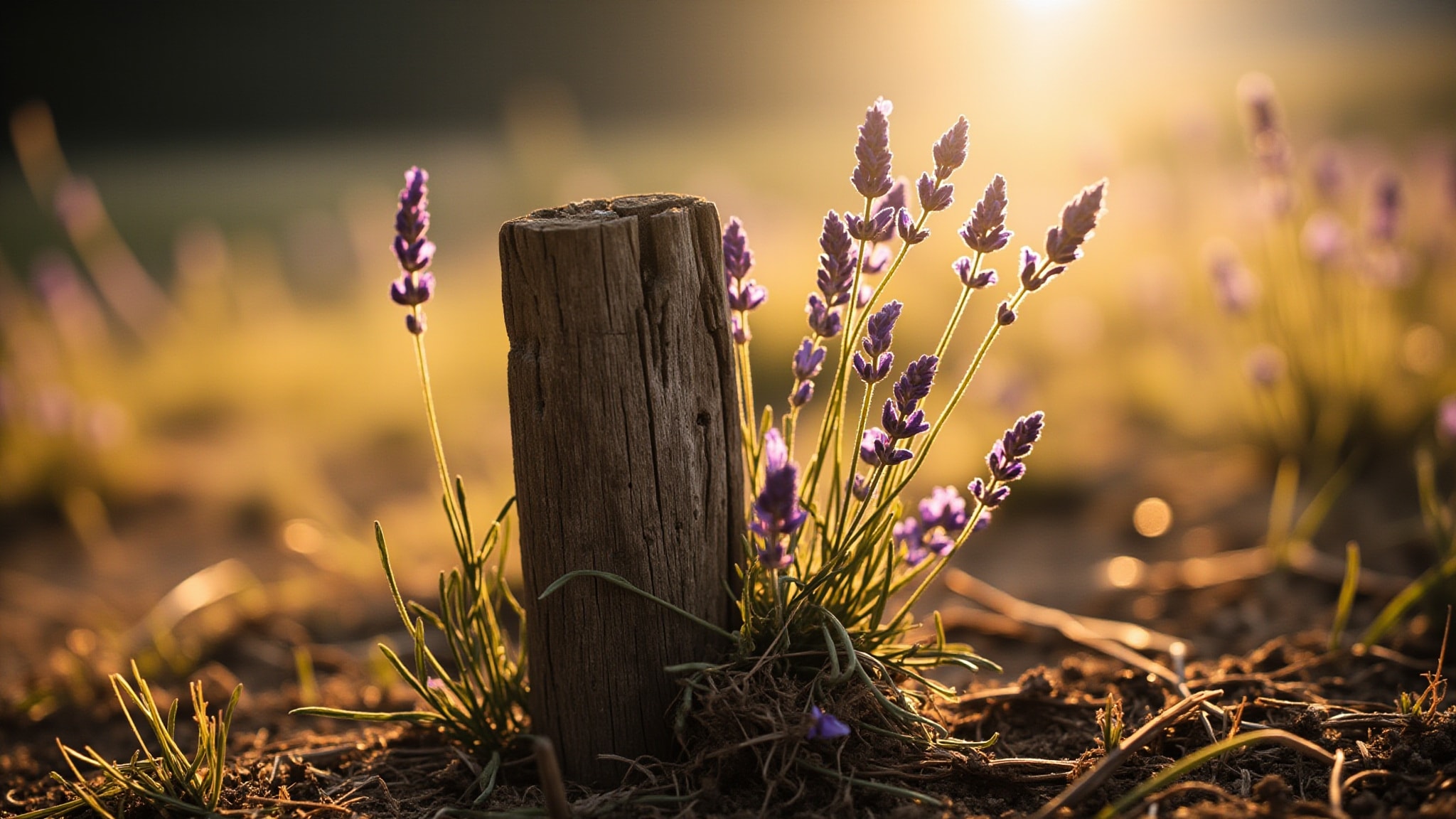
Woods first appeared in the early nineties, disappeared in 2005, then returned in 2010 with a composition built for the heart of mountain forests. The scent was designed to capture that cool, green clarity that hits you when you step off a trail into an open clearing. Lavender provided the aromatic lift, vetiver the earthy anchor, and musk the warmth that lingers after you've walked away. It was a reintroduction, not a reinvention.
What makes this work is restraint. Most fragrances try to announce themselves, louder projections, sharper contrasts, ingredients that shout. Woods whispers. The lavender doesn't dominate so much as it breathes, settling into the composition like mist across a hillside. Vetiver doesn't compete with the floral notes; it simply grounds them, keeping everything honest and close to the earth. The musk doesn't project, it waits.
The evolution
The opening arrives fresh and immediate, lavender's clean bite softened by something almost ozonic, the air accord doing exactly what it promises. It reads bright, almost medicinal in the best way, like stepping into a forest pharmacy. Then the vetiver arrives. Earthy, root-like, slightly bitter, it pulls the composition downward, away from the sky and into the soil. The lavender doesn't disappear; it changes role, becoming a bridge between the airy opening and the grounded heart. Later, the musk surfaces. Not animalic, not overwhelming, just warm. Quiet. It stays close to the skin, a slow exhale rather than a final statement. On fabric, it lasts until the next wash. On skin, it becomes a skin scent, barely detectable to anyone but the wearer.
Cultural impact
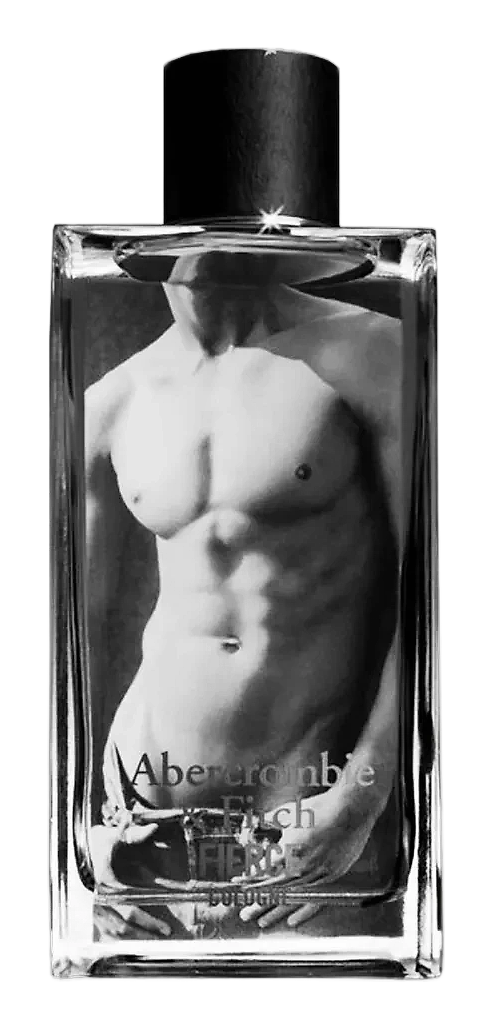
Woods occupied an interesting space in the Abercrombie lineup. It appealed to wearers who wanted the brand's lifestyle association without broadcasting it. Reviews describe it as a fragrance that people noticed and asked about, without ever feeling aggressive or performative.