The Story
Why it exists.
The beginning
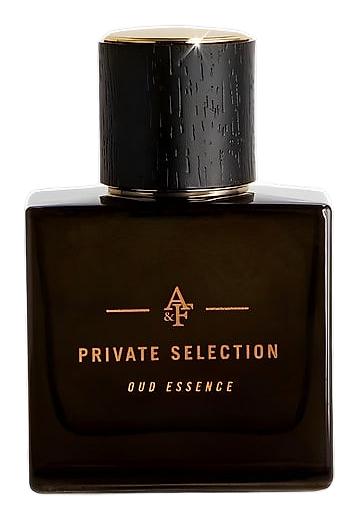
Oud Essence arrived in 2016, a release that didn't lean on the usual tricks. The concept was straightforward enough: work with resinous, oud-rooted materials and let them carry the composition. The kind of bottle you'd find on a shelf that surprised you by smelling like it belonged somewhere older than 2016. There's something specific about reaching for a mainstream fragrance and finding oud at the center of it, no hedging, no apology. The juice has that immediate gravitational pull that good resin compositions tend to have, that density you notice before you've even warmed it on skin. It's the kind of scent that announces its materials rather than burying them under a dozen supporting notes.
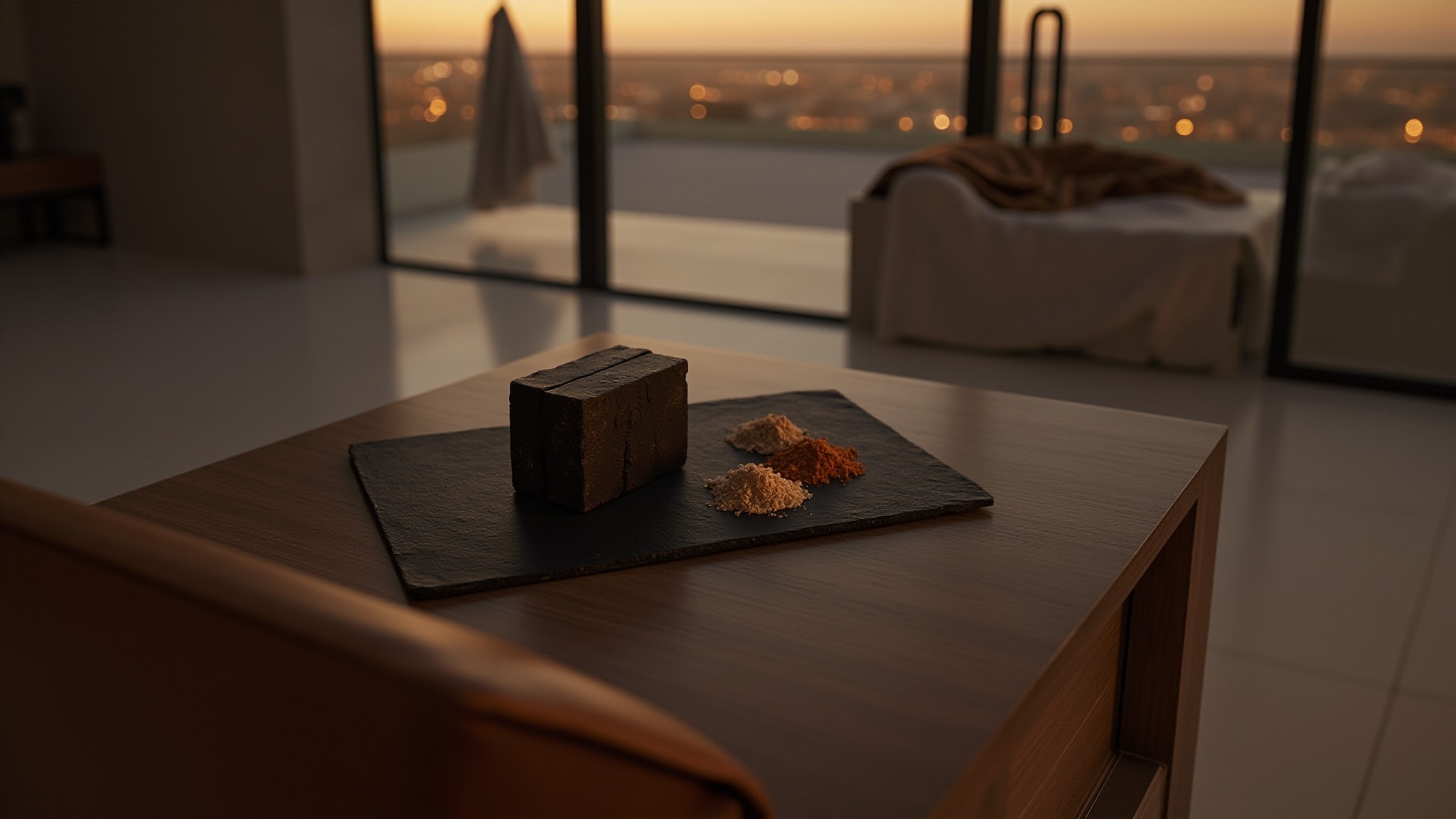
What makes the structure compelling is the restraint at every level. The listed composition keeps things tight: oud, frankincense, and myrrh, three of the oldest materials in perfumery, layered and left to do the talking. There's something quietly confident about a formula that doesn't pad itself out with crowd-pleasing additions. Each of those three notes has centuries of history behind it, used in temples, in ritual, in apothecary traditions that long predate modern fragrance marketing.
The evolution
On skin, it opens dense. The oud arrives first, leaning toward the darker, slightly medicinal profile rather than the syrupy-sweet kind you'd find in high-end Arabian perfumery. The frankincense lifts it within the first ten minutes, adding a cold, almost stone-like shimmer that keeps the heaviness from sinking. There's no sparkle, no brightness, just a steady warmth that breathes. By the one-hour mark, the myrrh has fully entered, bringing a powdery, almost antique softness that recalls old church interiors more than modern perfumery. The scent settles into what one wearer called a 'powdery-balsamic skin fragrance.' It sits close, doesn't broadcast. Performance varies depending on skin chemistry and application, but it never becomes the loudest thing in the room.
Cultural impact
Oud Essence occupies an unusual position in the broader fragrance landscape, a mainstream American retailer releasing a composition built around oud, frankincense, and myrrh at a time when those materials were still mostly associated with Middle Eastern and niche houses. The production was apparently discontinued, which changes how the fragrance reads now. It's no longer on shelves, no longer part of any current marketing push, just a release that exists in the memories of those who encountered it and in the secondhand market where bottles occasionally surface. That absence creates its own kind of gravity.