
The Story
Why it exists.
The beginning
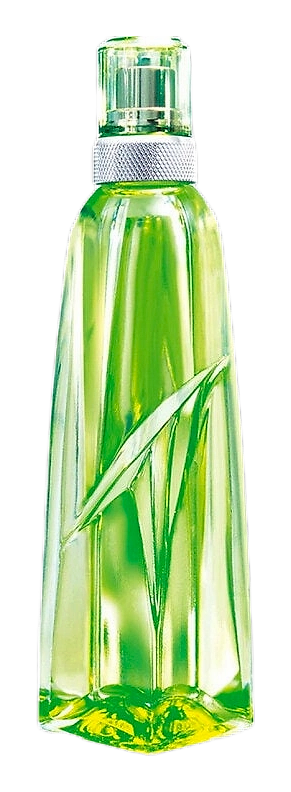
The name is the statement. Oxymusc, a contradiction worn as a badge. Alberto Morillas, the nose behind some of the industry's most recognizable compositions, built something deliberately slight. This was 2014, and niche perfumery was trending bold. Morillas went the other direction. The brief seemed to be: quiet. Transparent. Almost nothing. What emerged was a fragrance that asks whether presence requires persistence, and answers, sometimes, no.
The structure is familiar fougère territory, lavender, thyme, a powdery drydown, but the execution refuses the genre's usual ambitions. Lily of the valley opens cool and almost ozonic, setting up a lavender-thyme heart that reads clean rather than sharp. Birch and musk anchor the base with a faint smoky edge, but nothing here shouts. The real trick is that it smells finished. Complete. Even at low volume, the architecture holds. Morillas made a small fragrance that thinks big, the paradox embedded in every spray.
The evolution
Lily of the valley opens cool, almost ozonic, rain on stone, then it's gone. Lavender and thyme arrive quietly, building a soapy, aromatic warmth that holds for a few hours. The drydown is where birch reveals itself: a smoky, slightly leather-like edge that catches you off guard. Bourbon vanilla and musk finish close to skin, intimate rather than present. Then it fades, honest about its brevity.
Cultural impact
Oxymusc exists in an interesting tension with its own brief. The 2014 niche landscape rewarded boldness and projection, Oxymusc went the opposite direction, building a full aromatic structure that deliberately fades before it can fully announce itself. Wearers describe it as intimate, close, the kind of scent someone notices only when they're already close enough to matter. The brevity is honest about what this is: a quiet conversation, not a monologue.