

The Story
Why it exists.
The beginning
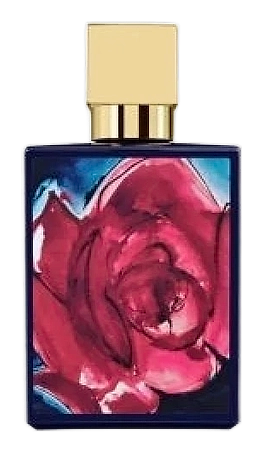
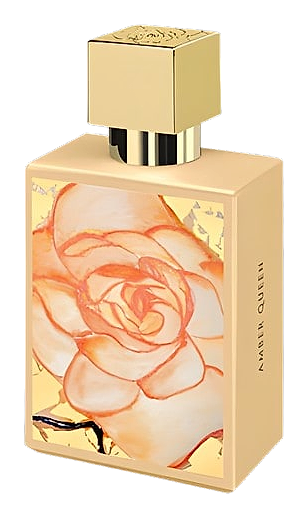
Amber Queen takes its name from a rose variety known for its deep golden-yellow blooms and rich, warm fragrance. The perfumers built the opening around apricot and clementine, creating a bright, slightly tart lift that feels immediate and inviting. Clementine adds a zesty brightness that cuts through the sweeter notes. Ginger introduces a clean spiciness that provides contrast before softening into the rest of the composition. The heart is rose absolute, Damask rose specifically, giving the composition its floral core and a powdery warmth that lingers long after the citrus fades. Then amber takes over, the single base note anchoring everything that came before it.
The pyramid is unusually sparse for the base. One material. In most fruity-florals, that would leave the drydown feeling thin or hollow. Amber Queen works because the amber creates a foundation that supports the entire composition. It contributes a warmth that feels close and personal. The rose absolute and amber together create something that reads as intimate rather than loud, the drydown is the part you smell when someone is standing close.
The evolution
The opening lands bright and immediate, apricot first, then clementine arriving half a step behind. The combination smells like the inside of a sun-warmed fruit, sweet and slightly tart. The ginger appears within seconds, a clean heat that cuts the sweetness just enough. It doesn't linger. Within minutes, the citrus begins to soften and the rose takes over. The transition is not dramatic. The fruity sweetness doesn't disappear, it deepens, becomes part of the rose's own warmth. Damask rose absolute reads as powdery and rich, closer to a pressed flower in an old book than a fresh-cut bloom. By the late heart, the fragrance has become something entirely different from the opening. The amber then emerges, not as an announcement but as a settling. Warm. Resinous. It wraps the rose and holds it close.
Cultural impact
Amber Queen launched during a period of growth in the niche fragrance world, when independent houses were exploring compositions that didn't follow the expected formula. The fragrance features an unconventional structure, a single-base pyramid with an apricot-forward opening that transforms into something warm and intimate rather than loud and projecting. Its construction sets it apart from more traditional fruity-floral releases, offering a different kind of olfactory experience for those seeking something outside the mainstream.
The House
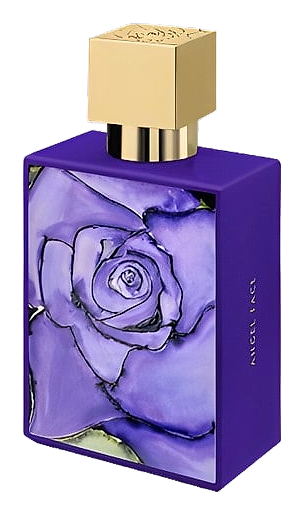
A Dozen RosesA Dozen Roses is a niche perfume house based in the United States that emerged in the early 2010s. Founded by Sandy Cataldo, a longtime perfume collector, and Lynn Emmolo, a designer known for lacquer inks, the brand quickly positioned itself as a laboratory for experimental scents. Its catalogue includes Angel Face (2013), Gold Rush (2011), Amber Queen (2012), Electron (2012), Shakespeare in Love (2011) and Iced White (2011). Each launch reflects a willingness to blend classic structures with unexpected accords, offering collectors a compact yet diverse olfactory library.
The Creator
Lynn Emmolo & Irina BurlakovaEmmolo's work carries the mark of someone trained in both creative and commercial disciplines. She gravitates toward classical structures executed with contemporary restraint, suggesting a perfumer who respects tradition while seeking relevance.