Saed al Abbass
Saed al Abbass is a perfumer whose path into fragrance began far from any laboratory. Fresh out of university, he crossed the channel to England with plans to sharpen his English and set a course for a life at sea. The maritime calling fell away the moment he took a casual job that introduced him to the world of scent. What started as temporary work soon became an obsession, pulling him away from the horizon and toward the bench. Details of his formal training remain closely held, but the trajectory speaks for itself: a young man who meant to study English ended up studying accords instead. That pivot from ocean to olfaction defines the character behind the compositions. He approaches fragrance not as a mapped-out plan but as a discovery, the way a sailor might learn currents through experience rather than instruction. His career continues to unfold with the quiet certainty of someone who found his true vocation by accident and chose never to look back.
The hits
Notable creations
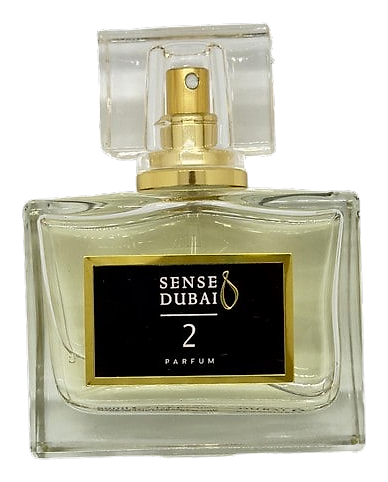
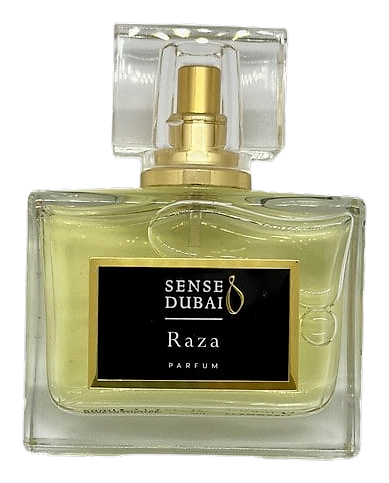
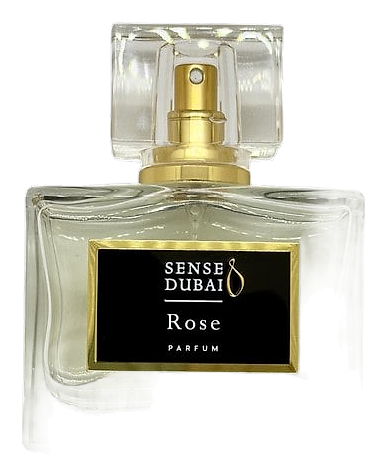
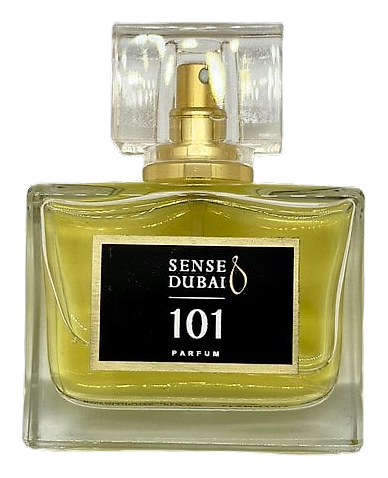
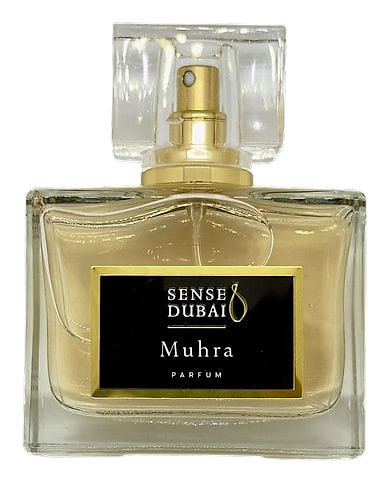
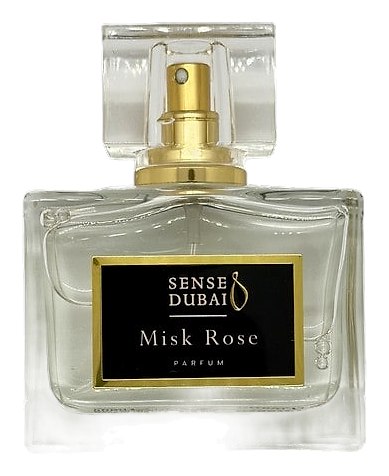
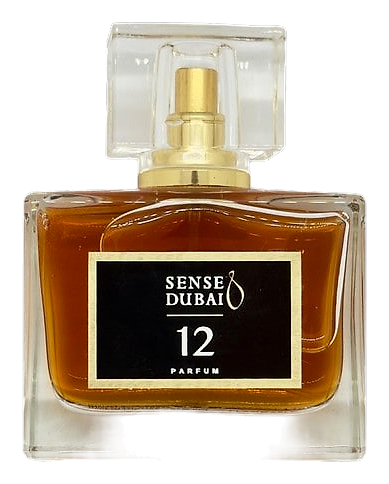
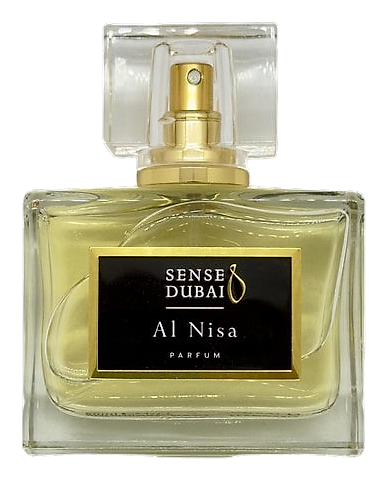
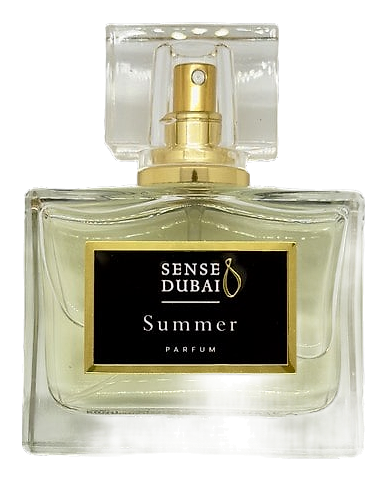
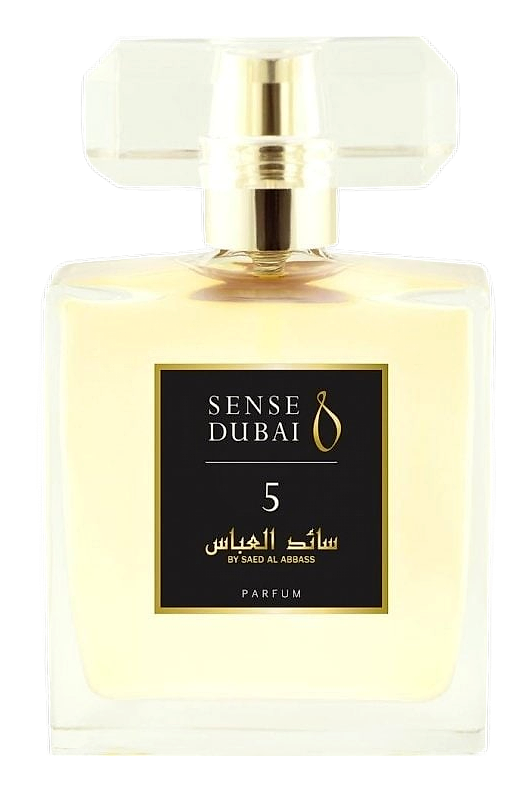
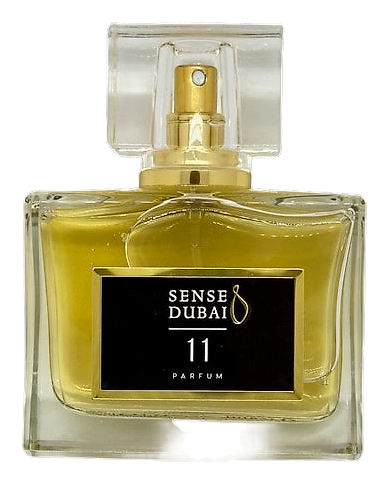
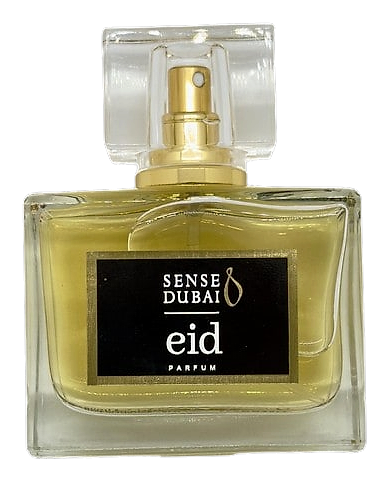
The signature
How Saed composes
Al Abbass composes with a builder's instinct, layering dense resins and woods against softer florals to create tension and warmth. Oud anchors many of his constructions, treated as architecture rather than ornament. He reaches for amber, frankincense, and labdanum when he wants depth, and turns to rose, saffron, and spices for lift. Citrus appears sparingly, usually as a brightening top note rather than a dominant theme. His signatures tend toward the opulent without crossing into excess, rich compositions that hold their shape on skin for hours. Musk and sandalwood serve as his quiet base notes, smoothing transitions and lending a velvety finish. He favors natural extracts where the material warrants it, supplementing with synthetics only when they expand his palette rather than replace what nature already provides.
Philosophy
What drives Saed
Al Abbass believes a fragrance should feel inevitable, as though it existed before he sat down to compose it. He works slowly, letting materials speak before steering them, and resists the urge to impose structure too early. For him, perfume is conversation between raw materials and memory, a chance to bottle something honest rather than clever. He draws on the rich aromatic traditions familiar to anyone raised in the Middle East, where oud, rose, amber, and resin carry cultural weight across generations. Yet he treats that heritage as starting point rather than boundary, asking what these materials can become in unfamiliar company. Patience guides every decision. He would rather rework a formula ten times than release something that feels rushed. The result is scent with a quiet pulse, compositions that seem to breathe on their own once they leave the workbench.
The houses