Yellow Pear
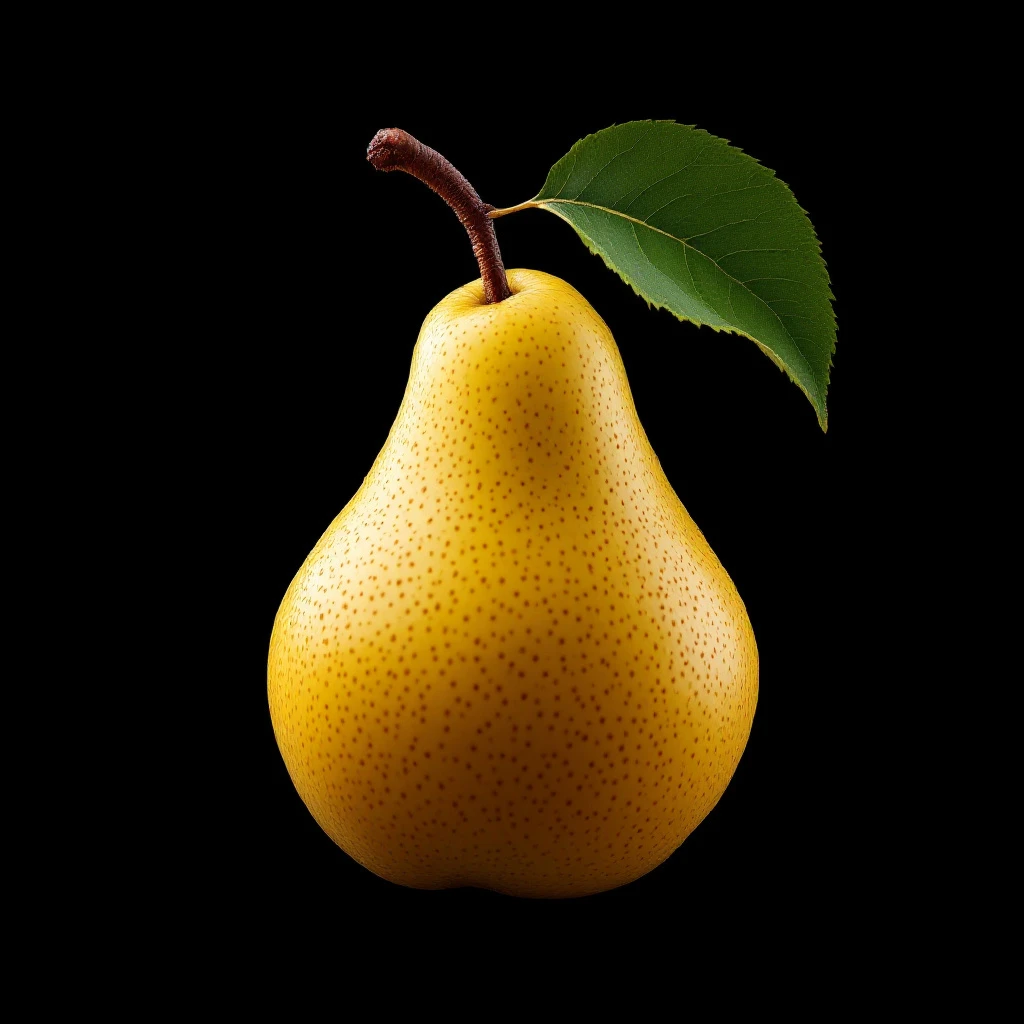
Yellow Pear opens with the crisp, juicy essence of a pear at perfect ripeness. Its bright sweetness carries a green undertone that feels both refreshing and inviting.
Character
How it smells
Crisp, juicy sweetness with a fresh green heart.
Pear Aldehyde, the compound that creates the pear note, occurs naturally in apricots, strawberries, and tea leaves.



Origin
China
Pears rank among humanity's earliest cultivated fruits, with evidence of pear trees growing in China over 4,000 years ago. Ancient Chinese texts describe pear orchards as treasured elements of imperial gardens. The fruit spread westward along trade routes, reaching the Mediterranean by way of Persia and the Roman Empire.
Roman authors wrote extensively about pear varieties, indicating sophisticated selective breeding even then. Medieval monasteries across Europe preserved and developed pear cultivars, considering the fruit both medicinal and delicious. By the 18th century, European breeders had created hundreds of varieties.
Yet despite millennia of cultivation, perfumers only gained access to the pear scent in the 20th century. Since the fresh fruit yields minimal aromatic oil, traditional perfumers worked with pear blossom absolute or simply accepted the fruit's absence from their palettes. Only after synthetic chemistry advanced did Pear Aldehyde become widely available, finally allowing perfumers to bottle that distinctive juicy, green sweetness their customers had long craved.
Wears it best
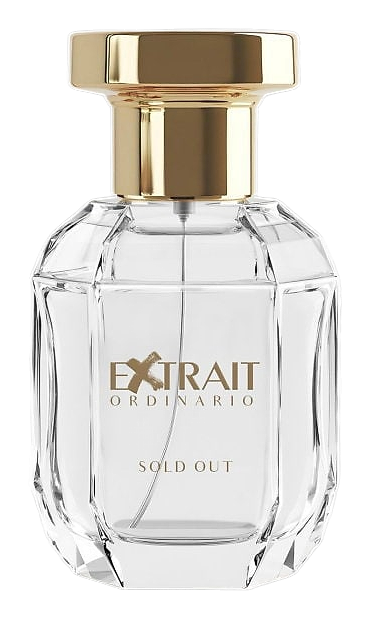
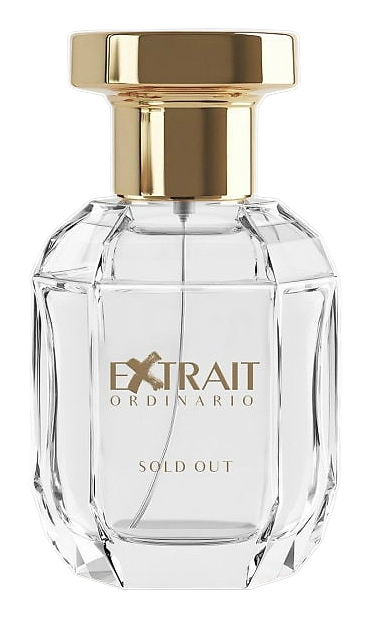
Fragrances featuring Yellow Pear
Brands
Brands known for Yellow Pear
Good to know
Questions, answered
The essentials on Yellow Pear in perfumery: how it smells, where it comes from, and how it behaves on skin.
What exactly is the Yellow Pear fragrance note?
Yellow Pear is a synthetic aroma material that replicates the scent of eating a fully ripe pear, combining sweetness with a crisp, refreshing green quality.
Does Yellow Pear smell like a real pear?
The note recreates that initial impression of biting into a ripe pear, prioritizing the juicy sweetness and green-fresh sensation rather than raw fruit scent.
Why do perfumers use synthetic pear instead of natural?
Fresh pears yield almost no extractable aromatic oil, and the natural scent degrades quickly. Pear Aldehyde solved this problem by providing a stable, concentrated material.
What is Pear Aldehyde?
Pear Aldehyde (gamma-nonalactone) is the organic compound responsible for pear scent. Swiss chemist William P. Pomier synthesized it in 1936, giving perfumers reliable access to this note.
Where does this note appear in a fragrance pyramid?
Yellow Pear typically serves as a top note, providing an immediate burst of freshness and sweetness that draws you into the fragrance composition.
What fragrance families commonly use Yellow Pear?
The note appears frequently in fruity florals, fresh chypres with green facets, and modern aquatic compositions seeking a natural fruit character.
How does Yellow Pear interact with other ingredients?
Its sweet yet refreshing nature pairs well with citrus top notes that brighten it further or with warmer woods and musks that deepen its impression.
Is there a natural alternative to synthetic pear scent?
Pear blossom absolute exists as a niche natural material, though it captures floral rather than fruity qualities. Natural pear absolute requires expensive enfleurage methods that limit its availability and use.